Simple Digital Marketing Learning Guide
Many people find digital marketing learning a bit tricky at first. It feels like there’s so much to know. New tools and ideas pop up all the time.
This can make starting out feel overwhelming. But it doesn’t have to be that way. This guide breaks down digital marketing learning into easy steps.
You’ll see how simple it can be to get started.
Key Takeaways
- You will learn the basic types of digital marketing.
- This post explains common terms in simple language.
- You will discover how to pick the right online channels.
- Tips for creating effective online content are covered.
- You’ll understand how to measure what works.
- This guide helps you start your digital marketing learning path.
What Is Digital Marketing Learning
Digital marketing learning is all about figuring out how to promote products or services online. It includes many different ways to reach people through the internet. Think about ads you see on websites, emails you get from brands, or social media posts.
All of these are part of digital marketing. The goal is to connect with customers where they spend their time online.
This field is always changing. New platforms and trends appear quickly. Keeping up can seem like a lot.
But at its heart, it’s about smart communication. It’s about getting the right message to the right person at the right time using online tools. Our guide makes this digital marketing learning process much easier.
Why It Matters
In today’s world, most people use the internet to find things. They look for information, shop, and connect with others online. Businesses need to be there too.
Digital marketing helps businesses get noticed by potential customers. It allows them to build relationships and sell their goods or services.
Without online promotion, many businesses would struggle to reach a wide audience. They might only reach people in their local area. Digital marketing opens up a global market.
It helps even small businesses compete with larger ones by using smart online strategies.
Types Of Digital Marketing
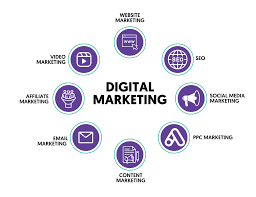
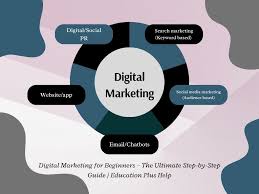
There are several main types of digital marketing. Each one uses different tools and methods to achieve its goals. Learning about these will help you understand the whole picture.
Search Engine Optimization SEO
SEO is about making your website show up higher in search results on sites like Google. When people search for something, you want your business to be one of the first things they see. This is done by using certain words, making your website easy to use, and having good content.
- Keyword Research: Finding the words people type into search engines when looking for what you offer. Using these words on your website helps search engines understand what it’s about.
- On-Page Optimization: Making changes directly on your website pages. This includes things like using keywords in titles, headings, and the main text. It also means making sure your images are labeled correctly.
- Off-Page Optimization: This involves getting other websites to link to yours. Think of it as votes of confidence. The more good websites link to you, the more important search engines think your site is.
Content Marketing
Content marketing is about creating and sharing helpful, interesting, or entertaining material. This material can be blog posts, videos, infographics, or podcasts. The idea is to attract and keep a clear audience.
You do this by giving them value without directly selling.
- Blogging: Writing regular articles on topics related to your business. This draws people in who are looking for answers or information.
- Video Creation: Making videos that explain your products, share tips, or tell stories. Videos are very engaging and can be shared easily.
- Infographics: Presenting data or information in a visually appealing way. These are easy to share and understand quickly.
Social Media Marketing
This uses social media platforms like Facebook, Instagram, and Twitter. Businesses use these to connect with customers, share updates, and run ads. It’s a great way to build a community and get direct feedback.
- Platform Choice: Deciding which social media sites are best for your business. Different platforms are popular with different age groups and interests.
- Engagement: Talking with your followers, answering their questions, and responding to comments. This builds loyalty.
- Paid Social Ads: Running ads on social media that can be shown to very specific groups of people based on their interests and behaviors.
Email Marketing
Email marketing involves sending promotional messages to a list of people who have signed up to hear from you. It’s a direct way to communicate with interested customers. You can send newsletters, special offers, or important updates.
- Building a List: Encouraging people to give you their email address. This is often done by offering a freebie, like a discount or a helpful guide.
- Segmentation: Dividing your email list into smaller groups. This lets you send more relevant messages to each group.
- Automation: Setting up emails to be sent automatically at certain times or after someone takes a specific action, like making a purchase.
Paid Advertising PPC
Pay-Per-Click, or PPC, is a type of advertising where you pay a fee each time someone clicks on your ad. Search engine ads are a common example. You bid on keywords, and when someone searches for those keywords, your ad might appear.
- Keyword Bidding: Deciding how much you are willing to pay for a click on your ad. Higher bids often mean your ad shows up more often.
- Ad Copywriting: Writing compelling ad text that makes people want to click. It needs to be clear and highlight what you offer.
- Landing Pages: The page people go to after they click your ad. This page should be relevant to the ad and encourage them to take the next step, like buying something.
Getting Started With Digital Marketing Learning
Starting your digital marketing learning journey might seem tough with so many options. But focusing on a few key areas first makes it manageable. Think about what your business or project needs most.
Do you need more people to find your website? Or do you want to build a stronger connection with people who already know you?
The key is to not try to do everything at once. Pick one or two areas that seem most important. Learn about them well.
Once you feel comfortable, you can add more. This step-by-step approach makes the whole process less scary and more effective.
Setting Your Goals
Before you start any digital marketing, you need to know what you want to achieve. Clear goals help you choose the right methods and measure your success. Are you trying to sell more products?
Get more people to visit your store? Or maybe get more people to sign up for your service?
- Be Specific: Instead of “get more customers,” try “increase online sales by 10% in the next three months.”
- Make Them Measurable: You need a way to track if you are reaching your goals. Numbers and data are important here.
- Be Achievable: Set goals that are realistic given your resources and time.
- Be Relevant: Make sure your goals align with your overall business objectives.
- Be Time-Bound: Give yourself a deadline for achieving each goal.
Knowing Your Audience
Who are you trying to reach? Knowing your ideal customer is super important. What do they like?
Where do they hang out online? What problems do they need solved? The better you know them, the better you can create messages that connect with them.
- Demographics: This includes age, gender, location, income, and education.
- Psychographics: This covers their interests, hobbies, values, and lifestyle.
- Online Behavior: What websites do they visit? What social media do they use? What are they searching for online?
Imagine you sell handmade dog toys. Your audience might be young families who love their pets and are active on Instagram. They care about natural products and sustainable living.
Knowing this helps you decide to focus on Instagram content and blog posts about eco-friendly pet care.
Choosing The Right Channels
You don’t have to be on every platform. Choose the ones where your audience spends their time. If your customers are older, Facebook might be better than TikTok.
If you sell visually appealing products, Instagram and Pinterest are great.
- Consider your audience: Where do they look for information or entertainment?
- Match channels to your goals: Some channels are better for brand awareness, others for direct sales.
- Look at your resources: Can you create good content for video or just written posts?
For example, a B2B company selling software might find LinkedIn and industry-specific forums more effective than a platform like TikTok. They need to reach professionals with targeted content about business solutions. A local bakery might focus on Facebook and Instagram to show off their daily specials and connect with nearby customers.
Creating Compelling Content
Once you know your audience and channels, you can create content that speaks to them. It should be valuable, interesting, and encourage them to take action. This might be visiting your website, signing up for a newsletter, or making a purchase.
- Be Useful: Offer tips, answer questions, or solve problems for your audience.
- Be Engaging: Use visuals, tell stories, and ask questions to keep people interested.
- Be Clear: Make sure your message is easy to understand. Avoid jargon.
- Have a Call to Action: Tell people what you want them to do next, like “Learn More” or “Shop Now.”
A clothing store could share “how-to-style” videos on TikTok showing different ways to wear their new jackets. They might also write blog posts about upcoming fashion trends. These pieces of content serve different purposes but all aim to draw customers in and encourage shopping.
Measuring Your Success
Digital marketing learning is also about learning what works and what doesn’t. You need to track your results to see if your efforts are paying off. This helps you improve your strategies and use your time and money wisely.
It’s like checking your map to make sure you’re going the right way.
There are many free and paid tools that can help you. Looking at this data allows you to make smart decisions. You can see which ads are getting clicks, which blog posts people are reading, and where your website visitors are coming from.
This feedback loop is what makes digital marketing effective over time.
Key Performance Indicators KPIs
KPIs are specific metrics that show how well you are doing against your goals. Different goals will have different KPIs. For example, if your goal is to increase website traffic, a key KPI would be the number of website visitors.
- Website Traffic: The total number of visits to your website.
- Conversion Rate: The percentage of visitors who complete a desired action, like making a purchase or filling out a form.
- Engagement Rate: How much people interact with your content on social media, such as likes, comments, and shares.
- Return on Investment ROI: How much profit you make compared to how much you spend on marketing.
For a business running Facebook ads to sell a product, a KPI might be the conversion rate of those ads. If 100 people click the ad and 5 people buy the product, the conversion rate is 5%. They can then compare this to other ads or previous campaigns to see if it’s good.
Tools for Tracking
There are many tools available to help you track your digital marketing performance. Some are free, while others require a subscription. Learning to use these tools is a big part of digital marketing learning.
- Google Analytics: This is a powerful, free tool that shows you detailed information about your website visitors. You can see where they come from, what pages they visit, and how long they stay.
- Social Media Insights: Most social media platforms have built-in analytics that show you how your posts are performing. This includes reach, engagement, and follower growth.
- Email Marketing Software Reports: Platforms like Mailchimp or Constant Contact provide reports on open rates, click-through rates, and unsubscribes for your email campaigns.
- Ad Platform Dashboards: Google Ads and Facebook Ads Manager provide detailed reports on ad performance, including clicks, impressions, cost, and conversions.
Google Analytics is a must-have for any website owner. It tells you if your SEO efforts are bringing people to your site. It also shows you which pages are most popular and where visitors drop off, helping you improve your website’s user experience.
Analyzing Results
Just collecting data isn’t enough. You need to look at it closely to understand what it means. What trends do you see?
What is working well? What needs to be changed?
- Look for Patterns: Do certain types of content always get more shares? Do ads run at specific times perform better?
- Compare Performance: How does this month’s performance compare to last month? How do different campaigns compare to each other?
- Identify Opportunities: Are there channels or strategies that are underperforming but could be improved with adjustments?
Let’s say you check your social media insights and notice that posts with short videos get 50% more engagement than static images. This is a clear signal. You should create more short videos.
This kind of analysis helps you make better decisions for your digital marketing learning and your business.
Making Adjustments
Based on your analysis, you’ll need to make changes. Digital marketing is not a set-it-and-forget-it thing. It requires ongoing optimization.
If an ad isn’t performing, pause it or change the creative. If a blog post isn’t getting many readers, try promoting it more or updating its content.
- A/B Testing: Trying two versions of something (like an ad or an email subject line) to see which one performs better.
- Budget Reallocation: Moving money from campaigns that aren’t working to ones that are delivering good results.
- Content Strategy Tweaks: Changing the topics or formats of your content based on audience response.
A company might find that their blog posts about “how-to” topics are very popular. They can then decide to create more content in this style. They might even turn a popular blog post into a short video or an infographic to reach a wider audience.
This constant refinement is vital for successful digital marketing.
Common Myths Debunked
Myth 1: Digital marketing is too expensive for small businesses
This is not true. Many digital marketing strategies are very cost-effective. Social media marketing, content marketing, and basic SEO can be done with minimal budgets.
Paid advertising platforms like Google Ads and Facebook Ads allow you to set daily budgets, so you only spend what you can afford. You can start with a small amount and scale up as you see results.
Myth 2: You need to be a tech expert to do digital marketing
While some aspects involve technical skills, many digital marketing tasks are manageable with basic computer knowledge. Many user-friendly tools and platforms exist to help you. For example, website builders and social media schedulers are designed for ease of use.
Learning digital marketing is about understanding concepts and strategies, not necessarily coding.
Myth 3: Digital marketing is just about selling
While sales are often the ultimate goal, digital marketing is also about building relationships and providing value. Content marketing, social media engagement, and email newsletters focus on educating and entertaining your audience. This builds trust and loyalty, which can lead to sales over time, rather than aggressive selling.
Myth 4: SEO is only for big companies with large budgets
SEO is highly accessible for businesses of all sizes. Basic SEO practices, like using relevant keywords, having clear website navigation, and creating quality content, can be implemented by anyone. Many free tools are available to help with keyword research and website analysis.
Small businesses can often outrank larger competitors with a well-thought-out, niche-focused SEO strategy.
Frequently Asked Questions
Question: What is the first step in digital marketing learning
Answer: The first step is to clearly define your goals. What do you want to achieve with your online efforts.
Question: How long does it take to see results from digital marketing
Answer: Results can vary greatly depending on the strategy. Some paid ads can show results quickly, while SEO and content marketing may take months to gain traction.
Question: Is it better to focus on one digital marketing channel or several
Answer: It’s often best to start by focusing on one or two channels that are most relevant to your audience and goals. Once you master those, you can expand to others.
Question: How do I know if my digital marketing is working
Answer: You measure its success by tracking key performance indicators KPIs like website traffic, conversion rates, and engagement metrics using tools like Google Analytics.
Question: Can I learn digital marketing on my own
Answer: Yes, absolutely. There are many online courses, tutorials, blogs, and resources available that allow you to learn at your own pace.
Summary
Digital marketing learning is a practical skill. You can start by setting clear goals and knowing your audience. Choose channels that fit.
Create helpful content and track your results. Make changes based on what you learn. This process helps you grow your business effectively online.