Understanding Digital Marketing Manager Salary
Figuring out what a digital marketing manager salary looks like can be a bit tricky, especially if you’re just starting out. There are many things that affect how much someone earns in this job. It’s not always a clear-cut answer. But don’t worry! We’re here to make it simple and easy to follow. We’ll walk you through everything you need to know step by step. Get ready to learn all about the pay for this exciting career.
Key Takeaways
- Digital marketing manager salaries vary based on experience and location.
- Education and certifications play a role in earning potential.
- Company size and industry significantly impact salary offers.
- Specific job duties can influence the compensation package.
- Negotiation skills are important for securing a good salary.
What Influences Digital Marketing Manager Salary
The amount of money a digital marketing manager makes is not set in stone. Many different factors come into play. Think of it like building with blocks; each block adds to the final picture. Experience is a big block. Someone who has managed campaigns for years will likely earn more than someone new to the role. Location is another important block. A manager in a big city like New York or San Francisco might earn more than someone in a smaller town because the cost of living is higher and there’s more demand for these skills.
Beyond experience and where you live, the company itself matters a lot. A huge corporation with millions in revenue will probably offer a different salary than a small startup just getting its feet wet. The industry also plays a part. Tech companies might pay more for digital marketing managers than, say, a local bakery, because the stakes and potential returns are higher.
Experience Levels and Earning Potential
When we talk about experience, we mean how long you’ve been doing the job and what you’ve achieved. Entry-level digital marketing roles might not even be called “manager” yet, and their pay will reflect that. As you move up, you gain skills and a track record of success. This is what employers are really paying for.
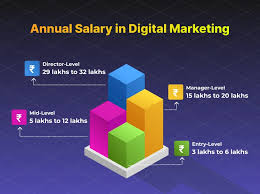
A junior digital marketing manager, perhaps with 1-3 years of experience, might earn a salary in the range of $50,000 to $70,000 per year. This is often a starting point where they are learning the ropes and executing strategies. They are supervised closely by more senior team members.
A mid-level digital marketing manager, typically with 3-7 years of experience, will see a significant jump. Their salary could be anywhere from $70,000 to $100,000. At this stage, they are expected to lead smaller teams, manage larger budgets, and develop their own strategic plans. They are also often responsible for reporting results to upper management.
Senior digital marketing managers, with 7+ years of experience and a proven history of success, can command salaries from $100,000 to $150,000 or even higher. These individuals are leaders who shape the overall digital strategy for a company, mentor junior staff, and have a direct impact on the business’s bottom line. They might oversee multiple departments or very large teams.
Geographic Location and Its Impact
Where you work has a major effect on your paycheck. Cities with a high cost of living, like those on the West Coast or in major financial hubs, tend to offer higher salaries to compensate for everyday expenses. This is often referred to as the cost of living adjustment.
For example, a digital marketing manager salary in San Francisco might average around $120,000, while the same role in a city with a lower cost of living, like Omaha, Nebraska, might be closer to $85,000. This doesn’t mean the job is “better” in San Francisco; it just means the compensation is adjusted for the local economic conditions.
Demand for digital marketing professionals also varies by region. Areas with a strong presence of tech companies or large advertising agencies will likely see higher salaries due to the competitive market.
Company Size and Industry Differences
A small local business will have different salary ranges than a Fortune 500 company. Larger companies usually have bigger marketing budgets and can afford to pay more. They also tend to have more structured salary bands.
A startup might offer a lower base salary but compensate with stock options or other benefits. This can be attractive to individuals who believe in the company’s potential and are willing to take on a bit more risk for a potentially larger reward down the line.
The industry itself also shapes compensation. For instance, highly competitive sectors like e-commerce, technology, and finance often pay top dollar for skilled digital marketing managers. This is because effective digital marketing can directly lead to substantial revenue growth in these areas. A B2B software company might have different salary expectations than a non-profit organization.
Education and Skill Development
Having the right education and a strong set of skills is foundational for a good digital marketing manager salary. While formal education is helpful, it’s not the only path to a well-paying job in this field. Continuous learning and staying updated with the latest digital trends are key.
A bachelor’s degree in marketing, business, communications, or a related field is often the starting point. This provides a general understanding of marketing principles. However, many successful digital marketing managers have degrees in other areas and have built their expertise through experience and specialized training.
Beyond a degree, practical skills are what employers truly value. This includes proficiency in areas like search engine optimization (SEO), pay-per-click (PPC) advertising, social media marketing, content marketing, email marketing, analytics, and marketing automation tools.
The Role of Formal Education
A college degree can open doors, especially for entry-level positions. It shows a commitment to learning and a foundational knowledge base. Many companies look for candidates with a bachelor’s degree as a baseline requirement.
However, the digital marketing landscape changes so rapidly that a degree alone might not be enough. Employers often look for candidates who have supplemented their education with practical experience and ongoing learning.
Some universities now offer specialized degrees in digital marketing, which can be very beneficial. These programs are designed to equip students with the specific skills needed for the modern marketing world.
Certifications and Online Courses
In addition to degrees, certifications from reputable platforms can significantly boost your resume and earning potential. Google offers certifications in Google Ads and Analytics, which are highly recognized. HubSpot provides certifications in inbound marketing, content marketing, and more. These demonstrate a practical understanding of key tools and strategies.
Online courses from platforms like Coursera, Udemy, and edX also offer valuable knowledge and skills. Completing courses on specific topics like advanced SEO or social media advertising can make you a more attractive candidate. These courses often focus on the practical application of concepts.
The cost of these certifications and courses is usually much lower than a traditional degree, making them an accessible way to upskill. Employers often see these as proof that a candidate can stay current with industry advancements.
Essential Digital Marketing Skills
To command a higher digital marketing manager salary, you need a broad and deep skill set. This includes analytical skills to interpret data from campaigns. You need to understand how to use tools like Google Analytics to measure performance and make informed decisions.
Strategic thinking is also vital. This involves developing comprehensive digital marketing plans that align with business goals. It means understanding the customer journey and how to engage with audiences at every touchpoint.
Technical skills are also important. This could include basic knowledge of HTML/CSS for website optimization, understanding of SEO principles for search engine visibility, and expertise in setting up and managing paid advertising campaigns on platforms like Google Ads and Facebook Ads. Proficiency in marketing automation software, like Markelo or HubSpot, is also highly valued.
Understanding Salary Components and Benefits
When you discuss digital marketing manager salary, it’s not just about the base pay. There are often other components to the compensation package. These can add significant value and affect the overall attractiveness of a job offer. Understanding these components helps you negotiate effectively.
Benefits can include health insurance, retirement plans, and paid time off. These are standard in many professional roles and contribute to your overall financial well-being and work-life balance.
Performance bonuses are another common element. These are usually tied to achieving specific company or campaign goals. If you exceed expectations, you could earn extra money. This incentivizes you to perform at your best.
Base Salary and Its Determinants
The base salary is the fixed amount you receive regularly, usually on a bi-weekly or monthly basis. This is the most straightforward part of your compensation. As we’ve discussed, it’s primarily determined by your experience level, location, company size, and industry.
For example, a company in a highly competitive market might offer a higher base salary to attract top talent. They know that if they don’t offer competitive pay, candidates will go to competitors.
Conversely, a company in a less competitive or slower-growing industry might offer a lower base salary, but perhaps make up for it with other benefits. It’s important to research the typical base salaries for similar roles in your target locations and industries. Websites like Glassdoor, LinkedIn Salary, and Salary.com can provide valuable data.
Bonuses and Performance Incentives
Performance bonuses can be a significant part of a digital marketing manager’s total compensation. These are often awarded when individual, team, or company goals are met or exceeded. For example, if a campaign you managed increased website leads by 20%, you might receive a bonus.
These incentives are designed to motivate employees and align their efforts with the company’s objectives. They can also provide a substantial financial boost beyond the regular paycheck. It’s important to clarify how these bonuses are calculated and what the typical payout has been in the past.
Understanding the criteria for bonuses is crucial. Are they tied to specific metrics like sales revenue, customer acquisition cost, or website traffic? Knowing this helps you focus your efforts on the most impactful activities.
Additional Benefits and Perks
Beyond salary and bonuses, a range of other benefits can contribute to the overall value of a job offer. Health, dental, and vision insurance are common. Retirement savings plans, like a 401(k) with employer matching, can significantly help your long-term financial security.
Other perks might include paid time off for vacation and sick days, parental leave, professional development budgets (for courses and conferences), and flexible work arrangements (like remote work options). Some companies also offer wellness programs, gym memberships, or commuter benefits.
These perks, while not directly cash, contribute to your quality of life and can save you money. A comprehensive benefits package can sometimes outweigh a slightly higher base salary at another company. When evaluating a job offer, consider the total compensation package, not just the base salary.
Negotiating Your Digital Marketing Manager Salary
Once you’ve landed an interview and the topic of salary comes up, negotiation is often possible. Don’t be afraid to discuss your worth. Employers expect some negotiation, especially for experienced candidates.
Preparation is key. Know what the average digital marketing manager salary is for your experience level, location, and industry. Use resources like salary websites and talk to people in the field.
When discussing salary, it’s often best to wait until the employer brings it up or makes an offer. If asked about your salary expectations early on, you can try to defer the question by saying you’re more focused on finding the right fit. If pressed, provide a range based on your research.
Researching Salary Benchmarks
Before any negotiation, thorough research is essential. Websites like Glassdoor, LinkedIn Salary, Indeed, and Salary.com provide salary data based on millions of job postings and reported salaries. Look for data specific to your role, experience level, and geographic area.
Consider the source of the data. Salaries reported by anonymous users can be a good indicator, but also look for data from actual job postings or surveys conducted by reputable organizations.
Understanding these benchmarks helps you set realistic expectations and gives you confidence when discussing your salary. It also helps you identify if a company’s offer is significantly below market rate.
Making Your Case Effectively
When it’s time to negotiate, focus on your value. Instead of just stating a desired number, explain why you are worth that amount. Highlight your accomplishments, your unique skills, and how you can contribute to the company’s success.
For example, you could say, “Based on my research for a Digital Marketing Manager role with my 5 years of experience in in , the average salary range is $90,000 to $110,000. In my previous role, I increased website traffic by 30% through an integrated SEO and content plan, which directly led to a 15% increase in qualified leads.”
Presenting specific examples of your past successes makes your case much stronger than simply asking for more money. Frame your request around the value you bring to the employer.
Considering the Total Compensation Package
Remember that salary is just one part of the picture. If an employer can’t meet your desired base salary, explore other areas of compensation. This could include negotiating for a higher signing bonus, more vacation days, professional development opportunities, or a flexible work schedule.
If the base salary is lower than you hoped, but the benefits package is outstanding (e.g., excellent health insurance, generous retirement matching, substantial performance bonuses), the overall offer might still be very competitive.
The goal is to reach a compensation package that you feel is fair and reflects your skills and experience. Be prepared to walk away if the offer doesn’t meet your minimum requirements, but also be open to creative solutions that might make the overall package more attractive.
Common Myths Debunked
Frequently Asked Questions
Question: Is a degree in marketing always required for a digital marketing manager salary?
Answer: No, while a marketing degree is common, many successful digital marketing managers have degrees in other fields or have built their expertise through experience and certifications.
Question: Does location truly impact digital marketing manager salary that much?
Answer: Yes, major cities with a high cost of living and strong demand often offer higher salaries to compensate for those factors.
Question: Are performance bonuses common for digital marketing managers?
Answer: Yes, performance bonuses are frequently offered as incentives tied to meeting or exceeding campaign or company goals.
Question: Can I negotiate my salary if I have less than 5 years of experience?
Answer: Yes, negotiation is possible at most experience levels. Focus on your skills, achievements, and the value you can bring.
Question: What is the most important skill for a digital marketing manager?
Answer: While many skills are important, analytical skills, strategic thinking, and proficiency in key digital marketing tools are often highly valued.
Conclusion
Understanding the digital marketing manager salary involves looking at experience, location, and company factors. Your education, skills, and how well you negotiate also play a big part. Focus on building your expertise and showcasing your achievements. This will help you secure a salary that matches your value.

Related Posts
Digital Marketing Minneapolis Taichetan LLC Explained

Simple Digital Marketing Learning Guide