Understanding Digital Marketing Modules Made Simple
Many people find digital marketing tough at first. There are so many parts to learn. It can feel like a lot when you start.
But don’t worry, we will break down digital marketing modules step by step. This guide makes it easy. Get ready to learn what you need to know without the fuss.
We will cover the basics so you can feel confident.
Key Takeaways
- Learn what digital marketing modules cover.
- Discover why they are important for businesses.
- Understand how to choose the right modules for your needs.
- See examples of successful digital marketing campaigns.
- Get practical tips for implementing what you learn.
What Are Digital Marketing Modules
Digital marketing modules are like building blocks for learning online promotion. They break down the big world of digital marketing into smaller, easier parts. Think of them as courses or lessons.
Each module focuses on a specific area, like social media, search engines, or email. This makes learning manageable. You can learn about one thing at a time.
This is very helpful when you are just starting out. It stops you from feeling overwhelmed. Each module aims to teach you practical skills you can use right away.
Defining Digital Marketing Modules
Digital marketing modules are educational units. They cover different parts of promoting things online. These can be online courses, video lessons, or even reading materials.
They are designed to teach specific skills. For example, one module might teach you how to use Facebook ads. Another might show you how to write good website content.
The goal is to give you knowledge and abilities. You can then apply this knowledge to help businesses grow online. They are a structured way to learn a complex subject.
Core Components Of Digital Marketing
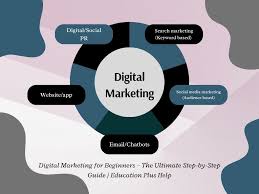
Digital marketing has many important parts. Search engine optimization (SEO) helps websites get found on Google. Social media marketing uses platforms like Instagram and Twitter.
Content marketing creates useful articles and videos. Email marketing sends messages to customers. Paid advertising, like Google Ads, helps reach more people fast.
Analytics tracks what works and what doesn’t. Each of these is a major area of study in itself. Understanding them helps you create a full online plan.
They all work together.
Why Learn Through Modules
Learning through modules is great because it is flexible. You can learn at your own pace. You can also focus on what you need most.
If you already know social media, you can skip that module. You can focus on SEO instead. This saves time and effort.
It also makes learning more effective. You get to practice what you learn. Many modules include exercises.
This helps you apply new knowledge. It is a very practical way to gain skills.
Benefits Of Studying Digital Marketing Modules
Learning about digital marketing through modules offers many advantages. It equips you with skills needed in today’s job market. Businesses constantly need people who know how to promote them online.
Completing these modules can boost your career. You can get better jobs or even start your own business. It also helps you understand how companies reach customers.
This knowledge is valuable for anyone. You can also measure success. Modules often teach you how to track results.
This shows you what is working.
Career Advancement Opportunities
The digital marketing field is growing fast. Many companies need skilled professionals. Taking digital marketing modules can make you more attractive to employers.
You can learn skills for roles like social media manager, SEO specialist, or digital marketing coordinator. These jobs often pay well. They also offer chances to grow.
If you are looking to change careers, these modules are a good start. They provide the necessary training. You can even get certificates.
Business Growth And Reach
For business owners, digital marketing modules are essential. They teach you how to find new customers online. You can learn to create websites that attract visitors.
You can also learn how to run ads that bring in sales. Even small businesses can compete with big ones using digital tools. Effective online promotion can lead to more sales.
It can also build brand loyalty. Customers feel more connected to brands they see often online. This leads to repeat business.
Modules give you the tools to achieve this.
Measuring Success And ROI
A big part of digital marketing is knowing if it works. Modules teach you about analytics. This means learning how to track website visits.
You can see where your visitors come from. You can also see what they do on your site. This helps you understand what marketing efforts are paying off.
Return on Investment (ROI) is key. It shows if you are making more money than you spend. Modules teach you how to calculate and improve ROI.
This is vital for any business.
Choosing The Right Digital Marketing Modules
With so many options, picking the right modules can be tricky. You need to think about what you want to achieve. Are you starting a business?
Do you want a new job? Your goals will help you decide. Look for modules that teach practical skills.
Also, consider the source of the modules. Are they from a reputable company or expert? Reading reviews can help.
Sometimes, free modules are a good way to start. You can try them out before investing in paid ones. Think about what you want to learn first.
Assessing Your Learning Goals
Before you look at any modules, ask yourself why you want to learn. Do you want to boost your own business? Or are you looking for a job in marketing?
If you want to work for a company, you might need broader skills. You might learn about SEO, social media, and ads. If you have a small shop, you might focus on local SEO and social media.
Knowing your aim helps you pick the right path. It makes your learning time useful.
Types Of Digital Marketing Specializations
Digital marketing is broad. You can specialize in many areas. Search Engine Optimization (SEO) is about getting websites higher in search results.
Social Media Marketing uses platforms like Facebook and Instagram. Pay-Per-Click (PPC) advertising involves paying for ads on search engines or social media. Content Marketing creates valuable articles and videos.
Email Marketing builds relationships with customers through email. Each of these can be a separate module or a series of modules.
Where To Find Quality Modules
Many places offer digital marketing training. Online learning platforms like Coursera, Udemy, and edX have many courses. Google offers free digital marketing courses through Google Digital Garage.
HubSpot also provides free training and certifications. Some marketing agencies and software companies offer their own modules. Look for courses that offer practical exercises and real-world examples.
Certifications from reputable sources can also be valuable.
Key Digital Marketing Module Topics Explained
Let’s explore some of the most important topics you’ll find in digital marketing modules. Each area plays a vital role in online success. Understanding these will give you a solid foundation.
We will explain what they mean and why they matter. Think of these as the main ingredients in a successful online campaign. Mastering them will help you achieve your goals.
Search Engine Optimization SEO
Search Engine Optimization (SEO) is the process of making your website more visible on search engines like Google. When people search for things, you want your website to appear at the top. This brings more visitors to your site.
SEO involves many things. It includes choosing the right words people search for. It also means making your website easy for search engines to read.
Technical SEO makes sure your site loads fast and works well on phones. Good SEO is like having a sign on a busy street.
There are two main types of SEO: on-page and off-page. On-page SEO involves optimizing the content on your website. This includes using keywords in your text, titles, and descriptions.
It also means having well-structured content with headings and images. Off-page SEO is about building your website’s authority. This is often done through backlinks, which are links from other websites to yours.
The more quality websites link to you, the more trustworthy your site seems to search engines. Google uses over 200 factors to rank websites.
Keyword Research
Keyword research is finding the words and phrases people type into search engines. These are the terms they use to look for products, services, or information. Choosing the right keywords is very important for SEO.
If you don’t target the words people are actually searching for, they won’t find you. Modules will teach you tools to find these keywords. You’ll learn to see how often people search for a word and how hard it is to rank for it.
- Understanding search intent: Knowing why someone is searching for a keyword. Are they looking to buy, learn, or find a local business?
- Tools for research: Using tools like Google Keyword Planner, SEMrush, or Ahrefs to find keyword ideas and data.
- Long-tail keywords: These are longer, more specific phrases (e.g., “best waterproof hiking boots for women”). They often have less competition and higher conversion rates.
Modules will show you how to analyze these keywords. You will learn to pick keywords that match what you offer. This helps attract the right visitors to your website.
These visitors are more likely to become customers. Good keyword research is the first step in any successful SEO strategy.
On-Page Optimization
On-page optimization means making changes directly on your website. This helps search engines understand your content better. It also improves the experience for visitors.
Think about the title of your page. It should include your main keyword. The description should tell people what the page is about.
Using headings (H1, H2, H3) breaks up your text. Images should have descriptive alt text. Internal linking connects your pages together.
This helps visitors and search engines find more content on your site.
Modules often cover best practices for content creation. They teach you how to write clearly and engagingly. They also explain how to naturally include keywords.
This is not about stuffing keywords everywhere. It is about making your content helpful and relevant. Good on-page SEO makes your content easy to read for both humans and search engine bots.
It tells search engines what your page is about.
Off-Page Optimization
Off-page optimization happens outside of your website. The main part of this is building backlinks. Backlinks are links from other websites to yours.
Search engines see these links as votes of confidence. The more high-quality backlinks you have, the more authority your website gains. This can improve your search rankings.
Modules will teach you ethical ways to get backlinks. This can include creating shareable content that others want to link to. Guest blogging on other sites is another method.
Participating in online communities can also lead to links.
Another aspect of off-page SEO is social signals. While not a direct ranking factor, shares and likes on social media can increase visibility. This can lead to more people seeing your content.
More exposure might result in more backlinks. It’s about building your brand’s reputation online. This helps search engines see your site as a trusted source.
Social Media Marketing
Social media marketing uses platforms like Facebook, Instagram, Twitter, and LinkedIn. It helps businesses connect with their audience. You can share updates, run ads, and build communities.
This is a very visual and interactive way to reach people. It is also a great place to get customer feedback. Many people spend a lot of time on social media.
Being there puts your brand in front of them.
Social media marketing is not just about posting. It is about creating engaging content. It is about understanding different platforms.
Each platform has its own audience and style. What works on Instagram might not work on LinkedIn. Modules will teach you how to create a strategy.
You will learn how to target specific groups of people. You will also learn how to measure your success on social media. This includes tracking likes, shares, comments, and website clicks.
Platform Selection
Choosing the right social media platform is key. You need to go where your audience spends their time. For example, if you sell fashion items, Instagram and Pinterest are good choices.
If you are a B2B service, LinkedIn might be better. If you want to share quick updates and news, Twitter is effective. Modules will help you analyze different demographics.
You will learn which age groups and interests use which platforms. This ensures your efforts are not wasted.
- Demographic analysis: Understanding who your target audience is and where they are online.
- Platform features: Learning what each platform offers for businesses, like advertising options or business pages.
- Content suitability: Matching your brand’s message and content style to the platform’s format and user behavior.
You don’t need to be on every platform. Focus on the ones that will give you the best results. Trying to manage too many can spread your resources too thin.
Modules will guide you on how to make this important choice.
Content Creation For Social Media
Content is king on social media. You need to create posts that grab attention. This includes images, videos, and well-written captions.
Modules will teach you how to tell a story. They will show you how to use hashtags effectively. They also cover the importance of consistency.
Posting regularly keeps your audience engaged. You will learn about different content formats. This includes short videos (Reels, TikToks), stories, and carousel posts.
Visual appeal is very important.
Engagement is another key aspect. You want people to interact with your posts. This means asking questions, running polls, and responding to comments.
Building a community around your brand is a major goal. Modules often provide examples of successful social media campaigns. You can learn from what others have done well.
Social Media Advertising
Paid social media advertising allows you to reach a much wider audience. You can target specific demographics, interests, and behaviors. This means your ads are shown to people who are most likely to be interested in your products or services.
Modules will teach you how to set up ad campaigns. You’ll learn about different ad formats. These can include image ads, video ads, and lead generation ads.
Setting a budget and bidding strategies are also covered.
Measuring the performance of your ads is crucial. You’ll learn to track metrics like clicks, impressions, and conversions. This helps you understand what is working.
You can then adjust your campaigns to improve results. Social media ads can be very effective when done correctly. They can drive traffic to your website or directly generate sales.
Content Marketing
Content marketing is about creating and sharing valuable, relevant content. The goal is to attract and keep a clearly defined audience. This content can be blog posts, articles, videos, infographics, podcasts, and more.
Instead of directly selling, you provide useful information. This builds trust and positions you as an expert. People are more likely to buy from someone they trust.
Think of it like this: instead of shouting “Buy my product!”, you’re saying “Here’s some helpful information related to your problem.” This attracts people who have that problem. Then, you can show them how your product or service can help. Content marketing is a long-term strategy.
It builds relationships over time. It is a powerful way to attract organic traffic.
Types Of Content
Modules will explore various content formats. Blog posts are great for sharing detailed information and improving SEO. Videos are highly engaging and can explain complex topics easily.
Infographics present data and information visually. Podcasts offer a way to share insights and interviews on the go. Ebooks and guides provide in-depth knowledge.
Case studies show how your product or service has helped others. Each type of content serves a different purpose and appeals to different preferences.
- Blog Posts: In-depth articles that answer questions, provide tips, and explore topics related to your industry. They are excellent for SEO and driving organic traffic.
- Videos: Highly engaging format for demonstrations, tutorials, interviews, and storytelling. Platforms like YouTube and TikTok are key.
- Infographics: Visual representations of data and information, making complex topics easy to understand and share.
- Podcasts: Audio content that allows for in-depth discussions and interviews, reaching audiences who prefer listening.
Understanding when to use each type of content is important. Modules will help you plan your content calendar. This ensures a consistent flow of valuable information for your audience.
A well-rounded content strategy uses a mix of these formats.
Content Strategy And Planning
A content strategy is your roadmap for creating and distributing content. It starts with defining your audience. What are their problems?
What do they want to know? Then, you set goals. What do you want your content to achieve?
Modules will teach you how to research topics. You will learn to create a content calendar. This ensures you have a steady stream of new material.
Planning also includes how you will promote your content.
This involves deciding where to share your content. Will you post it on your blog? Will you share it on social media?
Will you send it out in an email newsletter? A good strategy makes sure your content reaches the right people. It also helps you repurpose content.
For example, a blog post can be turned into social media snippets or a video script.
Content Distribution And Promotion
Creating great content is only half the battle. You need to make sure people see it. Content distribution is how you get your content in front of your audience.
This includes sharing on social media, email marketing, and paid promotion. Modules will teach you how to use different channels effectively. You will learn how to optimize your content for sharing.
This might involve creating shareable graphics or catchy headlines.
Promoting your content also means engaging with your audience. When people comment on your blog or social media posts, respond to them. This builds relationships.
It also encourages more sharing. You can also work with influencers. They can help share your content with their followers.
The goal is to get your valuable content seen by as many relevant people as possible.
Email Marketing
Email marketing is a powerful way to communicate directly with your customers. You can send newsletters, promotional offers, and updates. It is a very personal way to connect.
People check their email regularly. This makes it a reliable channel. Modules will teach you how to build an email list.
You will also learn how to write effective emails. The goal is to get people to open and read your messages.
Email marketing allows for segmentation. This means you can send different messages to different groups of people. For example, you can send special offers to loyal customers.
Or you can send welcome emails to new subscribers. This personalization makes your emails more relevant. It increases the chances of them taking action.
It is also cost-effective compared to other marketing methods.
Building An Email List
A strong email list is a valuable asset. Modules teach you how to get people to sign up. This can be done through website sign-up forms.
You can offer a freebie, like an ebook or discount, in exchange for an email address. Pop-ups on your website can also encourage sign-ups. Social media can also be used to promote your newsletter.
Make it clear what people will get when they subscribe. Be transparent about your email frequency.
- Website Opt-in Forms: Placing clear and attractive forms on your website, often in the footer or sidebar.
- Lead Magnets: Offering something valuable for free (e.g., a guide, checklist, discount code) in exchange for an email address.
- Landing Pages: Creating dedicated pages focused on encouraging sign-ups for your newsletter or a specific offer.
It is important to get permission before adding someone to your list. This is called consent. It helps comply with privacy laws and builds trust.
Crafting Effective Emails
The subject line of your email is crucial. It needs to be interesting enough to make someone open it. Modules will teach you how to write compelling subject lines.
They also cover how to structure the email itself. Keep paragraphs short and easy to read. Use clear calls to action.
This tells people exactly what you want them to do next, like “Shop Now” or “Learn More”.
Personalization is also key. Using a subscriber’s name can make the email feel more personal. Sending targeted messages based on their interests or past behavior can significantly improve engagement.
Good design also matters. Emails should be mobile-friendly, as most people read emails on their phones. Clear formatting and a professional look build credibility.
Email Automation And Segmentation
Email automation allows you to send emails automatically. For example, you can set up a welcome email series. This series can introduce new subscribers to your brand.
You can also automate follow-up emails after a purchase. Segmentation means dividing your email list into smaller groups. You can segment based on demographics, interests, or past interactions.
This allows you to send highly relevant messages.
For instance, if someone has purchased a specific product, you can send them related offers. If someone has not opened emails in a while, you might send a re-engagement campaign. This approach makes your email marketing much more effective.
It leads to higher open rates and click-through rates. It also reduces unsubscribes because the emails are more relevant.
Putting It All Together Digital Marketing Strategy
Digital marketing modules teach you individual skills. But the real power comes when you combine them into a strategy. A digital marketing strategy is a plan that uses various online channels.
It aims to achieve specific business goals. Think of it as a coordinated effort. Each channel supports the others.
For example, social media can drive traffic to your blog. Your blog content can encourage email sign-ups. Email can then promote your products.
Creating a successful strategy requires careful planning. You need to understand your audience. You need to know your competition.
You also need to set clear, measurable goals. Modules will help you understand how these pieces fit together. They will show you how to create a cohesive plan.
This plan helps you get the best results from your online marketing efforts.
Integrating Different Channels
The best digital marketing strategies use multiple channels. These channels should work together. For example, a blog post can be promoted on social media.
The social media post can link back to the blog. People who read the blog might then sign up for your email list. The email list can then be used to share new blog posts or special offers.
This creates a smooth customer journey. Each touchpoint reinforces the brand message.
Modules will often show case studies. These examples demonstrate how businesses have successfully integrated different channels. You can see how SEO, social media, and email marketing can be used in combination.
This synergy amplifies the impact of each individual tactic. It creates a more powerful overall marketing effort.
Setting Measurable Goals
What do you want to achieve with your digital marketing? Do you want to increase website traffic? Do you want more leads?
Do you want to boost sales? Your goals should be specific, measurable, achievable, relevant, and time-bound (SMART). Modules will teach you how to set these kinds of goals.
For example, “Increase website leads by 15% in the next quarter” is a SMART goal.
Once you have clear goals, you can track your progress. This is where analytics comes in. You can monitor website traffic, conversion rates, and sales figures.
This data tells you if your strategy is working. It also helps you identify areas for improvement. Without clear goals, it is hard to know if your marketing efforts are successful.
Setting goals gives direction to your work.
Analyzing And Adapting
The digital landscape is always changing. What works today might not work tomorrow. That is why analyzing your results is so important.
Modules will teach you how to use analytics tools. You can see which campaigns are performing well. You can also see which ones are not.
This data allows you to make informed decisions. You can then adapt your strategy.
For example, if you find that a certain type of social media post gets a lot of engagement, you can create more of that. If a particular ad campaign is not bringing in many sales, you can pause it or make changes. This constant cycle of analysis and adaptation is key to long-term success.
It ensures you are always improving your marketing efforts.
Common Myths Debunked
Myth 1 Digital marketing is only for big companies
Reality: This is not true at all. Digital marketing is incredibly accessible for small businesses. In fact, it often gives small businesses a way to compete with larger ones.
Online tools and platforms allow even a small shop to reach a global audience. Social media, search engines, and email are all very affordable. You can start with a small budget and grow as you see results.
Myth 2 You need to be a tech wizard to do digital marketing
Reality: While technology is involved, you don’t need to be a computer expert. Digital marketing modules are designed to teach the necessary skills. They break down complex topics into easy steps.
Many platforms are user-friendly. The focus is more on strategy and understanding your audience than on complex coding.
Myth 3 Digital marketing results are instant
Reality: Some aspects, like paid ads, can bring quick results. However, many effective digital marketing strategies, like SEO and content marketing, take time to build momentum. It is about building relationships and authority over time.
Patience and consistency are key for long-term success. Expecting overnight results can lead to disappointment.
Myth 4 SEO is a one-time task
Reality: SEO is an ongoing process. Search engines update their algorithms regularly. Competitors are also working on their own SEO.
You need to continuously monitor your rankings, update your content, and build new links. It requires regular attention to stay effective and maintain good search positions.
Frequently Asked Questions
Question: What is the main goal of digital marketing?
Answer: The main goal of digital marketing is to promote products or services online. It aims to attract new customers, engage existing ones, and drive business growth through various online channels.
Question: How long does it take to learn digital marketing?
Answer: Learning digital marketing is an ongoing process. You can gain a good understanding of the basics in a few weeks by completing several modules. However, mastering it and staying current takes continuous learning and practice.
Question: Can I learn digital marketing for free?
Answer: Yes, many free resources are available. Google Digital Garage, HubSpot Academy, and various YouTube channels offer excellent free courses and tutorials on digital marketing topics.
Question: Is digital marketing more effective than traditional marketing?
Answer: Digital marketing often offers better targeting, measurability, and return on investment compared to traditional marketing. However, the most effective approach often involves a combination of both.
Question: What is the difference between digital marketing and social media marketing?
Answer: Digital marketing is a broad term covering all online marketing efforts. Social media marketing is a specific part of digital marketing that focuses on using social media platforms to promote brands.
Wrap Up
You’ve learned that digital marketing modules offer clear paths to online success. They cover essential topics like SEO, social media, content, and email. By breaking down these areas, you can build practical skills.
Focus on your goals and choose modules that fit. Integrate these skills into a smart strategy. Keep learning and adapting to see great results.

Related Posts
Digital Marketing Minneapolis Taichetan LLC Explained
Simple Digital Marketing Learning Guide