Starting A Digital Marketing Agency Today
Many people think about starting a digital marketing agency because they see the need for businesses to be online. It can seem tough at first. Lots of details need attention.
But it does not have to be hard. This guide will show you a simple plan. We will break it down into easy steps so you can get started.
Key Takeaways
- You will learn the first few steps to begin your agency.
- We will explain how to find clients for your new business.
- You will discover how to set prices for your services.
- We will cover how to build a strong team as you grow.
- You will get tips on staying ahead in the digital marketing world.
Setting Up Your Digital Marketing Agency
Starting a digital marketing agency means creating a business that helps other companies improve their online presence. This can involve many things like making websites, running ads on social media, or improving search engine rankings. It’s a popular idea because businesses everywhere need to be found online.
However, knowing where to begin can be a big hurdle for newcomers. This section will guide you through the essential initial steps.
Choosing Your Niche
Deciding what kind of digital marketing you want to focus on first is super important. Think about what you are good at. Are you great at social media?
Do you love making websites look amazing? Or maybe you enjoy helping businesses get to the top of Google search results. Picking a specialty helps you become an expert.
It also makes it easier to find the right clients.
Imagine a small bakery that wants more local customers. They might need help with local SEO to show up when people search for “bakery near me.” If you are good at local SEO, you can offer this service. This is a clear need you can fill.
Legal and Business Basics
Before you start taking on clients, you need to set up your business legally. This means choosing a business name. You will also need to register your business with the government.
Think about what legal structure is best, like a sole proprietorship or an LLC. Getting these things done early makes your business official and trustworthy.
A business name should be memorable and relate to what you do. For example, “Bright Online Solutions” or “Local Growth Marketing.” Registering your business often involves filing paperwork with your state or country. This protects you and makes you a legitimate entity.
Developing Your Service Offerings
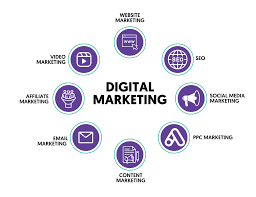
What exactly will you offer clients? List out the services you plan to provide. This could include search engine optimization (SEO), pay-per-click (PPC) advertising, social media management, content creation, website design, or email marketing.
Be clear about what each service entails.
For instance, under SEO, you might offer keyword research, on-page optimization, and link building. Under social media management, you could offer content scheduling, community engagement, and ad campaign management. Clearly defining your services makes it easier for clients to understand what they are buying.
Setting Up Your Workspace and Tools
You do not need a fancy office to start. A reliable computer and internet connection are essential. You will also need some basic software.
This might include project management tools to keep track of tasks. Communication tools like Slack are also very helpful. Graphic design tools like Canva can help create marketing materials.
Think about a project management tool like Trello or Asana. These allow you to create tasks, assign them, and set deadlines. This is great for keeping your work organized.
For communication, Zoom or Google Meet are useful for client calls.
Creating Your Brand Identity
Your brand is how people see your agency. This includes your logo, website, and how you talk to clients. A strong brand makes you look professional and memorable.
Your website should clearly show what you do and why clients should choose you.
A good logo is simple and professional. Your website needs to be easy to use and look good on all devices. The tone of your website content and emails should match your brand’s personality.
Are you friendly and approachable, or more corporate and serious?
Finding Your First Clients
Getting clients is a big part of starting a digital marketing agency. It can be challenging, but there are many ways to find businesses that need your help. Focus on building trust and showing them the value you can bring.
Networking and Referrals
Tell everyone you know that you are starting an agency. Friends, family, and former colleagues can be great sources of referrals. Attend local business events and online forums.
Building relationships is key. People are more likely to hire someone they know or who was recommended to them.
Imagine going to a local chamber of commerce meeting. You meet a business owner who says their website isn’t getting many visitors. This could be your first client.
A referral from a trusted friend is gold. It already comes with a level of trust.
Online Presence and Portfolio
Your own website is your agency’s storefront. It should showcase your services and your expertise. A portfolio is crucial.
It shows examples of your past work and the results you achieved. If you are just starting, you might create sample projects or offer services pro bono to a few businesses to build your portfolio.
For example, if you offer social media management, your portfolio should include posts you created, campaign results, and growth in followers or engagement. If you build websites, show screenshots of sites you’ve designed and mention any improvements in user experience or conversion rates.
Cold Outreach Strategies
You can reach out to businesses directly. This is called cold outreach. Research businesses that could benefit from your services.
Send them a personalized email or LinkedIn message. Highlight a specific problem you see they have and how you can fix it.
Let’s say you notice a local restaurant’s online menu is outdated and hard to read on a phone. You could email them. You could say something like, “I noticed your menu could be easier for mobile users.
My agency helps restaurants update their online presence to attract more diners.”
Content Marketing for Your Agency
Create valuable content that attracts potential clients. Write blog posts on digital marketing topics. Share tips on social media.
This shows your knowledge and helps businesses find you when they search for answers to their marketing questions.
If you write a blog post titled “5 Ways Small Businesses Can Improve Their Google Ranking,” it can attract business owners looking for that information. They might then check out your agency’s services.
Partnering with Other Businesses
Collaborate with businesses that offer complementary services. For example, a web designer could partner with an SEO specialist. A graphic designer could partner with a copywriter.
You can refer clients to each other. This expands your reach and client base.
If a web designer finishes a new website for a client, they might recommend an SEO expert to help drive traffic to it. This creates a win-win situation for both agencies and the client.
Pricing Your Digital Marketing Services
Figuring out how much to charge is a key step in starting a digital marketing agency. You want to set prices that are fair for your clients and profitable for you. There are a few common ways to do this.
Hourly Rates
This is when you charge a set amount for every hour you work. It’s straightforward. You track your time carefully.
This method works well when the scope of work is not perfectly defined yet. It allows flexibility.
For example, you might charge $75 per hour for consulting or content writing. If a client needs 10 hours of work, the total cost would be $750. It’s important to estimate how long tasks will take accurately.
Project-Based Pricing
Here, you set a fixed price for a specific project. Clients know the total cost upfront. This requires you to estimate the total hours and resources needed for the project accurately.
It offers cost certainty for the client.
A website design project might have a flat fee of $2,500. This fee covers all aspects of the design and development. It’s good for well-defined projects like building a basic website or running a specific ad campaign.
Retainer Agreements
A retainer means a client pays you a regular fee, usually monthly, for ongoing services. This provides predictable income for your agency. It also ensures consistent marketing support for the client.
This is common for services like SEO, social media management, and ongoing content creation.
A client might pay $1,000 per month for ongoing social media management. This fee covers posting, engagement, and reporting. This model is great for building long-term client relationships.
Value-Based Pricing
This method charges based on the perceived value and results delivered to the client, not just your time. If your services help a business make a lot more money, you can charge a higher fee. This requires a deep understanding of the client’s business and their goals.
For instance, if you can show that your ad campaign will likely generate $50,000 in new sales, you might charge $10,000 for your services. The client sees a great return on their investment.
Factors Affecting Your Pricing
Several things influence your prices. Your experience level matters. If you are new, your rates will likely be lower than an established agency.
The complexity of the service is also a factor. A simple social media post is less work than a full website redesign. Your operating costs, like software subscriptions and salaries, need to be covered.
The demand for your services can also affect your pricing.
Consider your target market. A small local business might have a tighter budget than a large corporation. Pricing needs to align with what your ideal clients can afford and what they perceive as valuable.
Building Your Digital Marketing Team
As your digital marketing agency grows, you will likely need help. Building a strong team is essential for scaling your business and delivering excellent service to clients. Start by identifying the skills you need most.
Hiring Freelancers
Freelancers are independent contractors. You can hire them for specific tasks or projects. This is a flexible way to add expertise without the commitment of full-time employees.
You can find freelancers for graphic design, copywriting, SEO, or web development.
Platforms like Upwork or Fiverr can connect you with talented freelancers. You might hire a freelance graphic designer to create social media graphics for a client. This saves you time and allows you to focus on strategy.
Bringing on Full-Time Staff
When your workload becomes consistent, hiring full-time employees makes sense. This provides stability and dedication. You can build a core team with complementary skills.
Start with roles that are critical to your core services.
You might hire a dedicated SEO specialist or a social media manager. These individuals become part of your company culture and have a vested interest in its success.
Defining Roles and Responsibilities
Clearly define what each team member is responsible for. This prevents confusion and ensures tasks are completed efficiently. Create job descriptions that outline duties and expectations.
This is important for both freelancers and employees.
A social media manager might be responsible for content creation, scheduling, community engagement, and performance reporting. A project manager would oversee client projects, timelines, and communication.
Fostering a Strong Company Culture
A positive work environment is vital. Encourage collaboration and open communication. Celebrate successes.
A good culture attracts and retains talent. It also improves team morale and productivity.
Organize team meetings, offer training, and provide opportunities for growth. When your team feels valued, they are more likely to go the extra mile for your clients.
Client Management and Communication
Your team needs to be skilled in client communication. This means setting expectations, providing regular updates, and handling feedback professionally. Good client relationships lead to repeat business and referrals.
Implement a system for client reporting. Ensure all team members understand how to communicate with clients effectively. This could involve using a CRM (Customer Relationship Management) tool.
Common Myths Debunked
Myth 1: You need a large budget to start
Many people believe you need a lot of money to start an agency. This is not true. You can begin with a laptop, internet, and a few essential software tools.
Many of these tools have free versions or affordable plans. Your main investment is your time and expertise.
Myth 2: Digital marketing is too technical for beginners
While digital marketing involves technical aspects, you do not need to be a programmer. Many platforms are user-friendly. Focus on learning the core strategies and tools that are designed for marketers.
Online courses and tutorials can teach you what you need to know.
Myth 3: You need to offer every single digital marketing service
Trying to do everything at once is a recipe for burnout and poor quality. It is much better to start with a few services you excel at. As you gain experience and clients, you can expand your offerings.
Specializing makes you an expert.
Myth 4: Clients will find you easily once you start
Finding clients takes active effort. You need to market your own agency. This involves networking, content creation, and direct outreach.
Simply having a website is not enough. You must go out and get the business.
Frequently Asked Questions
Question: How long does it take to become profitable?
Answer: Profitability varies. Some agencies become profitable within six months, while others may take a year or more. It depends on client acquisition, pricing, and managing expenses.
Question: What are the most in-demand digital marketing services?
Answer: Currently, SEO, content marketing, social media marketing, and paid advertising (like Google Ads and Facebook Ads) are highly sought after.
Question: Should I get certifications?
Answer: Certifications, like Google Ads or HubSpot certifications, can boost your credibility and knowledge, but they are not always required. Practical experience is often more valuable.
Question: How important is a strong online portfolio?
Answer: A strong portfolio is very important. It provides tangible proof of your skills and the results you can achieve for clients. It’s a key tool for winning new business.
Question: What is the best way to manage client expectations?
Answer: Set clear goals and timelines from the start. Communicate regularly about progress and any potential challenges. Be honest and transparent about what you can deliver.
Conclusion
Starting a digital marketing agency is achievable with a clear plan. Focus on your strengths, build a solid online presence, and actively seek clients. Proper pricing and smart team building will support your growth.
You have the tools to create a successful agency.