Digital Marketing How To Start Guide
Starting out in digital marketing can feel a bit overwhelming. You see all the options and wonder where to begin. It’s completely normal to feel this way when learning about digital marketing how to start.
So many people ask how to get going, and it’s easy to get lost in the details. This guide breaks it down into simple steps. We’ll show you exactly what to do, one piece at a time.
Get ready to learn the basics without the confusion.
Key Takeaways
- You will learn the fundamental steps to begin your digital marketing journey.
- Discover practical ways to identify your target audience.
- Understand different digital marketing channels and their uses.
- Learn how to create simple, effective marketing content.
- Find out how to measure your marketing success.
Understanding Digital Marketing Basics
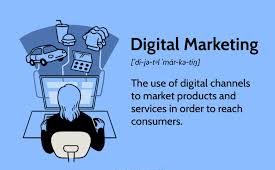
Digital marketing is simply promoting products or services using online methods. It’s about connecting with people where they spend their time, which is mostly online. This includes search engines, social media, email, and websites.
Think of it as modern advertising. Instead of TV ads or billboards, you use the internet to reach customers. It helps businesses grow by finding new customers and keeping existing ones happy.
Every business, big or small, can use digital marketing to reach more people.
What Is Digital Marketing
Digital marketing uses the internet and digital tools to promote businesses and their offerings. It’s a broad field that includes many tactics. These can range from simple social media posts to complex search engine optimization strategies.
The goal is always to reach potential customers effectively and efficiently. It allows for precise targeting, meaning you can show ads to specific groups of people who are most likely to be interested in what you offer.
It’s about creating a presence where your customers are. If your customers are on Facebook, you need to be on Facebook. If they search on Google, you need to show up on Google.
Digital marketing makes this possible. It’s a dynamic field that changes as technology and user behavior change.
Why Digital Marketing Matters Now
In today’s world, almost everyone uses the internet daily. People search for products, read reviews, and buy things online. Businesses that don’t have an online presence risk being invisible to a large portion of their potential customers.
Digital marketing ensures that businesses can be found and engage with their audience. It levels the playing field, allowing smaller businesses to compete with larger ones.
Statistics show a huge shift towards online behavior. For example, e-commerce sales continue to grow year after year. This highlights how important it is for businesses to have a strong digital strategy.
It’s no longer an option; it’s a necessity for survival and growth.
Core Components of Digital Marketing
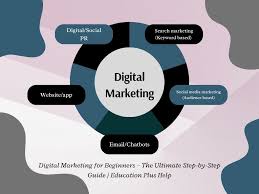
Digital marketing has several key parts. These work together to create a complete strategy. We have search engine optimization (SEO), content marketing, social media marketing, email marketing, and paid advertising.
Each plays a vital role in reaching your audience and achieving your business goals. Understanding how these pieces fit together is key to success.
SEO helps your website appear higher in search results. Content marketing involves creating valuable information to attract and engage people. Social media marketing uses platforms like Facebook and Instagram to connect with your audience.
Email marketing sends messages directly to people’s inboxes. Paid advertising, like Google Ads, helps you reach customers quickly.
Getting Started With Digital Marketing How To Start
When you ask digital marketing how to start, the first crucial step is knowing who you are trying to reach. Without this, your efforts will be scattered. You need to define your ideal customer.
What do they like? Where do they hang out online? What problems do they need solved?
Answering these questions helps you create messages that really connect with them. This makes your marketing much more effective and saves you time and money.
Define Your Target Audience
Knowing your audience is the bedrock of any successful marketing campaign. It means understanding their demographics, interests, behaviors, and pain points. For instance, if you sell handmade soaps, your audience might be people interested in natural products, sustainability, and self-care.
They might be active on Pinterest and Instagram. Creating customer personas, which are semi-fictional representations of your ideal customers, can be very helpful. These personas give your audience a face and a story.
A good customer persona would include age, location, job, hobbies, challenges, and online habits. For example, ‘Eco-Conscious Emily’ might be a 30-year-old yoga instructor living in a city, who values organic products and shops online for convenience. This detailed picture helps you tailor your marketing messages and choose the right channels to reach her.
Example: Defining an Audience for a Local Coffee Shop
Imagine a small coffee shop in a busy downtown area. Their target audience might include:
- Morning Commuters: People heading to work who need a quick coffee and pastry. They are likely busy, value speed, and appreciate loyalty programs. They might see ads on local transit or hear about the shop from colleagues.
- Students: University students looking for a place to study, meet friends, or grab an affordable snack. They are budget-conscious, active on social media (TikTok, Instagram), and respond well to student discounts or free Wi-Fi offers.
- Local Professionals: People working in nearby offices who might meet for business lunches or casual breaks. They appreciate quality, ambiance, and possibly catering services. They might be influenced by local business reviews and networking events.
By understanding these different groups, the coffee shop can create targeted promotions. For commuters, quick service and grab-and-go deals are key. For students, student discounts and a comfortable study space with good Wi-Fi are important.
For professionals, offering business lunch specials or event catering could be a great idea.
Set Clear Goals
What do you want to achieve with your digital marketing? Goals give your efforts direction. They should be specific, measurable, achievable, relevant, and time-bound (SMART).
For example, instead of “get more customers,” a SMART goal would be “increase website leads by 15% in the next three months.” This makes it clear what success looks like and how to track progress.
Common goals include increasing brand awareness, driving website traffic, generating leads, increasing sales, or improving customer engagement. Each goal requires a different approach and different metrics for measurement. Without clear goals, you can’t know if your marketing is actually working.
It’s like setting sail without a destination.
SMART Goal Example
Let’s say you want to increase sales for your online store selling handmade jewelry. A SMART goal could be:
- Specific: Increase online sales of silver necklaces.
- Measurable: Achieve a 20% increase in sales revenue from silver necklaces.
- Achievable: Based on past trends and planned promotions, this is possible.
- Relevant: Increasing sales directly supports business growth.
- Time-bound: Within the next quarter (3 months).
So, the SMART goal is: “Increase online sales revenue from silver necklaces by 20% within the next quarter.” This gives a clear target to work towards.
Choose Your Channels Wisely
You don’t need to be everywhere online. Focus on the platforms where your target audience spends their time. If your audience is primarily professionals, LinkedIn might be a good choice.
If they are younger and visual, Instagram and TikTok are better. For businesses that rely on local searches, Google My Business is essential. Picking the right channels makes your marketing budget work harder.
Consider what type of content you can create. Some platforms are great for videos, others for images, and some for written articles. Your content should match the channel.
For example, short, engaging videos work well on TikTok and Instagram Reels. In-depth articles are suited for blogs and LinkedIn. Don’t spread yourself too thin; master a few channels first.
Create Valuable Content
Content is king in digital marketing. This means creating things people find useful, interesting, or entertaining. It could be blog posts, videos, infographics, podcasts, or social media updates.
The goal is to attract and engage your audience, building trust and authority. When people find your content helpful, they are more likely to remember you and consider your products or services.
Think about the questions your target audience asks. What problems do they have that you can help solve? Creating content that answers these questions positions you as an expert.
For example, a gardening supply store could create blog posts on “How to Grow Tomatoes in Small Spaces” or “Pest Control for Organic Gardens.” This content attracts people interested in gardening and positions the store as a helpful resource.
Build Your Online Presence
This involves setting up and optimizing your website and social media profiles. Your website is often the first place people go to learn more about your business. It should be professional, easy to navigate, and mobile-friendly.
Social media profiles help you connect with your audience, share content, and build a community. Ensure your branding is consistent across all platforms.
A website is your digital storefront. It needs to clearly communicate what you do, who you serve, and why people should choose you. Social media is where you have conversations.
It’s about building relationships and showing the human side of your business. A strong online presence makes it easy for customers to find you and interact with you.
Essential Digital Marketing Tools
To effectively manage your digital marketing efforts, you’ll need some tools. These tools help you analyze data, create content, schedule posts, and much more. Using the right tools can save you a lot of time and make your campaigns much more effective.
Many excellent tools are available, some free and some paid.
Website Analytics Tools
Understanding how people interact with your website is vital. Analytics tools provide data on website traffic, user behavior, conversion rates, and more. This information helps you see what’s working and what’s not, allowing you to make improvements.
Google Analytics is a widely used, free tool that offers powerful insights into your website’s performance.
With Google Analytics, you can see how many people visit your site, where they come from (e.g., Google search, social media), which pages they view, and how long they stay. You can also track goals, like form submissions or purchases. This data is crucial for making informed decisions about your marketing strategy.
Without analytics, you are marketing blindly.
Key Metrics to Track
When looking at website analytics, certain metrics are particularly important:
- Traffic Sources: Where your visitors are coming from (organic search, social media, direct, referral). Understanding this tells you which channels are driving visitors.
- Bounce Rate: The percentage of visitors who leave your site after viewing only one page. A high bounce rate might mean your content isn’t engaging or visitors aren’t finding what they expect.
- Pages Per Session: The average number of pages a visitor views during a single visit. More pages suggest greater engagement.
- Average Session Duration: How long visitors typically spend on your site. Longer durations often indicate that visitors find your content valuable.
- Conversion Rate: The percentage of visitors who complete a desired action (e.g., make a purchase, fill out a form). This is a key indicator of marketing success.
These metrics help paint a picture of user behavior. You can then adjust your website and marketing to improve these numbers. For example, if your bounce rate is high on a specific page, you might need to improve that page’s content or design.
Social Media Management Tools
Managing multiple social media accounts can be time-consuming. Social media management tools allow you to schedule posts in advance, monitor engagement, and analyze performance across different platforms from one dashboard. This saves time and ensures a consistent posting schedule.
Popular options include Buffer, Hootsuite, and Later.
These tools are invaluable for businesses that are active on several social networks. You can plan your content calendar, write posts, and set them to go live at optimal times. This ensures your audience sees your content regularly, even when you are busy with other tasks.
They also often provide analytics to see which posts are performing best.
Content Creation Tools
Creating engaging content requires tools for design, editing, and optimization. Tools like Canva are excellent for creating visually appealing graphics for social media and websites without needing design skills. Video editing software, even simple ones, can help you produce professional-looking videos.
Grammarly can help ensure your written content is error-free.
For example, using Canva, you can easily create eye-catching banners for your Facebook page or promotional images for Instagram. If you are making a short video tutorial, simple editing software can help you add text overlays and background music. High-quality content makes a big difference in how your brand is perceived.
Email Marketing Platforms
Email marketing remains one of the most effective digital marketing channels. Platforms like Mailchimp, Constant Contact, or Sendinblue help you build email lists, design professional-looking emails, send them to your subscribers, and track their performance. These platforms automate many tasks, making it easy to communicate with your audience regularly.
You can use these platforms to send newsletters, promotional offers, or updates to your customers. They allow for segmentation, meaning you can send targeted emails to specific groups of subscribers based on their interests or past behavior. This personalization makes your emails more relevant and increases engagement.
Tracking open rates and click-through rates shows you how effective your campaigns are.
Content Marketing Strategies
Content marketing is about creating and distributing valuable, relevant, and consistent content. The aim is to attract and retain a clearly defined audience. It’s not about direct selling, but about building trust and an audience that will eventually buy from you.
This approach focuses on providing value first.
Blogging For Your Business
A blog is a fantastic way to attract visitors to your website. It allows you to share your expertise, answer customer questions, and improve your search engine rankings. Regularly publishing informative articles can establish your business as a thought leader in your industry.
Each blog post can also be optimized for specific keywords your audience is searching for.
When people search for information related to your products or services, a well-optimized blog post can appear in the search results. This brings new visitors to your site who are already interested in what you offer. For instance, a real estate agent could write blog posts about “Tips for First-Time Homebuyers” or “Understanding Mortgage Rates.” These topics attract potential buyers.
Example: Blog Post Structure
A good blog post typically includes:
- Catchy Title: Something that grabs attention and clearly states the topic.
- Engaging Introduction: Hook the reader and briefly explain what the post will cover.
- Main Body Content: Break down the topic into sections with headings and subheadings. Use bullet points or lists for readability.
- Visual Elements: Include relevant images, infographics, or videos to make the post more appealing.
- Call to Action (CTA): Tell the reader what you want them to do next, like subscribe to your newsletter or visit a product page.
- Conclusion: Briefly summarize the key points.
By following this structure, you can create blog posts that are informative and encourage reader interaction. Remember to keep paragraphs short and use simple language.
Video Marketing
Video content is incredibly popular and engaging. Short videos can be used on social media to grab attention, while longer videos can explain products, share tutorials, or tell your brand story. Platforms like YouTube, TikTok, and Instagram Reels are perfect for video marketing.
Videos can significantly boost engagement and brand recall.
Think about how often you watch videos online. They are a powerful way to communicate complex ideas simply. A well-made explainer video can convey a lot of information in a short time.
For instance, a software company could create a video demonstrating how to use a specific feature of their product. This can answer user questions and attract new customers.
Types of Marketing Videos
Various video formats can be effective:
- Explainer Videos: Short videos that explain what your product or service does and its benefits.
- Tutorials/How-Tos: Step-by-step guides on how to use a product or solve a problem.
- Customer Testimonials: Real customers sharing their positive experiences with your brand. This builds trust.
- Behind-the-Scenes: Showing the human side of your business, your team, or your process.
- Product Demos: Showing your product in action.
Choosing the right type of video depends on your marketing goals. A customer testimonial, for example, is excellent for building credibility. A tutorial video is great for educating users and reducing customer support inquiries.
Infographics and Visual Content
Infographics are visual representations of information or data. They are great for explaining complex topics in an easy-to-understand and shareable format. People often find visual content more engaging and memorable than text alone.
Creating attractive infographics can significantly increase your content’s reach on social media.
For example, a company analyzing market trends could create an infographic showing key statistics and their implications. This would be much more digestible and shareable than a long report. Tools like Canva or Piktochart make it easy to design professional-looking infographics, even if you have no design experience.
Creating Shareable Infographics
To make your infographics shareable:
- Focus on a Clear Topic: Ensure the infographic tells a clear story or presents specific data.
- Use Compelling Data: Back up your claims with interesting and relevant statistics.
- Keep it Visually Appealing: Use a consistent color scheme, clear fonts, and engaging icons.
- Include Branding: Add your logo and website URL so people know where it came from.
- Make it Easy to Share: Provide embed codes or direct download options.
An infographic that is both informative and visually attractive is more likely to be shared on social media, leading to more exposure for your brand. Imagine an infographic showing “5 Surprising Facts About Sleep” shared widely on health-focused social media groups.
Social Media Marketing Essentials
Social media is a powerful tool for connecting with your audience, building brand loyalty, and driving traffic. It allows for two-way communication, giving you direct feedback and the opportunity to engage with customers personally. Consistent activity and valuable content are key.
Choosing the Right Platforms
As mentioned before, select platforms where your target audience is most active. Don’t try to be everywhere if it stretches your resources too thin. Focus on mastering one or two platforms first.
For example, B2B companies might focus on LinkedIn, while fashion brands might excel on Instagram and Pinterest. Each platform has its own user base and content style.
Consider the demographics of each platform. Facebook has a broad user base, while Instagram and TikTok tend to skew younger. LinkedIn is for professionals.
Understanding these nuances helps you choose where to invest your time and effort. It’s better to do an excellent job on one platform than a mediocre job on five.
Creating Engaging Social Media Content
Content on social media needs to be eye-catching and concise. Use high-quality images and videos. Ask questions to encourage comments and interactions.
Run polls, contests, or Q&A sessions. Personalize your content by showing the human side of your business. Mix promotional posts with valuable, non-promotional content.
A good mix might be 80% valuable content and 20% promotional content. For example, a pet store could share cute pet photos, tips on pet care, and then promote their new line of dog food. This balance keeps followers engaged without feeling constantly sold to.
Interactive content like quizzes or “This or That” polls can significantly boost engagement.
Content Ideas for Social Media
Here are some ideas for social media posts:
- Behind-the-Scenes Glimpses: Show your office, your team at work, or how a product is made.
- User-Generated Content (UGC): Share photos or videos from your customers using your products.
- Tips and Tricks: Offer helpful advice related to your industry or products.
- Ask Me Anything (AMA) Sessions: Host live Q&A sessions with experts from your company.
- Industry News and Trends: Share relevant updates and your take on them.
- Contests and Giveaways: Encourage participation and reward your followers.
These types of posts encourage interaction and build a community around your brand. User-generated content is particularly powerful because it acts as social proof.
Social Media Advertising
Paid social media advertising allows you to reach a wider, more targeted audience. Platforms like Facebook, Instagram, and LinkedIn offer sophisticated advertising tools. You can target users based on demographics, interests, behaviors, and more.
This ensures your ads are seen by people most likely to be interested in your offerings.
For instance, if you sell hiking gear, you can target ads to people interested in hiking, camping, and outdoor activities who live in specific geographic areas. This is far more effective than generic advertising. Social media ads can be used for various objectives, like driving website traffic, generating leads, or increasing brand awareness.
Benefits of Social Media Ads
Key advantages include:
- Precise Targeting: Reach specific demographics, interests, and behaviors.
- Cost-Effectiveness: Often more affordable than traditional advertising, with flexible budgets.
- Measurable Results: Track ad performance in real-time and adjust campaigns.
- Increased Reach: Go beyond your existing followers to find new customers.
- Brand Awareness: Get your brand in front of a larger audience.
Social media advertising is a powerful way to amplify your marketing efforts and reach potential customers efficiently. You can start with a small budget to test what works best.
Search Engine Optimization (SEO) Basics
Search Engine Optimization (SEO) is the practice of increasing the quantity and quality of traffic to your website through organic search engine results. It involves optimizing your website and content so that search engines like Google can easily find, understand, and rank it. Good SEO helps people find your business when they search for products or services you offer.
How Search Engines Work
Search engines use bots (also called spiders or crawlers) to explore the web. These bots follow links from one page to another, gathering information about web pages. They then organize this information in a massive database called an index.
When you search for something, the search engine looks through its index to find the most relevant results.
Algorithms are complex formulas that search engines use to rank pages in their search results. These algorithms consider hundreds of factors, such as the relevance of the content to the search query, the authority and trustworthiness of the website, and the user experience. The goal is to provide users with the best possible answer to their search query.
Keyword Research
Keyword research is about finding the words and phrases that your target audience uses when searching for products or services like yours. Understanding these keywords helps you create content that matches what people are looking for. Tools like Google Keyword Planner, Ahrefs, or SEMrush can help you discover relevant keywords and see how often they are searched for.
For example, if you sell eco-friendly cleaning supplies, you would want to know what terms people use. They might search for “natural household cleaners,” “non-toxic cleaning products,” or “sustainable home care.” By targeting these keywords in your website content and blog posts, you can attract people actively looking for what you sell. This is fundamental to digital marketing how to start.
Types of Keywords
Keywords can be categorized:
- Short-tail keywords: These are broad, usually one or two words (e.g., “shoes”). They have high search volume but are very competitive and less specific.
- Long-tail keywords: These are longer, more specific phrases (e.g., “waterproof running shoes for women with arch support”). They have lower search volume but are less competitive and often indicate higher purchase intent.
- Navigational keywords: Used when people are looking for a specific website or brand (e.g., “Amazon login”).
- Informational keywords: Used when people are looking for information (e.g., “how to tie a tie”).
- Commercial/Transactional keywords: Used when people are ready to buy (e.g., “buy iPhone 15,” “best laptop deals”).
Focusing on a mix of these keywords, especially long-tail and commercial ones, can lead to more targeted traffic and higher conversion rates.
On-Page SEO
On-page SEO refers to optimizing elements on your website pages themselves. This includes using your target keywords in page titles, meta descriptions, headings (H1, H2, etc.), and within the body content. It also involves ensuring your website loads quickly, is mobile-friendly, and has a clear, user-friendly structure.
Your page title and meta description are what people see in search results. They need to be compelling and accurately describe the page content to encourage clicks. For example, a title like “Best Budget Laptops for Students” is more appealing than “Laptop Page.” Including keywords naturally makes the content relevant to search engines.
Elements of On-Page SEO
Key on-page SEO factors include:
- Page Titles: The main title of your web page, shown in browser tabs and search results.
- Meta Descriptions: A short summary of the page’s content, appearing under the title in search results.
- Header Tags (H1, H2, H3): Structure your content logically with headings, using keywords where appropriate. Your H1 should be the main title of the page.
- URL Structure: Create clean, descriptive URLs that include keywords.
- Image Alt Text: Describe images using keywords for accessibility and SEO.
- Internal Linking: Link to other relevant pages on your website to help users and search engines discover content.
Optimizing these elements helps search engines understand what your pages are about, leading to better rankings. For instance, using “DIY Furniture Restoration Tips” in an H1 tag for a blog post clearly signals the content’s topic.
Off-Page SEO
Off-page SEO involves activities done outside your website to improve its ranking in search results. The most significant part of off-page SEO is building high-quality backlinks from other reputable websites to yours. Backlinks act like votes of confidence, telling search engines that your content is valuable and trustworthy.
Other off-page factors include social media signals, online reviews, and brand mentions. The goal is to increase your website’s authority and credibility in the eyes of search engines and users alike. Earning backlinks naturally through great content is the most sustainable approach.
Guest blogging on relevant sites can also be effective.
Building Quality Backlinks
Strategies for acquiring backlinks:
- Create Shareable Content: High-quality blog posts, infographics, and videos are more likely to be linked to.
- Guest Blogging: Write articles for other websites in your industry, including a link back to your site.
- Broken Link Building: Find broken links on other websites and suggest your content as a replacement.
- Directory Submissions: List your business in relevant, high-quality online directories.
- Public Relations: Get your business featured in news articles or industry publications.
Focusing on earning links from authoritative and relevant websites is crucial. A single link from a highly respected site can be more valuable than dozens of links from low-quality sites. This signals to search engines that your site is a trusted source.
Email Marketing Strategies
Email marketing is a direct way to communicate with your audience. It’s highly effective for nurturing leads, building customer loyalty, and driving sales. The key is to build a quality list and send relevant, valuable emails.
Building Your Email List
Never buy email lists. Focus on building a list of people who have actively opted in to receive your emails. Offer incentives, such as a discount, a free guide, or exclusive content, in exchange for their email address.
Place sign-up forms prominently on your website and social media profiles. This ensures you are collecting contacts from interested individuals.
An opt-in is essential for building trust and complying with privacy regulations. It shows people they are signing up for something they want. For example, a bakery might offer a coupon for 10% off their first order in exchange for an email address.
This encourages sign-ups and immediately provides value.
Methods for List Building
Effective list-building techniques include:
- Website Pop-ups: Offer a discount or freebie in a pop-up window that appears when visitors land on your site or are about to leave.
- Lead Magnets: Create valuable downloadable content (e.g., e-books, checklists, templates) that users can access by providing their email.
- Embedded Forms: Place email sign-up forms within your website’s pages, especially on blog posts or contact pages.
- Social Media Promotions: Run campaigns on social media encouraging followers to sign up for your newsletter.
- Contests and Giveaways: Require email entry for participation in contests.
The goal is to make it easy and appealing for people to join your list. A well-crafted lead magnet can attract highly qualified leads interested in your niche.
Types of Marketing Emails
There are several types of marketing emails you can send:
- Welcome Emails: Sent to new subscribers. These should introduce your brand and set expectations.
- Newsletters: Regular updates sharing valuable content, company news, or promotions.
- Promotional Emails: Announcing sales, discounts, new products, or special offers.
- Abandoned Cart Emails: For e-commerce, reminding customers of items left in their cart.
- Re-engagement Emails: Sent to inactive subscribers to try and win them back.
A well-timed welcome email can make a great first impression. For example, it might include a special offer and links to your most popular content. This immediately provides value and guides the new subscriber.
Email Segmentation and Personalization
Sending the same email to everyone is less effective than tailoring messages to specific groups. Segmentation involves dividing your email list into smaller groups based on demographics, interests, or past behavior. Personalization means using subscriber data to customize emails, like addressing them by name or recommending products based on their past purchases.
For instance, if you sell clothing, you might segment your list into male and female customers. Then, you can send targeted emails featuring new arrivals for men to the male segment and new arrivals for women to the female segment. This relevance dramatically increases open and click-through rates.
Personalization makes the recipient feel valued.
Benefits of Segmentation
Segmenting your list offers:
- Increased Relevance: Emails are more likely to be of interest to the recipient.
- Higher Engagement Rates: More opens, clicks, and conversions.
- Improved Customer Loyalty: Customers feel understood and valued.
- Reduced Unsubscribe Rates: Irrelevant emails are a common reason for unsubscribing.
- Better ROI: More effective campaigns lead to better results for your marketing spend.
Personalization goes beyond just using a name. It can include recommending products based on past browsing history or sending birthday greetings with a special offer. This level of attention makes your brand stand out.
Measuring Your Digital Marketing Success
It’s vital to track your marketing efforts to see what’s working and what isn’t. This allows you to refine your strategies and allocate your budget effectively. Without measurement, you’re just guessing.
Fortunately, many tools exist to help you track your progress.
Key Performance Indicators (KPIs)
KPIs are specific metrics that measure your progress towards achieving your business goals. For digital marketing, common KPIs include website traffic, conversion rates, cost per acquisition (CPA), click-through rates (CTR), engagement rates on social media, and email open rates. The KPIs you choose should align with your overall business objectives.
For example, if your goal is to increase sales, your primary KPIs might be conversion rate and cost per acquisition. If your goal is brand awareness, you might focus on website traffic and social media engagement. Tracking these metrics regularly helps you understand your performance.
Common Digital Marketing KPIs
Some key performance indicators:
- Website Traffic: The number of visitors to your website.
- Conversion Rate: The percentage of visitors who complete a desired action.
- Cost Per Acquisition (CPA): The average cost to acquire a new customer.
- Return on Investment (ROI): The profit generated from marketing efforts relative to their cost.
- Customer Lifetime Value (CLV): The total revenue you can expect from a customer over their lifetime.
- Social Media Engagement Rate: Likes, shares, comments relative to your follower count.
Understanding these KPIs allows you to make data-driven decisions. For example, if your CPA is too high, you might need to optimize your ad campaigns or explore more cost-effective channels.
Using Analytics Tools
As mentioned earlier, tools like Google Analytics are essential for tracking website performance. They provide detailed reports on traffic sources, user behavior, conversions, and much more. Social media platforms also offer built-in analytics dashboards for your profiles and ads.
Email marketing platforms provide data on open rates, click-through rates, and unsubscribes.
Regularly reviewing these analytics reports is crucial. Look for trends, identify areas for improvement, and celebrate successes. For instance, if you see that traffic from a particular social media channel is consistently high and leads to conversions, you might want to invest more resources there.
Analyzing Your Data
When analyzing data:
- Look for Patterns: Are there specific times of day or week when engagement is highest?
- Compare Performance: How does your current performance compare to previous periods?
- Identify Bottlenecks: Where are users dropping off in the conversion funnel?
- Test and Iterate: Use A/B testing to compare different versions of ads, emails, or landing pages.
- Connect to Goals: Always tie your analysis back to your original marketing goals.
Data analysis helps you move from intuition to informed strategy. It shows you what actions are yielding the best results so you can focus your efforts effectively.
Common Myths Debunked
Myth 1: Digital Marketing is Too Expensive for Small Businesses
This is a common misconception. While large-scale digital marketing campaigns can be costly, many effective strategies are very affordable, or even free to start. Social media marketing, content creation through blogging, and basic SEO can be done with minimal financial investment, primarily requiring time and effort.
Paid advertising also allows for flexible budgets, meaning you can start small and scale up as you see results. The key is to be strategic and focus on channels that offer the best return for your investment.
Myth 2: You Need To Be A Tech Expert To Do Digital Marketing
While some advanced aspects of digital marketing require technical skills, the basics are quite accessible. Many user-friendly tools are designed for non-experts. For example, website builders like Wix or Squarespace, and graphic design tools like Canva, make it easy to create professional-looking online assets.
The most important qualities are a willingness to learn and a good understanding of your audience and business goals. Many online resources and tutorials are available to help you learn the necessary skills.
Myth 3: SEO Is A One-Time Task
Search engine optimization is an ongoing process, not a one-time fix. Search engines constantly update their algorithms, and your competitors are also working on their SEO. Websites need regular updates, fresh content, and ongoing optimization to maintain and improve their rankings.
Building high-quality backlinks and monitoring performance are continuous activities. Consistent effort is required for sustained visibility in search results.
Frequently Asked Questions
Question: How quickly can I see results from digital marketing
Answer: The timeline for seeing results varies greatly depending on the strategy and industry. Some paid advertising campaigns can yield immediate traffic and leads. However, organic methods like SEO and content marketing often take several months to show significant results as search engines index your content and build your site’s authority.
Consistency is key.
Question: Should I hire a digital marketing agency or learn myself
Answer: It depends on your budget, time, and expertise. If you have limited time and budget, learning yourself and using user-friendly tools is a good start. As your business grows and your needs become more complex, hiring an agency or specialist can be beneficial for their expertise and efficiency.
Many businesses start by learning themselves and then outsource specific tasks.
Question: What is the most important digital marketing channel
Answer: There isn’t one single “most important” channel; it depends entirely on your business and target audience. For some, search engines are critical. For others, social media or email marketing will be more effective.
A well-rounded strategy often involves multiple channels working together, but you should prioritize those that best reach your ideal customers.
Question: How do I create a digital marketing budget
Answer: Start by defining your goals and understanding your target audience. Then, research the typical costs for the channels you plan to use. Allocate a portion of your overall marketing budget to digital marketing, and be prepared to adjust it based on performance.
Begin with a smaller budget to test different strategies before committing significant funds.
Question: Do I need a professional website to start
Answer: While a professional website is highly recommended, you can start with simpler platforms. Even a well-designed landing page can be effective initially. However, as you progress, a dedicated website is crucial for building credibility, controlling your brand’s message, and implementing many digital marketing strategies.
Many affordable website builders are available.
Summary
Starting with digital marketing involves understanding your audience, setting clear goals, and choosing the right channels. Focus on creating valuable content and building your online presence. Utilize tools for analytics, social media, and email to track progress and connect with customers.
By consistently applying these steps and measuring your results, you can effectively grow your business online.

Related Posts
Digital Marketing Minneapolis Taichetan LLC Explained
Simple Digital Marketing Learning Guide