Understanding The Digital Marketing Definition
Lots of people find the digital marketing definition a bit tricky to grasp at first. It sounds like a big word, but it’s really just about using the internet and online tools to promote things. We’ll break it all down for you, step by step, so it makes perfect sense.
Get ready to see how simple it can be!
Key Takeaways
- You will learn a clear and simple definition of digital marketing.
- You will discover the main goals of digital marketing efforts.
- You will explore various popular types of digital marketing.
- You will see how digital marketing helps businesses grow.
- You will understand why digital marketing is important today.
What is Digital Marketing Definition
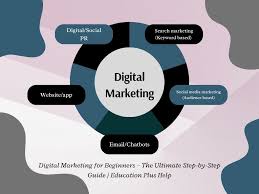
Digital marketing is basically using online channels to reach people. This includes things like search engines, social media, email, and websites. The main idea is to connect with customers where they spend their time online.
It helps businesses show their products or services to the right audience at the right moment. This makes advertising more effective and efficient.
The digital marketing definition is important because it guides how companies connect with their customers today. It’s not just about putting an ad online. It’s a whole strategy.
This strategy aims to attract new customers, keep existing ones happy, and sell more goods or services. It involves many different tactics working together.
Why is Digital Marketing Definition Important
Businesses use digital marketing to grow their brand and increase sales. It’s a way to be seen by potential customers who are actively looking for what you offer. When done well, it can bring in lots of new business.
It’s also very measurable, so you know what’s working and what’s not. This helps companies spend their money wisely.
The internet has changed how people shop and find information. Digital marketing helps businesses keep up with these changes. It allows them to interact directly with their customers.
This builds trust and loyalty. Without a good understanding of digital marketing definition, businesses can miss out on a lot of potential customers.
For beginners, the digital marketing definition can seem overwhelming because there are so many terms and platforms. It’s like learning a new language. But when you break it down into smaller parts, it becomes much easier to understand.
We will cover the basics and then build from there.
The Core Goals of Digital Marketing
The main goal of digital marketing is to help businesses achieve their objectives. This often means getting more people to know about their brand. It also means getting people to visit their website or store.
Ultimately, most businesses want to sell more products or services.
Another key goal is building relationships with customers. When people trust a brand, they are more likely to buy from it. Digital marketing allows for direct interaction through social media and email.
This helps create a loyal customer base. Happy customers often tell their friends, which is great free advertising.
Here are some of the top goals:
- Brand Awareness: Making sure people know your brand exists and what it stands for.
- Lead Generation: Finding people who are interested in your products or services.
- Sales and Conversions: Encouraging people to make a purchase or take a desired action.
- Customer Retention: Keeping existing customers happy so they keep coming back.
- Website Traffic: Driving more visitors to your website to see what you offer.
Brand awareness is like making sure your name is out there. If people don’t know you, they can’t buy from you. Digital marketing uses various methods to get your brand in front of many eyes.
This could be through engaging content or eye-catching ads on social media platforms or search engines.
Lead generation is about finding potential customers. These are people who have shown some interest. For example, they might have signed up for a newsletter or downloaded a free guide.
Digital marketing helps identify and capture these interested individuals.
Sales and conversions are the ultimate aim for most businesses. This means turning interested people into paying customers. Digital marketing strategies guide people through the buying process.
They might see an ad, visit a website, and then make a purchase. Every step is designed to lead to a sale.
Customer retention focuses on keeping the customers you already have. It’s often cheaper to keep a customer than to find a new one. Digital marketing helps businesses stay in touch with their customers.
They might send personalized offers or helpful tips. This keeps the brand top-of-mind.
Increasing website traffic means getting more people to visit your online home. Your website is where people can learn all about your business. More visitors mean more chances to make a sale or build a relationship.
Digital marketing activities are designed to drive these visitors in.
Exploring Different Types of Digital Marketing
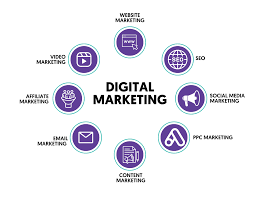
The world of digital marketing is vast, with many different ways to reach people. Each type has its own strengths and is good for different goals. Understanding these types helps businesses pick the best methods for them.
It’s about choosing the right tools for the job.
Think of it like a toolbox. You wouldn’t use a hammer to screw in a screw. Similarly, you wouldn’t use only one type of digital marketing for every situation.
The digital marketing definition encompasses all these various tools and techniques working together.
Search Engine Optimization SEO
Search Engine Optimization, or SEO, is all about making your website show up higher in search engine results. When someone searches on Google for something, like “best running shoes,” SEO helps your website appear near the top. This is great because most people click on the first few results they see.
SEO involves making changes to your website. This can include using the right words, making your site fast, and making sure it works well on phones. It also means getting other trusted websites to link to yours.
Search engines like Google see these links as votes of confidence. The better your website is, the more likely search engines are to rank it highly.
SEO has two main parts:
- On-page SEO: This involves optimizing the content and structure of your website.
- Off-page SEO: This focuses on activities outside your website to build its authority.
On-page SEO includes using relevant keywords in your page titles, headings, and content. It’s about making your content helpful and easy for both people and search engines to read. Having clear headings and well-written text guides visitors and tells search engines what your page is about.
Off-page SEO often involves building backlinks. Backlinks are links from other websites to yours. They are like recommendations.
The more high-quality backlinks you have, the more likely search engines are to see your site as important. Social media shares can also indirectly help SEO.
A real-life example: A small local bakery decided to focus on SEO. They made sure their website had clear information about their location, opening hours, and popular cakes. They also added blog posts with recipes and baking tips, using words people might search for.
As a result, when people in their town searched for “cupcakes near me,” the bakery’s website started appearing higher. This led to a 30% increase in online orders within three months.
Content Marketing
Content marketing is about creating and sharing valuable content to attract and keep an audience. This content could be blog posts, videos, infographics, or podcasts. The goal isn’t just to sell, but to educate, entertain, or inspire people.
When businesses provide useful content, people start to see them as experts. This builds trust and credibility. Over time, this trust can lead to customers choosing that business when they are ready to buy.
It’s a long-term strategy that focuses on building relationships.
Key aspects of content marketing include:
- Creating valuable content: This means making things people want to read, watch, or listen to.
- Distributing content: Sharing your content on platforms where your target audience spends time.
- Engaging with the audience: Responding to comments and questions about your content.
Creating valuable content means thinking about what problems your audience has and how you can help solve them. For instance, a software company might create blog posts explaining how to use their software more effectively. A fitness brand might share workout videos and healthy meal plans.
Distributing content means making sure people actually see it. This could involve posting on social media, sending it out in an email newsletter, or even paying to promote it. The goal is to get your content in front of the eyes of the people who would find it most useful.
Engaging with your audience shows that you care. When people comment on your blog posts or social media, responding to them makes them feel heard. This builds a stronger connection.
It can also provide valuable feedback for future content.
A company selling gardening supplies uses content marketing by publishing a blog every week. They share tips on how to grow different plants, deal with pests, and create beautiful gardens. They also post videos on YouTube showing how to plant seeds and care for flowers.
This attracts gardeners who are looking for advice. Many of these gardeners then buy their seeds and tools from the company because they trust its expertise.
Social Media Marketing
Social media marketing is using platforms like Facebook, Instagram, Twitter, and LinkedIn to connect with customers. It’s about building a community around your brand and sharing engaging content. It’s also a powerful way to advertise.
Businesses can talk directly to their customers on social media. They can answer questions, get feedback, and run contests. It helps make a brand feel more human and approachable.
Social media is also a great place to run targeted ads to reach specific groups of people.
Key elements of social media marketing:
- Building a presence: Creating profiles on relevant social media platforms.
- Sharing engaging content: Posting updates, photos, videos, and stories that your audience will like.
- Interacting with followers: Responding to comments, messages, and mentions.
- Running paid ads: Using social media advertising to reach a wider audience.
Building a presence means setting up accounts on platforms where your potential customers hang out. If you sell products for young people, Instagram and TikTok might be key. If you sell business services, LinkedIn is probably more important.
Sharing engaging content is vital. This includes visually appealing images, short videos, and interesting posts. People scroll quickly, so your content needs to grab their attention.
Asking questions can encourage comments and interaction.
Interacting with followers shows that you are listening. Responding to comments and messages promptly makes customers feel valued. It also helps you understand what your audience thinks and wants.
Positive interactions can turn followers into loyal customers.
Running paid ads on social media allows you to target very specific groups of people based on their age, interests, location, and more. This ensures your ads are seen by those most likely to be interested in your products or services. It’s a highly effective way to reach new customers.
A small cafe used Instagram to showcase its daily specials and cozy atmosphere. They posted beautiful pictures of their coffee and pastries. They also ran a contest asking people to share photos of their cafe visits for a chance to win free coffee.
This increased their foot traffic by 25% as more people came in to try their offerings.
Email Marketing
Email marketing is a direct way to communicate with your customers and leads. You send emails to people who have given you their email address. This could be through signing up for a newsletter or making a purchase.
Email marketing is very effective for nurturing relationships and driving sales. You can send out promotions, new product announcements, or helpful tips. It allows for personalized messages that can resonate with individuals.
Key components of email marketing:
- Building an email list: Collecting email addresses from interested people.
- Segmenting your list: Dividing your list into smaller groups based on interests or behavior.
- Crafting effective emails: Writing clear, engaging emails with a strong call to action.
- Analyzing results: Tracking open rates, click-through rates, and conversions.
Building an email list is the first step. You need people to send emails to. Offering something valuable, like a discount or free guide, can encourage people to sign up.
Segmenting your list is important for sending relevant messages. Sending the same email to everyone might not work as well. For example, you might send different offers to new customers versus loyal ones.
Crafting effective emails means making them visually appealing and easy to read. The subject line needs to grab attention. The email content should be clear and have a specific goal, like getting someone to click a link or make a purchase.
Analyzing results helps you improve. By seeing which emails get opened and clicked, you can learn what your audience likes. This data allows you to make your future emails even better.
It’s a continuous improvement process.
A clothing boutique uses email marketing to announce new arrivals and sales. They offer a 10% discount to new subscribers. They also send emails with styling tips based on the season.
This strategy helped them increase online sales by 20% each quarter as customers made repeat purchases.
Pay-Per-Click PPC Advertising
Pay-Per-Click (PPC) advertising is a model where advertisers pay a fee each time one of their ads is clicked. Search engine advertising is a common form of PPC. When you search on Google, you often see ads at the top that say “Ad.”
PPC campaigns can be very effective for driving quick traffic to a website. Businesses can set a budget and target specific keywords. This means their ads show up when people are actively searching for those terms.
It’s a direct way to reach potential customers who are ready to buy.
Key aspects of PPC advertising:
- Keyword research: Identifying the search terms your target audience uses.
- Ad creation: Writing compelling ad copy that encourages clicks.
- Landing page optimization: Ensuring the page people land on after clicking is relevant and encourages action.
- Budget management: Setting and managing spending to maximize return on investment.
Keyword research is critical. You need to know what words people type into search engines when looking for products or services like yours. Tools can help you find these popular search terms.
Ad creation involves writing short, persuasive text that tells people why they should click your ad. It needs to be clear, concise, and highlight your unique selling points. A strong call to action is also important, telling people what you want them to do next.
Landing page optimization is about what happens after the click. The page people arrive on must match their expectations from the ad. It should be easy to understand and make it simple for them to complete the desired action, like buying something or filling out a form.
Budget management ensures you’re not overspending. PPC campaigns can become expensive if not managed carefully. You need to track performance and adjust bids and targeting to get the best results for your money.
An online electronics store uses PPC ads on Google. When people search for “buy smartphone online,” their ads appear. They target specific models and brands.
This has led to a consistent stream of new customers actively looking to purchase. Their sales from PPC ads increased by 40% in the last year.
How Digital Marketing Helps Businesses Grow
Digital marketing offers powerful ways for businesses of all sizes to grow. It levels the playing field, allowing smaller businesses to compete with larger ones. The ability to target specific audiences means marketing efforts are more efficient and cost-effective.
By reaching the right people with the right message, businesses can increase their customer base. This leads to more sales and greater revenue. Digital marketing also builds brand loyalty, which is essential for long-term success.
It’s about making smart connections online.
Reaching a Wider Audience
The internet has no physical borders. This means digital marketing can help businesses reach customers far beyond their local area. Through search engines, social media, and online advertising, your message can be seen by millions of people globally.
This broad reach is incredibly valuable. A small boutique in one city can sell its unique products to customers all over the country. A service provider can offer consultations to clients in different time zones.
The online world opens up new markets that were previously inaccessible.
Statistics show the impact:
- Globally, over 5 billion people use the internet.
- More than 4.5 billion people are active on social media.
With so many people online, the potential for businesses to connect with them is huge. Digital marketing provides the tools to tap into this vast audience. It’s about being visible where people are already spending their time.
Consider a craftsperson who makes custom jewelry. Before digital marketing, their customers were mostly local. By setting up an online store and promoting it on social media and through SEO, they can now sell their unique pieces to customers across the world.
This dramatically expands their potential market and revenue.
Cost-Effectiveness and Measurable Results
One of the biggest advantages of digital marketing is its cost-effectiveness. Compared to traditional advertising like TV or print ads, digital marketing can be much cheaper. Businesses can start with small budgets and scale up as they see results.
Furthermore, digital marketing is highly measurable. You can track exactly how many people see your ads, click on them, visit your website, and make a purchase. This data helps businesses understand what’s working and what’s not.
They can then adjust their strategies to improve their return on investment.
Here’s how measurement works:
- Website analytics: Tools like Google Analytics show how many people visit your site, where they come from, and what they do.
- Ad campaign reports: Platforms like Google Ads and Facebook Ads provide detailed reports on ad performance.
- Conversion tracking: You can see exactly how many people complete a desired action, like buying a product or filling out a form.
This ability to measure everything is invaluable. It allows businesses to make informed decisions. They can stop spending money on strategies that aren’t working and invest more in those that are providing good results.
This optimizes their marketing spend and drives better outcomes.
A startup company launching a new app started with a small budget for online ads. They carefully tracked clicks and downloads. They found that ads targeting users interested in productivity tools performed best.
By shifting their budget to focus on these ads, they achieved a much lower cost per download, making their marketing spend far more efficient.
Building Customer Relationships
Digital marketing isn’t just about selling; it’s also about building lasting relationships with customers. Through social media, email, and content, businesses can engage in two-way conversations with their audience.
This interaction helps create trust and loyalty. When customers feel heard and valued, they are more likely to stick with a brand. It transforms a one-time purchase into a long-term connection.
This is key for sustainable business growth.
Ways to build relationships:
- Responding to comments and messages: Showing you are present and care about customer feedback.
- Personalized communication: Sending emails or offers based on individual customer preferences.
- Creating communities: Building online groups or forums where customers can connect with each other and the brand.
Responding quickly to customer queries on social media or via email can make a big difference. It shows that the business is attentive and values its customers’ time. This can turn a potentially negative experience into a positive one.
Personalization makes customers feel special. Sending birthday discounts or recommendations based on past purchases shows you know them. This makes them feel more connected to the brand and encourages repeat business.
Building online communities, like Facebook groups, allows customers to connect with each other and the brand. This fosters a sense of belonging. Customers can share tips, ask questions, and support each other, strengthening their bond with the brand.
A pet supply store actively engages with its customers on Facebook. They share pictures of pets using their products, answer questions about pet care, and run polls about favorite pet treats. This creates a friendly community.
Customers feel a connection to the store and are more likely to buy from them because of the positive interactions.
Common Myths Debunked
Myth 1 Digital marketing is only for big companies
This is not true. Digital marketing is incredibly accessible for businesses of all sizes. Small businesses can use low-cost strategies like social media and SEO to reach customers effectively.
The tools are available and affordable for everyone.
Myth 2 Digital marketing is too complicated to learn
While there are many tools and tactics, digital marketing can be broken down into simple concepts. By focusing on one area at a time, like social media or email, beginners can easily learn and apply new skills. It’s about taking small, manageable steps.
Myth 3 Digital marketing is just about advertising
Advertising is a part of digital marketing, but it’s much more than that. It also includes building relationships, providing value through content, and engaging with customers. The goal is to build a brand and foster loyalty, not just to sell.
Myth 4 You need a huge budget for digital marketing to work
Many effective digital marketing strategies can be started with very little money. Organic social media posts, basic SEO, and email marketing to a small list cost little to nothing. You can scale your budget as you see success.
Frequently Asked Questions
Question: What is the most important part of digital marketing
Answer: The most important part is knowing your audience and providing value to them. Understanding who your customers are and what they need helps you create effective marketing messages that resonate.
Question: Can I do digital marketing myself
Answer: Yes, absolutely. Many small business owners successfully manage their own digital marketing. There are many resources and tools available to help you learn and implement strategies.
Question: How long does it take to see results from digital marketing
Answer: Results can vary. Some strategies, like PPC ads, can show results quickly. Others, like SEO and content marketing, take more time to build momentum but offer long-term benefits.
Question: What is a digital marketing strategy
Answer: A digital marketing strategy is a plan that outlines your digital marketing goals and how you intend to achieve them using various online channels and tactics.
Question: Is digital marketing only for online businesses
Answer: No. Brick-and-mortar businesses also benefit greatly from digital marketing. It helps them attract local customers, build brand awareness, and drive foot traffic to their physical stores.
Conclusion
Understanding the digital marketing definition is your first step. It means using online tools to connect with people. You can reach more customers and build stronger relationships.
By exploring different methods like SEO, content, social media, email, and ads, you can grow your business effectively. Start simple and keep learning.

Related Posts
Digital Marketing Minneapolis Taichetan LLC Explained
Simple Digital Marketing Learning Guide