Crafting Your Digital Marketing Job Description
Starting a career in digital marketing can seem a bit tricky, especially when you look at a digital marketing job description. So many terms and tasks can make it feel overwhelming for newcomers. Don’t worry, we’re here to make it super simple.
This guide will walk you through exactly what you need to know, step by step. We’ll break down what these job descriptions mean and how you can understand them better. Get ready to feel more confident about your next career move.
Key Takeaways
- You will learn to understand the common elements found in a digital marketing job description.
- This post explains key digital marketing roles and their responsibilities clearly.
- You will discover how to identify your skills and match them to job requirements.
- We provide tips on how to present your experience effectively for digital marketing roles.
- This article helps demystify jargon often used in digital marketing job postings.
- You will gain confidence in searching for and applying to digital marketing positions.
Understanding the Digital Marketing Job Description
What Is a Digital Marketing Job Description
A digital marketing job description is a document that outlines the specific duties, responsibilities, qualifications, and skills needed for a particular role within a digital marketing team. It acts as a roadmap for both employers and potential employees. For employers, it helps attract the right talent by clearly stating what the job entails.
For job seekers, it provides a clear picture of what is expected, helping them decide if the role is a good fit for their skills and career goals.
These descriptions are vital because digital marketing is a broad field with many specializations. A clear description prevents misunderstandings and sets expectations. It ensures that the hiring process is efficient and that the person hired can contribute effectively from day one.
Without a well-defined job description, companies might struggle to find suitable candidates, and applicants might waste time applying for roles they are not qualified for.
Core Components of a Job Description
Every good job description shares common parts. These sections help give a full picture of the role. They make it easy to scan and understand what’s important.
- Job Title: This is the name of the position, like “Social Media Manager” or “SEO Specialist.” It should be clear and standard in the industry.
- Job Summary or Overview: A short paragraph that gives a brief idea of the role’s main purpose and its place in the company.
- Responsibilities and Duties: This is the longest part. It lists all the tasks the person will do daily, weekly, or monthly. It details what success looks like for each task.
- Qualifications and Skills: This section lists the education, experience, and specific skills needed. It often separates “required” skills from “preferred” ones.
- Company Information: A brief overview of the company, its mission, and its culture. This helps candidates decide if they want to work there.
- Compensation and Benefits: Sometimes included, this can mention salary range, health insurance, paid time off, and other perks.
For example, a “Content Marketing Specialist” description might list responsibilities like “creating blog posts,” “developing social media content calendars,” and “analyzing website traffic.” Qualifications might include “excellent writing skills,” “experience with SEO tools,” and a “bachelor’s degree in marketing or a related field.”
Why Job Descriptions Matter for Beginners
For those new to digital marketing, job descriptions can seem like a foreign language. They often use acronyms and industry terms that aren’t immediately clear. For instance, you might see terms like “PPC,” “CTR,” “ROI,” or “CRM” without explanation.
This can be confusing and make it hard to know if you have the right skills or if you’re even applying for a job you’d like.
A well-written job description can actually be a beginner’s best friend. It acts as a guide to the skills and knowledge you need to develop. By carefully reading what a company is looking for, you can learn which areas of digital marketing are most in demand.
This helps you focus your learning and training efforts. It also shows you the typical career path someone in that role might follow.
Think of it this way: if a job requires “experience managing social media campaigns and analyzing engagement metrics,” and you’ve only ever posted on your personal accounts, you know you need to learn about campaign tools and how to measure success. The description points you toward the knowledge gap you can fill.
Key Roles in Digital Marketing
Digital marketing isn’t just one job; it’s a whole team of specialists working together. Each role has a unique focus to help a business reach its online goals. Understanding these different roles helps you see where you might fit in or what skills to build.
Search Engine Optimization (SEO) Specialist
An SEO Specialist focuses on making sure a company’s website shows up high in search engine results, like Google. They work to improve a website’s visibility so more people can find it when they search for products or services. This involves technical website fixes, creating good content, and building links.
Key responsibilities include:
- Conducting keyword research to identify terms potential customers are searching for.
- Optimizing website content and structure for search engines.
- Analyzing website traffic and search engine rankings to measure performance.
- Staying updated on the latest SEO trends and algorithm changes.
- Building high-quality backlinks from other reputable websites.
For example, an SEO Specialist might find that many people search for “eco-friendly cleaning supplies.” They would then work to ensure the company’s website ranking is high for those keywords by optimizing product pages, writing blog posts about green cleaning, and getting other eco-websites to link to their products.
Content Marketing Specialist
This role is all about creating valuable and engaging content that attracts and keeps an audience. Content can include blog posts, articles, videos, infographics, and social media updates. The goal is to inform, entertain, or help potential customers, building trust and brand loyalty.
Common duties include:
- Developing content strategies aligned with marketing goals.
- Writing and editing various types of content.
- Managing a content calendar and ensuring timely publication.
- Promoting content across different channels like social media and email.
- Measuring content performance based on engagement and conversion rates.
A content marketing specialist might create a series of blog posts explaining how to use a specific software product. They would make sure these posts are easy to read and answer common user questions, which helps people discover the software and understand its benefits.
Social Media Manager
A Social Media Manager is responsible for a company’s presence on social media platforms like Facebook, Instagram, Twitter, and LinkedIn. They create posts, interact with followers, run ad campaigns, and analyze how well their social media efforts are working. The aim is to build a community, drive traffic, and increase brand awareness.
Key tasks involve:
- Developing and implementing social media strategies.
- Creating engaging social media posts, graphics, and videos.
- Managing social media advertising campaigns.
- Responding to comments and messages from the audience.
- Monitoring social media trends and competitor activities.
Imagine a clothing brand’s social media manager. They would plan daily posts featuring new arrivals, run contests to boost engagement, and use paid ads to reach more shoppers interested in their style. They would also reply to customer questions about sizing or orders.
Pay-Per-Click (PPC) Advertising Specialist
PPC specialists manage paid advertising campaigns on platforms like Google Ads and social media. They bid on keywords or target specific audiences to get their ads seen. The goal is to drive targeted traffic to a website and generate leads or sales, all within a set budget.
Their work includes:
- Setting up and managing PPC campaigns.
- Conducting keyword research for ad targeting.
- Writing compelling ad copy.
- Monitoring campaign performance and optimizing bids and budgets.
- Analyzing conversion rates and return on ad spend (ROAS).
A PPC specialist for an online store selling electronics might create Google ads for “best noise-canceling headphones.” When someone clicks the ad, they pay the platform. The specialist ensures these ads lead to a product page where the customer can buy, and they track how much money is spent versus how much is earned from these ads.
Email Marketing Specialist
This role focuses on using email to communicate with customers and prospects. Email marketers create newsletters, promotional campaigns, and automated email sequences. The aim is to nurture leads, promote products, and keep customers engaged with the brand.
Responsibilities include:
- Designing and writing effective email campaigns.
- Segmenting email lists for targeted messaging.
- Setting up automated email workflows (e.g., welcome series, abandoned cart reminders).
- Testing different subject lines and content to improve open and click-through rates.
- Analyzing email campaign performance and subscriber engagement.
An email marketing specialist might send out a weekly newsletter with product updates and special offers to subscribers. They could also set up an automated email series that automatically sends helpful tips to new users of a service after they sign up.
Skills Needed for a Digital Marketing Job
To succeed in digital marketing, you need a mix of creative, analytical, and technical skills. Many job descriptions will ask for these. Understanding them helps you know what to highlight in your resume and cover letter.
Analytical and Data Interpretation Skills
Digital marketing relies heavily on data to measure success and make informed decisions. Being able to understand numbers and trends is key. This means looking at website traffic, social media engagement, ad campaign performance, and sales figures.
Key aspects include:
- Web Analytics: Using tools like Google Analytics to track website visitors, their behavior, and conversion rates.
- Performance Metrics: Understanding metrics such as Click-Through Rate (CTR), Conversion Rate (CR), Cost Per Acquisition (CPA), and Return on Investment (ROI).
- Data Visualization: Presenting data in clear charts and graphs to make it easy to understand for others.
- A/B Testing: Running experiments to compare two versions of something (like an ad or webpage) to see which performs better.
A report might show that a blog post about “budget travel tips” brought in 5,000 visitors, but only 50 of them signed up for a travel newsletter. An analyst would look at this and ask why the conversion rate is low. They might suggest changing the call-to-action button or offering a more relevant freebie to encourage sign-ups.
Communication and Content Creation Skills
At its heart, digital marketing is about communicating with people. This means you need to be able to write clearly, speak persuasively, and create engaging content. Whether it’s a social media post, an email, or a website article, your words matter.
Essential skills include:
- Copywriting: Writing persuasive text for ads, landing pages, and emails that encourages action.
- Content Writing: Creating informative and engaging articles, blog posts, and website copy.
- Storytelling: Crafting narratives that connect with an audience on an emotional level.
- Visual Communication: Working with designers or creating simple graphics and videos to accompany content.
- Clear Verbal Communication: Explaining ideas and strategies to team members and clients.
For example, writing ad copy for a new product requires you to quickly grab attention, highlight benefits, and tell people what to do next, like “Shop Now!” or “Learn More.” Poorly written copy won’t get clicks.
Technical Proficiency
While you don’t need to be a programmer, a basic understanding of digital marketing tools and platforms is necessary. Job descriptions often list specific software or platforms.
Common technical skills include:
- SEO Tools: Familiarity with tools like Google Search Console, SEMrush, or Ahrefs for keyword research and site audits.
- Social Media Management Tools: Experience with platforms like Hootsuite, Buffer, or Sprout Social for scheduling and analytics.
- Email Marketing Platforms: Knowledge of Mailchimp, Constant Contact, or HubSpot for creating and sending campaigns.
- Content Management Systems (CMS): Basic understanding of platforms like WordPress for website content updates.
- Advertising Platforms: Familiarity with Google Ads and social media ad managers (Facebook Ads Manager, LinkedIn Ads).
Someone applying for an SEO role might list their experience with Google Analytics and SEMrush. They’d explain how they used these tools to find keywords and track website performance, showing they can practically use these technical skills.
Creativity and Problem-Solving
Digital marketing is always changing. New platforms emerge, algorithms update, and consumer behavior shifts. This requires marketers to be creative in how they reach audiences and skilled at solving unexpected problems.
This involves:
- Brainstorming: Coming up with new ideas for campaigns, content, and strategies.
- Adaptability: Quickly adjusting plans when something isn’t working or when market conditions change.
- Innovation: Finding new and unique ways to engage with customers.
- Troubleshooting: Identifying why a campaign isn’t performing and figuring out how to fix it.
Consider a situation where a social media campaign unexpectedly gets negative feedback. A creative problem-solver wouldn’t just shut it down; they’d try to understand the concerns, respond empathetically, and perhaps adjust the messaging or offer a solution to turn the situation around.
How to Match Your Skills to a Digital Marketing Job Description
When you find a digital marketing job description that interests you, the next step is to see how your own experience matches up. This is where you connect what you’ve done with what the employer needs. It’s about showing them you’re the right person for the job.
Analyzing the Job Description
Start by reading the description very carefully. Highlight or list all the key responsibilities and required skills. Pay close attention to action verbs and specific technologies mentioned.
What are they asking you to do? What tools do they expect you to use?
For example, if a description for a “Digital Marketing Coordinator” lists “manage social media accounts, create content calendars, and track campaign performance,” you should note these specific tasks. If it also asks for “experience with HubSpot,” make a note of that tool.
Identifying Your Relevant Experience
Now, think about your past projects, jobs, volunteer work, or even personal projects. For each task or skill listed in the job description, ask yourself: “Have I ever done something similar?”
If the job asks for “creating content calendars,” think about times you planned out posts or topics in advance. If it requires “tracking campaign performance,” recall any time you looked at numbers to see how something performed. Don’t discount school projects or freelance work if you don’t have extensive professional experience yet.
Bridging the Gaps
It’s rare that your experience will be a perfect match. Don’t be discouraged if there are some skills you don’t have. This is where you can show initiative.
For skills you’re missing, consider:
- Online Courses: Completing short courses on platforms like Coursera, Udemy, or Google Digital Garage can teach you new skills and show employers you are eager to learn.
- Certifications: Earning certifications in areas like Google Ads, Google Analytics, or social media marketing can validate your knowledge.
- Personal Projects: Starting your own blog, social media page, or a small online campaign can give you hands-on experience.
For instance, if a job requires experience with a specific email marketing platform you haven’t used, sign up for a free trial of that platform and complete their tutorials. You can then mention in your cover letter that you’ve familiarized yourself with it and are ready to apply your skills.
Tailoring Your Resume and Cover Letter
This is a crucial step. Do not send the same resume and cover letter to every job. You need to make them specific to the job you are applying for.
When tailoring:
- Use Keywords: Include the exact keywords and phrases from the job description in your resume and cover letter. This helps with applicant tracking systems (ATS) and shows the hiring manager you understand their needs.
- Quantify Your Achievements: Instead of saying “managed social media,” say “Grew Instagram followers by 20% in three months by implementing a new content strategy.” Numbers make your achievements more impactful.
- Highlight Relevant Experience First: Put your most relevant skills and experiences at the top of your resume.
- Write a Custom Cover Letter: In your cover letter, directly address how your skills and experience meet the requirements listed in the job description. Explain why you are excited about this specific role and company.
Here’s a quick comparison of how to describe experience:
| Less Effective | More Effective |
|---|---|
| Responsible for social media posts. | Managed social media content calendar for three platforms, increasing engagement by 15% quarterly. |
| Wrote articles for a blog. | Authored 10 blog posts on , which generated an average of 500 organic views per post. |
| Helped with ads. | Assisted in setting up and monitoring PPC campaigns on Google Ads, contributing to a 10% increase in lead generation. |
Writing a Strong Digital Marketing Job Description for Employers
Creating an effective digital marketing job description is just as important as understanding one. For companies, a well-written description attracts better candidates and leads to more successful hires. It sets the stage for a great working relationship.
Clarity and Specificity
Avoid vague language. Instead of “marketing skills,” specify “experience with Google Analytics” or “proficient in email marketing platforms.” Clearly define the day-to-day tasks.
For example, a job for a “Marketing Assistant” could be clearer.
- Vague: “Assist with marketing tasks.”
- Specific: “Assist with scheduling social media posts using Buffer, drafting weekly email newsletters, and compiling performance reports from Google Analytics.”
Realistic Expectations
Ensure the responsibilities and required qualifications are realistic for the level of the position. Asking for five years of experience for an entry-level role will deter good candidates. Clearly distinguish between “must-have” skills and “nice-to-have” skills.
A job description might require:
- Required: Strong understanding of SEO principles.
- Preferred: Experience with Ahrefs or SEMrush.
This approach shows what’s essential while remaining open to candidates who have related experience.
Company Culture and Values
Include information about your company culture. What is it like to work there? This helps candidates self-select if they’re a good fit.
Mentioning team collaboration, learning opportunities, or work-life balance can be very attractive.
A company might add: “We foster a collaborative environment where creativity is encouraged, and team members support each other’s growth. We offer flexible work arrangements and prioritize employee well-being.”
Common Myths Debunked
Myth 1: Digital Marketing is Only About Social Media
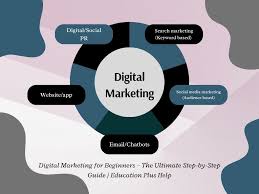
Many people think digital marketing is just posting on Facebook or Instagram. While social media is a big part of it, digital marketing is much broader. It also includes search engine optimization (SEO), email marketing, content marketing, paid advertising (like Google Ads), and website analytics.
A good digital marketing strategy uses multiple channels to reach customers effectively.
Myth 2: You Need a Marketing Degree to Succeed
While a marketing degree can be helpful, it’s not always required. Many successful digital marketers have degrees in other fields or are self-taught. Practical experience, a strong portfolio, and relevant certifications are often more valuable than a specific degree.
Companies are looking for skills and results.
Myth 3: Digital Marketing Jobs Are All Entry-Level
Digital marketing has many advanced roles, such as Digital Marketing Director, Head of SEO, or Analytics Manager. These positions require years of experience and specialized knowledge. The field offers career growth opportunities for those who continue to learn and develop their skills.
Myth 4: You Need to Be a Tech Genius
While some technical understanding is needed, you don’t need to be a computer programmer. Most digital marketing roles involve using specific marketing software and platforms. These tools are designed to be user-friendly, and training is often provided or can be acquired through online resources.
Frequently Asked Questions
Question: What is the primary goal of a digital marketing job description
Answer: The primary goal is to clearly define the responsibilities, qualifications, and expectations for a specific digital marketing role to attract suitable candidates and ensure a successful hire.
Question: How can I show I have the skills if I lack direct experience
Answer: You can showcase transferable skills from other experiences, complete online courses and gain certifications, and create personal projects to build a portfolio.
Question: What does “SEO” stand for and what does an SEO specialist do
Answer: SEO stands for Search Engine Optimization. An SEO specialist works to improve a website’s visibility in search engine results pages to drive organic traffic.
Question: Is it important to understand analytics for a digital marketing job
Answer: Yes, understanding analytics is crucial because digital marketing relies on data to measure performance, make informed decisions, and optimize strategies for better results.
Question: Can I apply for a digital marketing job without knowing all the terms
Answer: Yes, many employers are willing to train candidates on specific terms or tools if they demonstrate strong foundational skills, a willingness to learn, and a good attitude.
Conclusion
Understanding a digital marketing job description becomes much easier when you know the key components and common roles. Focus on identifying your transferable skills and showing how they align with what employers seek. Highlight your achievements with numbers and learn to tailor your application materials.
This approach will help you stand out and land the digital marketing role you want.

Related Posts
Digital Marketing Minneapolis Taichetan LLC Explained

Simple Digital Marketing Learning Guide