Understanding Digital Marketing Meaning Now
Many people find the digital marketing meaning a bit tricky at first. It seems like a big topic with lots of buzzwords. But really, it’s just about using the internet to connect with customers.
This post will break it down simply. We’ll go step-by-step so you can get a clear picture. Get ready to learn what digital marketing is all about.
Key Takeaways
- Digital marketing uses online tools to reach people.
- It helps businesses grow by finding new customers.
- Different types of digital marketing exist for various goals.
- Tracking results helps businesses improve their efforts.
- It’s about building relationships with customers online.
- Anyone can learn the basics of digital marketing.
What Is Digital Marketing
Digital marketing is simply the practice of promoting products or services using online channels. Think of it as advertising but done on the internet. Instead of TV commercials or newspaper ads, businesses use websites, social media, email, and search engines.
The main goal is to connect with potential customers where they spend their time online. This helps businesses grow their customer base and sell more.
It’s a broad field, covering many different ways companies can get their message out. This includes everything from simple social media posts to complex online advertising campaigns. The internet offers a vast space for businesses to showcase what they offer.
Understanding the digital marketing meaning is the first step to using these tools effectively.
Why Digital Marketing Matters
In today’s world, most people are online. They search for products, compare prices, and read reviews before they buy. If a business isn’t online, it’s missing out on a huge number of potential customers.
Digital marketing helps businesses be found by people who are already looking for what they offer. It’s a very direct way to reach people who are interested.
This method also allows businesses to talk directly with their customers. They can answer questions, get feedback, and build loyalty. It’s not just about selling; it’s about building relationships.
This makes customers more likely to choose that business again and again.
The Core Idea Of Digital Marketing
At its heart, digital marketing is about communication. It’s about sending the right message to the right person at the right time, all through digital channels. This means a business needs to know who its customers are.
It also needs to know what those customers are looking for. Then, it can use digital tools to deliver that message effectively.
For example, if a small bakery wants more local customers, they might use social media to share pictures of their fresh bread. They might also use local search ads so people searching for “bakery near me” can find them easily. The digital marketing meaning focuses on making these connections happen online.
Channels Used In Digital Marketing
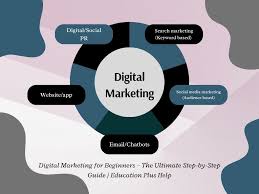
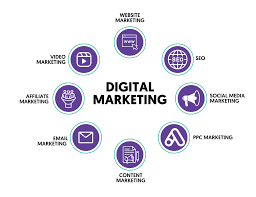
Digital marketing uses many different tools and platforms to reach people. Each channel has its own strengths and ways of connecting with an audience. Businesses often use a mix of these channels to get the best results.
Learning about these channels helps make the digital marketing meaning clearer.
Search Engine Optimization SEO
Search Engine Optimization, or SEO, is all about making a website rank higher on search engines like Google. When people search for something, like “best running shoes,” they usually click on the results that appear first. SEO helps a website get noticed by search engines and appear near the top of these search results.
This is done by using the right words, making the website easy to use, and having other reputable websites link to it.
Key elements of SEO:
- Keyword Research: Finding the words people use to search for things.
- On-Page Optimization: Making website content and structure search-engine friendly.
- Off-Page Optimization: Building links from other websites to yours.
- Technical SEO: Ensuring the website is fast, mobile-friendly, and crawlable by search engines.
Explanation of Keyword Research: Finding the right keywords is like finding the perfect bait for fishing. You want to use the words your potential customers are actually typing into search engines. For instance, a local plumber might discover that people search for “emergency plumber ” or “drain cleaning service.” By including these phrases on their website and in their content, they increase their chances of appearing when someone needs their service right away.
Tools exist to help businesses identify popular and relevant search terms, ensuring their online content speaks directly to what people are looking for.
Explanation of On-Page Optimization: This part involves making the content on your website as relevant and user-friendly as possible for both visitors and search engines. It means writing clear titles and descriptions that include your main keywords. It also means organizing your content with headings and using images that are relevant.
Search engines look at these elements to decide what your page is about and how valuable it is to users. A well-optimized page makes it easier for search engines to understand and rank your content.
Content Marketing
Content marketing involves creating and sharing valuable, relevant, and consistent content. This content can be blog posts, videos, infographics, or podcasts. The aim is not to directly sell something but to attract and retain a clearly defined audience.
By providing useful information, businesses build trust and authority. This encourages people to eventually buy from them.
Types of content:
- Blog Posts: Articles that share knowledge or insights.
- Videos: Visual content that can explain products or share stories.
- Infographics: Visual representations of data or information.
- Ebooks and Guides: Detailed resources that offer in-depth information.
Explanation of Blog Posts: Blog posts are a great way for businesses to share their expertise. For example, a company selling gardening tools could write blog posts about “how to grow tomatoes” or “best plants for shady gardens.” These posts attract people interested in gardening. As these readers engage with the helpful content, they begin to see the company as a knowledgeable source.
This can lead them to explore the gardening tools the company offers when they are ready to buy.
A study showed that companies that blog regularly get significantly more website traffic. Businesses that actively blog and share content can see a 55% increase in website visitors compared to those who don’t. This shows how valuable creating and sharing useful information can be for attracting an audience online.
Social Media Marketing
Social media marketing uses platforms like Facebook, Instagram, Twitter, and LinkedIn to connect with audiences. Businesses can share updates, run ads, and interact directly with their followers. It’s a powerful way to build a brand’s personality and engage with customers.
It can also drive traffic to a website and increase sales.
Benefits of social media marketing:
- Increased Brand Awareness: Reaching a wider audience.
- Direct Customer Engagement: Building relationships and getting feedback.
- Website Traffic: Driving visitors from social media to a business’s site.
- Lead Generation: Finding potential new customers.
Explanation of Increased Brand Awareness: When a business regularly posts interesting content on social media, more people see its name and logo. This makes the brand more recognizable. For example, a new coffee shop could post daily photos of their latte art and happy customers.
Over time, people in the local area will start to recognize the coffee shop’s brand, even if they haven’t visited yet. This increased visibility is a key part of building a successful business online.
Consider a small clothing boutique that uses Instagram to showcase new arrivals. They use popular hashtags and engage with followers by running polls about fashion trends. This strategy helps them reach thousands of potential customers who are interested in their style, significantly boosting their brand’s visibility beyond their local store.
Email Marketing
Email marketing involves sending promotional messages to a list of subscribers. These subscribers have typically opted in to receive emails from the business. It’s a direct way to communicate with interested individuals.
Businesses can share updates, announce sales, or send newsletters. It’s a cost-effective way to nurture customer relationships and drive repeat business.
Best practices for email marketing:
- Build a Quality List: Get permission before sending emails.
- Segment Your Audience: Send targeted messages to specific groups.
- Personalize Emails: Use subscriber names and relevant content.
- Track Results: Monitor open rates and click-through rates.
Explanation of Segment Your Audience: Imagine sending the same email about men’s shoes to everyone on your list. Some subscribers might be women who aren’t interested. However, if you segment your list based on past purchases or stated interests, you can send a woman an email about new women’s shoe arrivals.
This makes the email much more relevant and likely to be opened and acted upon. It shows you understand their needs and preferences, leading to better engagement.
A popular online bookstore segments its email list. They send emails about new fantasy novels to readers who have previously bought fantasy books. They send emails about history books to those who prefer non-fiction.
This targeted approach results in higher open rates, as subscribers receive content they are genuinely interested in.
Pay-Per-Click PPC Advertising
Pay-Per-Click advertising means businesses pay a fee each time one of their ads is clicked. Search engines like Google offer PPC advertising. Businesses bid on keywords relevant to their products or services.
When a user searches for that keyword, the business’s ad may appear. If the user clicks the ad, the business pays a small fee. This is a quick way to get traffic to a website.
How PPC works:
- Keyword Bidding: Businesses bid on search terms.
- Ad Creation: Designing compelling ads.
- Targeting: Defining who sees the ads.
- Budget Management: Setting daily or campaign spending limits.
Explanation of Keyword Bidding: When a business wants its ad to show up for a certain search term, it places a “bid” on that keyword. The higher the bid, the more likely the ad is to be shown. For example, a company selling high-end cameras might bid more on “professional DSLR camera” than on “cheap digital camera,” as the former likely represents a more valuable customer.
This system helps ensure that advertisers are willing to pay for clicks that are most likely to lead to a sale.
A local restaurant runs a Google Ads campaign for “pizza delivery .” They set a maximum bid of $2 per click. When someone in their city searches for pizza delivery, their ad might appear at the top. If ten people click the ad, the restaurant pays $20.
This direct approach brings hungry customers right to their online menu.
Understanding The Digital Marketing Meaning For Different Goals
The broad digital marketing meaning can seem overwhelming, but it becomes clearer when you look at specific goals. Different businesses have different aims, and digital marketing offers ways to achieve them. Whether a company wants more sales, better brand recognition, or to gather customer feedback, there’s a digital strategy for it.
Brand Awareness Campaigns
Brand awareness is about making sure people know a business exists and what it stands for. Digital marketing can achieve this by reaching a large audience with engaging content. Social media campaigns, display ads on websites, and creating shareable content are key here.
The goal isn’t always immediate sales, but to build familiarity and positive associations with the brand.
Objectives of brand awareness campaigns:
- Increase the number of people who recognize the brand name.
- Build a positive perception of the brand.
- Make the brand memorable for future purchases.
Explanation of Making the Brand Memorable: This involves creating consistent visual elements and messaging across all digital platforms. Think of the distinctive red and white of Coca-Cola or the golden arches of McDonald’s. These brands are instantly recognizable because of their consistent visual identity.
In digital marketing, this translates to using the same logo, colors, and tone of voice on a website, social media posts, and ads. Over time, this repetition helps embed the brand in consumers’ minds, making it a go-to choice when they need a related product or service.
A new craft brewery might run a series of visually appealing ads on Instagram showcasing their unique beer labels and brewery atmosphere. They might partner with local food bloggers to feature their beers, reaching new local audiences. Even if these people don’t buy a beer immediately, they’ll remember the brewery’s name and unique branding when they’re looking for a place to go or a beer to try.
Lead Generation
Lead generation focuses on finding potential customers and getting their contact information. This is crucial for businesses that sell higher-priced items or services where the sales process takes time. Digital marketing tactics like offering free guides in exchange for an email address or running contests are common.
Once a “lead” is captured, the business can follow up to move them closer to a purchase.
Methods for lead generation:
- Website Contact Forms: Simple forms for inquiries.
- Downloadable Resources: Offering valuable content for contact details.
- Webinars and Online Events: Engaging potential customers live.
- Social Media Lead Ads: Ads that collect leads directly on the platform.
Explanation of Downloadable Resources: Companies often create helpful resources like ebooks, checklists, or templates that relate to their industry. For instance, a financial advisor might offer a free “Retirement Planning Checklist.” To download this checklist, a visitor must provide their name and email address. This visitor then becomes a “lead” – someone who has shown interest and provided contact details.
The financial advisor can then use this information to send further helpful content or reach out personally to discuss their services.
A software company develops a guide called “5 Ways to Improve Team Productivity.” They promote this guide through social media ads. Interested professionals click the ad, are directed to a landing page, and provide their email to download the PDF. The software company now has a list of potential clients who are interested in productivity solutions.
Sales Conversion
Sales conversion is about turning interested prospects into paying customers. This is where the “closing the deal” happens online. Tactics include creating persuasive product pages, offering special discounts for first-time buyers, and simplifying the checkout process.
Retargeting ads, which show ads to people who have previously visited a website, are also very effective here. The key is to make the purchase as easy and appealing as possible.
Strategies for sales conversion:
- Optimized Landing Pages: Pages designed to encourage a specific action.
- Clear Call-to-Actions CTAs: Telling people exactly what to do next.
- Limited-Time Offers: Creating urgency to buy now.
- Customer Testimonials: Building trust with social proof.
Explanation of Clear Call-to-Actions CTAs: A Call-to-Action, or CTA, is a prompt that tells someone what to do. Examples include “Buy Now,” “Sign Up Today,” or “Add to Cart.” On a product page, a prominent “Add to Cart” button is a vital CTA. Without it, customers might not know how to proceed with their purchase.
Effective CTAs are usually visible, use action-oriented language, and create a sense of immediate benefit or opportunity.
An online clothing store has a product page for a popular jacket. The page features high-quality photos, a detailed description, and customer reviews. The most important element is a large, brightly colored “Add to Cart” button.
Below that, a smaller CTA might say “Shop More Jackets.” This clear guidance ensures that interested shoppers can easily take the next step towards purchasing.
Customer Retention And Loyalty
Keeping existing customers happy is often more cost-effective than finding new ones. Digital marketing plays a role here too. Email marketing, loyalty programs, and excellent customer service via social media or chat bots help build loyalty.
Businesses can offer exclusive deals to existing customers or provide helpful content that keeps them engaged with the brand.
Ways to build customer loyalty:
- Exclusive Discounts for Loyal Customers: Rewarding repeat business.
- Personalized Recommendations: Suggesting products based on past behavior.
- Exceptional Customer Support: Being available and helpful online.
- Community Building: Creating a space for customers to connect.
Explanation of Personalized Recommendations: When a customer buys a book, a streaming service might recommend other books or movies they might like based on that purchase. This shows the customer that the service understands their tastes. Online retailers often show “Customers who bought this also bought.” sections.
This helps customers discover new products they might enjoy, increasing their engagement with the platform and encouraging further purchases, which strengthens their loyalty.
A coffee shop might send a personalized email to its regular customers on their birthday, offering a free coffee. They might also send occasional emails with recipes using their coffee beans. This makes the customers feel valued and encourages them to keep returning to the shop and buying their products.
Common Myths Debunked
Myth 1: Digital Marketing Is Only For Big Companies
This is not true at all. In fact, digital marketing can be a great equalizer for small businesses. With smart strategies and a small budget, even a solo entrepreneur can compete with larger companies online.
The cost-effectiveness of many digital channels means that smaller businesses can reach a targeted audience without needing massive advertising budgets like they would for traditional media.
Myth 2: You Need To Be A Tech Expert To Do Digital Marketing
While some advanced aspects require technical skills, the basics of digital marketing are very accessible. Many user-friendly tools and platforms are designed for people without deep technical knowledge. With a willingness to learn and the right resources, anyone can start implementing digital marketing strategies.
Online courses and tutorials make learning straightforward.
Myth 3: Digital Marketing Guarantees Overnight Success
Success in digital marketing takes time and consistent effort. It’s not a magic button that brings instant results. Building a strong online presence, gaining trust, and seeing significant growth often requires patience and ongoing adjustments to strategies.
While some campaigns can gain traction quickly, sustainable success is usually the result of a long-term commitment.
Myth 4: All Digital Marketing Is Expensive
While some forms of digital advertising, like PPC, can have costs associated with them, many effective digital marketing strategies are quite affordable or even free to start. For example, creating social media profiles, starting a blog, and basic SEO can be done with little to no financial investment. The key is to be smart about where you spend your time and any money you allocate.
Frequently Asked Questions
Question: What is the simplest way to explain digital marketing meaning
Answer: It’s using the internet to tell people about your products or services and get them to buy.
Question: Do I need a website to do digital marketing
Answer: While a website is very helpful, you can start with social media profiles or online marketplaces.
Question: How can I measure if my digital marketing is working
Answer: You can track website visits, social media engagement, and sales that come from your online efforts.
Question: Is social media the only part of digital marketing
Answer: No, social media is just one part. It also includes search engines, email, and websites.
Question: Can digital marketing help a local business
Answer: Yes, it’s great for local businesses to reach people in their area who are searching for services.
Final Thoughts
Digital marketing helps businesses connect with customers online. It uses tools like websites, social media, and search engines. The main idea is to make people aware of what a business offers and encourage them to buy.
By using different channels smartly, businesses can grow and build strong customer relationships. Start small and learn as you go.

Related Posts
Digital Marketing Minneapolis Taichetan LLC Explained
Simple Digital Marketing Learning Guide