Becoming a Digital Marketing Executive
Key Takeaways
- You will learn what a digital marketing executive does day-to-day.
- This post explains the skills needed for this role.
- You will find out how to get the right experience.
- We will discuss common challenges and how to overcome them.
- This guide provides tips for growing in your career.
What Does a Digital Marketing Executive Do
A digital marketing executive is a person who plans and runs online campaigns for businesses. They make sure a company’s message reaches the right people on the internet. This involves using many different online tools and platforms.
Think of them as the conductor of an online orchestra, making sure all the instruments play together perfectly to create a great song for the business. They work with teams to create ads, post on social media, and make websites better. It’s a busy job, but very rewarding.
Daily Tasks of a Digital Marketing Executive
A typical day for a digital marketing executive is packed with different activities. They might start by checking how recent ad campaigns are performing. This means looking at numbers to see if people are clicking on ads or buying things.
Then, they might meet with their team to brainstorm ideas for new campaigns. This could involve planning content for social media or writing new ad copy.
They also spend time analyzing data. This data tells them what is working well and what needs to change. For example, they might see that ads on one platform are doing better than on another.
They use this information to shift their budget. Other tasks include managing social media accounts, working on email marketing, and helping to improve the company’s website. They are always looking for ways to reach more customers online.
Key Responsibilities
The main job of a digital marketing executive is to increase a company’s online presence and sales. They are responsible for creating strategies that will help the business grow. This includes setting goals for campaigns, like getting more website visitors or more followers on social media.
They also manage marketing budgets, making sure money is spent wisely. A big part of their job is understanding the target audience. Who are they trying to reach?
What do these people like? They use this knowledge to create messages that will grab their attention. Measuring the success of campaigns is also key.
They need to report back on how much money was spent and what results were achieved. This helps the company know if their marketing efforts are paying off.
- Setting marketing goals: This involves deciding what the campaigns should achieve, such as increasing brand awareness or driving sales. Clear goals help measure success.
- Managing budgets: Digital marketing executives decide how much money to spend on different online ads and platforms. They ensure the money is used effectively to get the best results.
- Analyzing performance: They look at data from campaigns to see what is working. This helps them make smart changes to improve future efforts and get better outcomes for the business.
- Developing marketing strategies: They create plans for how to use different online channels to reach customers. This includes social media, search engines, and email.
Tools Used by Digital Marketing Executives
Digital marketing executives use a variety of tools to do their job effectively. These tools help them plan, create, manage, and analyze their campaigns. Some of the most common tools include those for managing social media posts.
Platforms like Hootsuite or Buffer allow them to schedule posts in advance across different social networks. This saves time and ensures a consistent presence online.
Another important set of tools are for advertising. Google Ads is a major one. It lets executives create ads that appear when people search for certain keywords.
They can also use Facebook Ads Manager for running ads on Facebook and Instagram. These tools offer detailed targeting options to reach specific groups of people.
Email marketing platforms like Mailchimp or Constant Contact are also essential. They help send out newsletters and promotional emails to customers. These platforms track who opens emails and clicks on links.
Finally, website analytics tools are vital. Google Analytics is the most popular. It shows how many people visit a website, where they come from, and what they do once they are there.
All these tools work together to give a complete picture of online marketing efforts.
Essential Skills for a Digital Marketing Executive
To succeed as a digital marketing executive, you need a mix of creative and analytical skills. You must be good at thinking up new ideas for campaigns. This means being able to craft engaging content, write catchy ad slogans, and design visually appealing posts.
Creativity helps capture people’s attention in a crowded online space.
At the same time, you need to be comfortable with numbers and data. Digital marketing is very data-driven. You need to understand website traffic, ad performance metrics, and conversion rates.
Being able to interpret this data helps you understand what’s working and what’s not. This analytical approach allows you to make smart decisions and improve campaign results over time.
Marketing Strategy and Planning
A core skill is the ability to create marketing plans. This means looking at a business’s goals and figuring out the best way to achieve them online. It involves research into competitors and target audiences.
A good strategy will outline which digital channels to use, what kind of content to create, and how to measure success.
For example, a company selling handmade jewelry might create a strategy focused on visually appealing platforms like Instagram and Pinterest. They would plan to use high-quality photos and short videos. They might also run targeted ads to people interested in fashion and crafts.
This plan would also include how to track sales coming from these efforts. Without a solid plan, marketing efforts can become scattered and ineffective.
Data Analysis and Interpretation
Understanding data is crucial for a digital marketing executive. They need to look at numbers from different marketing activities and figure out what they mean. This includes things like website traffic, click-through rates on ads, and how many people complete a desired action, like making a purchase.
For instance, if an executive sees that a Facebook ad campaign has a high click-through rate but a low conversion rate, it means people are interested enough to click but not buying. This suggests there might be a problem with the landing page or the offer itself. The executive would then analyze the landing page’s performance to find the issue.
They might suggest changes to the page or adjust the ad’s targeting. This constant analysis helps refine campaigns for better results.
Statistics show that businesses that use data to drive their marketing decisions often see better results. One report found that companies using data analytics are 23 times more likely to acquire customers. Another study showed that data-driven marketing can lead to a 20% increase in profitability.
Content Creation and Management
Creating compelling content is at the heart of digital marketing. A digital marketing executive needs to understand what kind of content will appeal to their audience. This could be blog posts, social media updates, videos, infographics, or email newsletters.
The content must be interesting, informative, and relevant.
They also manage how this content is published and distributed. This means scheduling social media posts, sending out email campaigns, and working with website content. For example, a fashion brand might create a series of blog posts about styling tips.
They would then promote these posts on social media and through their email list. They would also make sure the blog posts have good images and are easy to read. Managing content involves ensuring it’s consistent in tone and brand voice across all platforms.
Search Engine Optimization (SEO) and Search Engine Marketing (SEM)
SEO is about making a website rank higher in search engine results, like Google, without paying for ads. SEM includes SEO and also paid advertising on search engines. A digital marketing executive needs to understand how search engines work to get a website found.
This involves using the right keywords in website content and on product pages. It also means making sure the website is technically sound, loads quickly, and is easy for search engines to read. For SEM, it means setting up and managing paid ad campaigns, known as pay-per-click (PPC), on platforms like Google Ads.
For example, a local plumber might want to rank high for “emergency plumber near me.” They would ensure their website content includes these terms. They would also work on getting other local websites to link to theirs. For SEM, they would create Google Ads that appear when people search for those terms, ensuring their ad is relevant and has a clear call to action.
Social Media Marketing
Social media is a powerful tool for connecting with customers. Digital marketing executives plan and run campaigns on platforms like Facebook, Instagram, Twitter, and LinkedIn. This includes creating engaging posts, running targeted ads, and interacting with followers.
A successful social media strategy might involve posting a mix of content: product highlights, behind-the-scenes glimpses, customer testimonials, and helpful tips. They also need to monitor social media for mentions of their brand and respond to comments and messages. For instance, a restaurant might use Instagram to post mouth-watering pictures of their food, run contests for followers, and respond to reviews.
They would also use targeted ads to reach people in their local area who like dining out.
Email Marketing
Email marketing is a direct way to communicate with customers. Digital marketing executives use email to send promotions, newsletters, and updates. The goal is to build customer loyalty and drive sales.
This requires building an email list and segmenting it to send more relevant messages.
For example, an online clothing store might send out a weekly newsletter featuring new arrivals and special offers. They might also send targeted emails to customers who have previously purchased certain items, suggesting related products. They track open rates and click-through rates to see how well their emails are performing.
A well-crafted email can lead to significant sales.
How To Get Experience As a Digital Marketing Executive
Gaining experience for a digital marketing executive role often starts with smaller steps. Many people begin in entry-level positions like marketing assistant or social media coordinator. These roles provide hands-on experience with various digital marketing tasks.
They offer a chance to learn by doing and to see what aspects of marketing you enjoy most.
Internships are also a fantastic way to get your foot in the door. Companies often offer internships specifically for marketing students or recent graduates. These positions give you real-world exposure to campaign management, content creation, and data analysis.
You get to work alongside experienced professionals and learn from their expertise. It’s a practical way to build your resume and network within the industry.
Entry-Level Marketing Roles
Starting in an entry-level role is a common path. Positions like Marketing Assistant or Junior Digital Marketer can be great first steps. In these roles, you’ll likely support more senior team members.
This could mean helping to schedule social media posts, draft email content, or research keywords.
You’ll get to see how campaigns are planned and executed from the ground up. For instance, a Marketing Assistant might be tasked with gathering data on competitor social media activity. They might also help create simple graphics for posts or write basic ad copy.
These tasks, while seemingly small, build fundamental skills and offer a broad overview of digital marketing operations.
Internships and Volunteer Work
Internships are invaluable for gaining practical experience. Many companies offer paid or unpaid internships to students and recent graduates. These positions provide a hands-on learning environment.
You’ll work on actual projects, contribute to real campaigns, and learn from experienced professionals.
Volunteer work for non-profits or small businesses can also be a great way to build experience. You can offer your marketing skills to organizations that may not have a dedicated marketing budget. This allows you to build a portfolio of work and demonstrate your capabilities.
For example, you could help a local charity improve its social media presence or create email campaigns to attract donors.
Online Courses and Certifications
The digital landscape changes rapidly, so continuous learning is key. Taking online courses and earning certifications can significantly boost your knowledge and credibility. Many reputable platforms offer courses in specific areas of digital marketing.
Google offers free courses on Google Ads and Analytics, which are highly recognized in the industry. HubSpot Academy provides certifications in content marketing, social media, and email marketing. These courses often cover the latest trends and best practices.
Completing them shows potential employers that you are committed to learning and staying up-to-date.
Here are some popular platforms for online learning:
- Coursera
- edX
- Udemy
- LinkedIn Learning
- Google Digital Garage
These platforms offer a wide range of courses from beginner to advanced levels. They can help you acquire specific skills or get a general overview of digital marketing.
Building a Portfolio
A strong portfolio is essential to showcase your skills and experience. It should include examples of your work that demonstrate your abilities. This could be campaign case studies, social media content you’ve created, blog posts you’ve written, or results from SEO efforts.
If you don’t have professional experience yet, you can create your own projects. Start a blog and practice writing SEO-optimized content. Create sample social media campaigns for fictional brands.
Run small ad campaigns with a limited budget to learn how they work. A well-organized portfolio makes it easy for potential employers to see what you can do.
Networking
Building connections within the marketing industry is very important. Attend industry events, join online communities, and connect with professionals on LinkedIn. Networking can open doors to job opportunities and provide valuable insights.
Informational interviews are a great way to learn about different roles and companies. Reach out to digital marketing executives and ask if they would be willing to share their experiences. Most people are happy to talk about their careers.
These conversations can provide valuable advice and potential leads.
Common Challenges and How To Overcome Them
The digital marketing world is always changing. New platforms emerge, algorithms update, and consumer behaviors shift. This means digital marketing executives must be adaptable and willing to learn constantly.
Staying ahead of these changes can be a challenge, but it’s also what makes the field exciting.
One common challenge is measuring the true return on investment (ROI) for marketing campaigns. It can sometimes be difficult to directly link every marketing activity to a sale. This requires careful tracking and analysis of data.
Another hurdle is cutting through the noise online, as consumers are bombarded with messages daily.
Keeping Up With Algorithm Changes
Social media platforms and search engines frequently update their algorithms. These changes can affect how content is seen and how ads perform. What worked yesterday might not work today.
This requires continuous monitoring and adaptation of strategies.
For example, Facebook might change its algorithm to show more posts from friends and family, meaning business content gets less organic reach. A digital marketing executive must then adjust their strategy. This might involve increasing ad spend or focusing more on engaging content that encourages interaction.
Staying informed through industry blogs, webinars, and official platform updates is key.
Demonstrating ROI
Showing the value of marketing efforts can be challenging. Businesses want to see a clear return on their investment. This means proving that the money spent on marketing is generating more revenue.
To overcome this, digital marketing executives must set clear, measurable goals for every campaign. They need to use tracking tools effectively to monitor key performance indicators (KPIs) like conversion rates, customer acquisition cost, and customer lifetime value. Presenting this data in clear reports that show the link between marketing spend and business growth is essential.
Here’s a simple example of calculating ROI for an ad campaign:
- Determine the total cost of the campaign.
- Calculate the total revenue generated directly from the campaign.
- Use the formula: (Revenue – Cost) / Cost * 100%.
If a campaign cost $1,000 and generated $3,000 in revenue, the ROI is ((3000 – 1000) / 1000) * 100% = 200%. This clear number demonstrates success.
Standing Out in a Crowded Market
The internet is a very busy place. Many businesses are competing for attention. It can be hard for a company’s message to be heard above all the other ads and content.
To stand out, a digital marketing executive must focus on creating unique and valuable content. This means understanding the target audience deeply and offering solutions to their problems. Strong branding and a consistent voice across all platforms also help.
Personalization in marketing messages can make a big difference. For example, an e-commerce site sending personalized product recommendations based on a customer’s past browsing history is more likely to get a click than a generic ad.
Budget Constraints
Many businesses, especially smaller ones, have limited marketing budgets. This means digital marketing executives need to be very smart about how they spend money. They must prioritize the most effective channels and tactics.
This requires careful planning and constant optimization of campaigns. Instead of trying to be everywhere, they might focus on one or two platforms where their target audience is most active. They also need to find cost-effective ways to reach people, like using organic social media or email marketing.
Negotiating good rates with advertising platforms is also important.
Career Growth and Future Trends
The field of digital marketing is constantly evolving, which means there are always new opportunities for growth. As businesses rely more on online strategies, the demand for skilled digital marketing executives will continue to rise. The role itself can expand into more specialized areas or move into leadership positions.
Future trends point towards a greater emphasis on data privacy, artificial intelligence (AI) in marketing, and personalized customer experiences. Marketers who can adapt to these changes and embrace new technologies will be well-positioned for success. The ability to understand customer behavior and build meaningful connections online will remain at the core of the role.
Advancing to Senior Roles
With experience, a digital marketing executive can move into more senior positions. This could involve becoming a Digital Marketing Manager, where they oversee a team of marketers and larger campaigns. Further progression might lead to Director of Marketing or even Chief Marketing Officer (CMO).
These roles involve more strategic decision-making, budget management, and leadership. They require a deeper understanding of business objectives and how marketing contributes to them. For example, a Marketing Manager might be responsible for setting the overall marketing goals for the company and ensuring all teams work together to achieve them.
Specializing in Niche Areas
Digital marketing is broad, offering many opportunities to specialize. Some executives might focus on performance marketing, optimizing ad campaigns for maximum return. Others may become experts in SEO, helping websites rank higher in search results.
Content marketing, social media strategy, email automation, and e-commerce marketing are other popular areas of specialization. Choosing a niche allows you to become a true expert in a specific domain. This can lead to higher demand and more rewarding career paths.
For example, a specialist in e-commerce marketing would focus on strategies for online stores, like optimizing product pages, managing customer reviews, and running targeted promotions.
Emerging Technologies in Marketing
Technology is rapidly changing how marketing is done. Artificial intelligence (AI) is becoming a major player, helping with tasks like personalizing content, automating customer service, and analyzing vast amounts of data.
Virtual reality (VR) and augmented reality (AR) are also starting to be used for more immersive marketing experiences. Think of virtual showrooms or trying on clothes virtually. Marketers who embrace and understand these emerging technologies will have a competitive edge.
For example, AI can help predict customer behavior, allowing marketers to offer them the right product at the right time through the right channel.
Focus on Data Privacy and Ethics
With increasing concerns about data privacy, marketing practices are becoming more transparent and ethical. Regulations like GDPR and CCPA are shaping how companies collect and use customer data. Digital marketing executives must be aware of these laws and ensure their practices are compliant.
Building trust with customers through honest and responsible data handling is becoming crucial. This means being clear about what data is collected and how it is used. It also means giving customers control over their information.
Ethical marketing practices not only comply with laws but also build stronger customer relationships.
Common Myths Debunked
Myth 1: Digital Marketing is Just for Big Companies
This is not true. While big companies have large budgets, digital marketing is incredibly valuable for small and medium-sized businesses too. Online platforms allow even small businesses to reach a global audience at a lower cost than traditional advertising.
For example, a local bakery can use social media to show off their cakes and run targeted ads to people in their town, effectively competing for local customers.
Myth 2: You Need a Marketing Degree to Be a Digital Marketing Executive
While a marketing degree can be helpful, it’s not always required. Many successful digital marketing executives have degrees in other fields or learned through hands-on experience, online courses, and certifications. What matters most are practical skills, a strategic mindset, and a passion for digital trends.
For instance, someone with a background in psychology might excel at understanding consumer behavior and crafting persuasive campaigns.
Myth 3: Digital Marketing is Only About Social Media
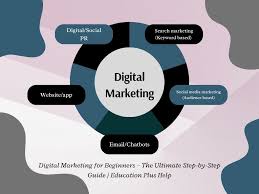
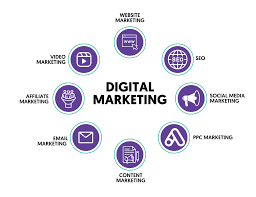
Social media is a significant part of digital marketing, but it’s not the only component. A comprehensive digital marketing strategy includes many other elements such as search engine optimization (SEO), search engine marketing (SEM) or paid ads, email marketing, content marketing, website design, and analytics. Relying solely on social media would miss out on reaching customers through other vital channels.
Myth 4: Digital Marketing Results Are Instant
While some paid ad campaigns can show results quickly, many digital marketing efforts, especially SEO and content marketing, take time to build momentum. Building authority in search engines or a loyal social media following doesn’t happen overnight. It requires consistent effort and patience to see significant, lasting results.
Frequently Asked Questions
Question: What is the primary goal of a digital marketing executive?
Answer: The primary goal is to increase a company’s online presence, attract more customers, and drive sales through effective digital strategies.
Question: Do I need to be good at writing to be a digital marketing executive?
Answer: Good writing skills are very helpful for creating ad copy, social media posts, and email campaigns, but it’s not the only skill required. Strong analytical and strategic thinking are also essential.
Question: How important are analytics in this role?
Answer: Analytics are extremely important. Digital marketing executives use data to understand campaign performance, identify what works, and make informed decisions to improve future efforts.
Question: What’s the difference between SEO and SEM?
Answer: SEO (Search Engine Optimization) is about improving a website’s ranking in search results organically (without paying). SEM (Search Engine Marketing) includes SEO and also paid advertising on search engines.
Question: Can a digital marketing executive work for any type of business?
Answer: Yes, almost any business that wants to reach customers online can benefit from a digital marketing executive. This includes small shops, large corporations, and non-profit organizations.
Conclusion
Becoming a digital marketing executive involves learning a mix of creative and analytical skills. You’ll plan strategies, create content, analyze data, and use various online tools. Starting with entry-level roles, internships, and continuous learning can build the experience you need.
Focus on developing strong skills in planning, data interpretation, content creation, SEO, and social media to succeed in this dynamic field.

Related Posts
Digital Marketing Minneapolis Taichetan LLC Explained

Simple Digital Marketing Learning Guide