Understanding Digital Marketing Channels
Trying to figure out how to reach people online can seem a bit much at first. There are so many ways to connect with customers on the internet, and it’s easy to feel lost. What are all these digital marketing channels, and how do you pick the right ones for your business?
Don’t worry, we’ll break it down simply. This guide will walk you through everything step by step. We’ll show you the different paths you can take to grow your business online.
Key Takeaways
- You will learn what digital marketing channels are.
- You will discover various popular digital marketing channels.
- You will see how to choose the best channels for your business.
- You will understand why using multiple channels is important.
- You will get tips on how to use these channels effectively.
What Are Digital Marketing Channels
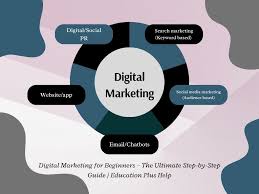
Digital marketing channels are the different ways businesses can reach customers on the internet. Think of them as pathways to connect with potential buyers. They include everything from social media to email to search engines.
Each channel has its own way of communicating and reaching different types of people. Choosing the right ones helps businesses get their message to the right audience.
Defining Digital Marketing Channels
A digital marketing channel is a platform or tool used to promote products or services online. This can be a website, an app, social media, email, search engines, or even online advertising spaces. The goal is to get your message in front of people who might be interested in what you offer.
They are the “where” of your online marketing efforts. Without them, your marketing messages have no place to go.
Online Advertising
Online advertising is when you pay to show ads to people on the internet. This can happen on websites, in apps, or on social media. It’s a way to quickly get your brand in front of a large audience.
You can target ads based on who people are, what they like, and what they do online. This helps you reach people who are more likely to be interested in your business.
- Pay-per-click (PPC) advertising is a common method. You pay only when someone clicks on your ad. This ensures you’re getting traffic to your site. Google Ads and social media ads often use this model.
- Display ads are banner ads you see on websites. They grab attention visually. These are good for brand awareness.
- Video ads are becoming very popular. They can be shown on platforms like YouTube or in social media feeds. Video is engaging and can tell a story quickly.
Search Engine Optimization SEO
Search engine optimization, or SEO, is about making your website show up higher in search engine results. When people search for things related to your business on Google or Bing, you want them to find you. This is done by making your website content helpful and easy for search engines to understand.
Good SEO brings free, organic traffic to your site over time.
- Keyword research is vital for SEO. You find out what words people are searching for. Then you use those words on your website.
- On-page optimization involves making your website content and structure search-engine friendly. This includes page titles, descriptions, and the quality of your content.
- Off-page optimization includes getting links from other reputable websites to yours. This tells search engines that your site is trustworthy and valuable.
Importance of Digital Marketing Channels
Using digital marketing channels is key for businesses today. Most people spend a lot of time online. They use the internet to research, shop, and connect.
If your business isn’t online, you’re missing out on a huge number of potential customers. Different channels allow you to reach people at different stages of their buying journey. Some channels are great for creating brand awareness, while others are better for driving sales.
- Reaching the right audience is easier with targeted channels. You can focus your efforts on the people most likely to buy from you.
- Building brand recognition happens when people see your brand on their favorite platforms. Consistent presence across channels makes your brand memorable.
- Driving traffic and sales are direct results of effective channel use. Well-chosen channels lead interested people straight to your offers.
- Measuring results is much simpler with digital tools. You can see exactly how well each channel is performing. This helps you spend your budget wisely.
Popular Digital Marketing Channels Explained
There are many ways to reach people online. Some are very popular because they work well for many businesses. Understanding these common methods will help you see where you can best connect with your audience.
We’ll look at some of the most effective and widely used digital marketing channels.
Social Media Marketing
Social media marketing involves using platforms like Facebook, Instagram, Twitter, LinkedIn, and TikTok to connect with your audience. It’s about building relationships and sharing valuable content. Businesses can post updates, run ads, and interact directly with followers.
This creates a community around your brand.
For example, a local bakery might use Instagram to post mouth-watering photos of their cakes and pastries. They can also run ads targeting people in their city. They might also use Facebook to announce daily specials or events.
- Engagement is key on social media. Businesses should respond to comments and messages quickly. This shows customers they are valued.
- Content variety is important. Mix posts with photos, videos, and text. Share behind-the-scenes glimpses or customer testimonials to build trust.
- Paid social media ads allow for precise targeting. You can define your audience by age, location, interests, and more. This makes your ad spend very efficient.
Content Marketing
Content marketing is about creating and sharing valuable, relevant, and consistent content to attract and retain a clearly defined audience. This content can be blog posts, videos, infographics, podcasts, or e-books. The goal is to educate, entertain, or solve problems for your audience.
This builds trust and positions your business as an expert.
A software company might create blog posts explaining how to use their product for different tasks. They might also create video tutorials or webinars. This helps potential customers learn about the software’s benefits and how it can solve their problems.
- Blogging is a cornerstone of content marketing. Regular blog posts can improve your website’s SEO and attract organic traffic.
- Video content is highly engaging. It can be used for product demos, explainer videos, or customer stories.
- E-books and whitepapers offer in-depth information. They are excellent for lead generation, requiring users to provide contact details to download.
Email Marketing
Email marketing is a direct way to communicate with your audience. You send messages, promotions, or newsletters to people who have given you their email address. It’s a powerful tool for nurturing leads and keeping existing customers engaged.
You can send personalized messages based on customer behavior or preferences.
An online clothing store might send emails to customers who abandoned their shopping carts. The email could remind them of the items they left behind and offer a small discount to complete the purchase. They might also send out a weekly newsletter with new arrivals and sales.
- Building an email list is the first step. Offer incentives like discounts or free guides for sign-ups.
- Segmentation makes emails more effective. Divide your list based on customer interests or purchase history. Send relevant content to each segment.
- Automation tools can save time. Set up welcome emails, birthday messages, or post-purchase follow-ups to go out automatically.
Influencer Marketing
Influencer marketing involves collaborating with individuals who have a significant following and influence over their audience. These influencers promote your products or services to their followers. This can be highly effective if the influencer’s audience matches your target market.
It leverages the trust influencers have built.
A fitness apparel brand might partner with a popular fitness influencer on Instagram. The influencer shares photos and videos of themselves wearing the brand’s clothing during workouts. They might also share a discount code with their followers.
- Identify influencers whose audience aligns with your target customers. Look at their engagement rates, not just follower counts.
- Authenticity is crucial. The influencer’s promotion should feel natural and genuine to their content style.
- Track the results of campaigns. Use unique discount codes or affiliate links to measure sales driven by influencers.
Affiliate Marketing
Affiliate marketing is a performance-based marketing strategy where a business rewards one or more affiliates for each visitor or customer brought by the affiliate’s own marketing efforts. Affiliates promote products using unique links. When a sale is made through their link, they earn a commission.
A travel blog might review different hotels and include affiliate links to booking sites. If a reader clicks the link and books a room, the blog owner earns a small commission. This is a way for the blog to make money while providing helpful information to readers.
- Set clear commission structures. Decide on a percentage or fixed fee for each sale or lead.
- Provide marketing materials to affiliates. Offer banners, product descriptions, or images they can use.
- Monitor affiliate performance regularly. Track sales, clicks, and conversions to ensure the program is profitable.
Choosing the Right Digital Marketing Channels
Not all marketing channels are a good fit for every business. The best approach is to understand your specific goals and your ideal customer. By doing this, you can select the channels that will give you the most impact.
It’s often better to do a few channels well than to try to be everywhere at once and not do anything effectively.
Understanding Your Target Audience
Knowing who you are trying to reach is the most important step. Where do they spend their time online? What kind of content do they consume?
What are their needs and problems that your product or service can solve? Answering these questions will point you toward the most effective channels.
For instance, if your target audience is teenagers interested in gaming, platforms like TikTok and Twitch would be very important. If you’re selling B2B software, LinkedIn and industry-specific forums would be more relevant.
- Create buyer personas. These are semi-fictional representations of your ideal customers. They include demographics, interests, and online behavior.
- Conduct market research. Look at what your competitors are doing. See which channels they are using successfully.
- Gather feedback from existing customers. Ask them how they found out about your business.
Aligning Channels With Business Goals
Your business objectives should guide your channel selection. Are you trying to increase brand awareness, drive website traffic, generate leads, or boost sales? Different channels excel at different goals.
For example, if your main goal is brand awareness, social media platforms with a broad reach might be a good choice. If your goal is to generate leads for a high-value service, content marketing and LinkedIn might be more suitable.
- Goal setting is crucial. Make your goals specific, measurable, achievable, relevant, and time-bound (SMART).
- Map channels to goals. For example, SEO and content marketing are good for long-term organic growth and lead generation. Paid advertising can drive quick traffic and sales.
- Review goals regularly. As your business grows, your objectives may change, requiring adjustments to your channel strategy.
Considering Your Budget and Resources
Your marketing budget and the resources you have available (time, staff, expertise) will heavily influence your choices. Some channels, like paid advertising, require a monetary investment. Others, like SEO and content marketing, require more time and expertise.
A small startup with a limited budget might focus on organic social media and content creation. A larger company with more resources could invest in a mix of paid ads, SEO, and influencer campaigns.
- Start small and scale up. Begin with channels that offer a good return on investment for your budget.
- Allocate resources wisely. If you have limited staff, prioritize channels that can be managed efficiently.
- Consider outsourcing. If you lack expertise in a particular area, hiring freelancers or agencies can be a good option.
Integrating Digital Marketing Channels
The most successful digital marketing strategies don’t rely on just one channel. They integrate multiple channels to create a cohesive experience for the customer. This means ensuring your message is consistent across all platforms and that your channels work together to guide customers through their buying process.
Creating a Unified Brand Message
Your brand voice and message should be consistent no matter where a customer encounters you online. This builds trust and makes your brand more recognizable. If your social media tone is very casual, but your website is very formal, it can confuse people.
A clothing brand that uses vibrant colors and playful language on Instagram should reflect that same energy in its email newsletters and website design. This consistency reinforces the brand identity in the customer’s mind.
- Define your brand voice and personality. Is it friendly, professional, humorous, or informative?
- Develop style guides for content creation. This ensures visual elements and language are consistent across all materials.
- Train your team on brand messaging. Everyone who communicates with customers should understand and embody the brand.
Cross-Promoting Channels
You can leverage one channel to drive traffic and engagement to another. For example, you can encourage your social media followers to sign up for your email list. You can also promote your latest blog post on your social media channels.
A company that publishes a detailed e-book can promote it through social media posts and targeted ads. They can also include a link to download the e-book in their email newsletters. This allows people to find the valuable content through different touchpoints.
- Use calls to action effectively. Tell people what you want them to do next, like “Sign up for our newsletter” or “Read our latest blog post.”
- Embed social media feeds on your website. This shows your social activity and encourages website visitors to follow you.
- Link your social media profiles on your website and in your email signatures. Make it easy for people to find you everywhere.
Tracking and Analyzing Performance
It’s essential to track how each channel is performing. Use analytics tools to measure metrics like website traffic, conversion rates, engagement, and return on investment (ROI). This data helps you understand what’s working and what’s not.
If you see that your social media ads are generating a lot of clicks but few sales, you might need to adjust your ad targeting or landing page. If your email marketing campaign has a high open rate but low click-through rate, you might need to work on your email content and calls to action.
For instance, a small e-commerce store might use Google Analytics to track sales originating from different social media platforms. They might find that Pinterest drives more direct sales than Facebook. This insight helps them allocate their advertising budget more effectively.
| Channel | Key Metrics | Tools |
|---|---|---|
| Social Media | Reach, Engagement Rate, Click-Through Rate, Conversions | Platform Analytics, Hootsuite, Buffer |
| SEO | Organic Traffic, Keyword Rankings, Bounce Rate, Conversion Rate | Google Analytics, Google Search Console, SEMrush |
| Email Marketing | Open Rate, Click-Through Rate, Conversion Rate, Unsubscribe Rate | Mailchimp, Constant Contact, HubSpot |
| Paid Advertising | Click-Through Rate, Cost Per Click, Conversion Rate, ROI | Google Ads, Facebook Ads Manager |
- Use analytics tools consistently. Regularly check your data to spot trends and opportunities.
- Set up conversion tracking. This allows you to see which channels are directly contributing to your business goals.
- A/B test different strategies. Try different ad creatives, email subject lines, or landing page designs to see which performs best.
Common Myths Debunked
Myth 1: You Need To Be On Every Digital Marketing Channel
It’s a common misconception that success in digital marketing means being present on every single platform. The reality is that trying to manage too many channels can spread your resources too thin. It’s far more effective to identify the channels where your target audience is most active and focus your efforts there.
Quality over quantity is key. A well-executed strategy on a few chosen channels will likely yield better results than a scattered approach across many.
Myth 2: Digital Marketing Is Too Expensive For Small Businesses
Many small business owners believe that digital marketing is out of their budget. While some strategies like extensive paid advertising campaigns can be costly, many digital marketing channels are very accessible and cost-effective. Organic social media marketing, SEO, and email marketing can be implemented with minimal financial investment, primarily requiring time and effort.
Affordable tools and platforms also exist to help manage these efforts.
Myth 3: Digital Marketing Is Just About Getting More Likes And Followers
While engagement metrics like likes and followers are indicators of reach, they are not the ultimate measure of success in digital marketing. The true goal is to drive business outcomes, such as leads, sales, or customer loyalty. Focusing solely on vanity metrics can distract from more important objectives.
It’s essential to connect your social media activity and other channel efforts to tangible business results.
Myth 4: SEO Is A One-Time Setup And Then It Works Automatically
Search Engine Optimization (SEO) is not a set-it-and-forget-it task. Search engines constantly update their algorithms, and competitors are always working to improve their rankings. Effective SEO requires ongoing effort, including content updates, technical maintenance, and adapting to new trends.
It’s a continuous process of refinement and optimization to maintain and improve search visibility over time.
Frequently Asked Questions
Question: What is the difference between digital marketing and traditional marketing?
Answer: Traditional marketing uses methods like TV, radio, and print ads. Digital marketing uses online platforms like social media, search engines, and email to reach audiences.
Question: How do I know which digital marketing channels are best for my business?
Answer: Consider your target audience’s online behavior, your business goals, and your budget. Researching where your ideal customers spend their time online is a great starting point.
Question: Is it okay to use only one digital marketing channel?
Answer: While possible, most businesses see better results by using a combination of channels. Different channels serve different purposes and reach different segments of your audience.
Question: How long does it take to see results from digital marketing channels?
Answer: It varies by channel. Paid advertising can show results quickly. SEO and content marketing take longer, often months, to build momentum but provide sustainable growth.
Question: What are LSI keywords in digital marketing?
Answer: LSI stands for Latent Semantic Indexing. These are related terms and concepts that search engines use to understand the context of your content. Using them helps improve your SEO by making your content more comprehensive and relevant.
Wrap Up
You have learned about various digital marketing channels and their importance. Understanding your audience and aligning channels with your goals is key. Integrating channels and tracking performance helps you succeed.
Start by focusing on a few channels that best fit your business and grow from there.

Related Posts
Digital Marketing Minneapolis Taichetan LLC Explained
Simple Digital Marketing Learning Guide