Your Digital Marketing Guide Made Easy
Getting started with digital marketing can seem tricky. There are so many different terms and tools to learn, it’s easy to feel lost. But don’t worry!
This is your clear and simple digital marketing guide. We’ll break it all down step-by-step so you can feel confident. Ready to learn how to reach more people online?
Let’s get started with the basics and build from there.
Key Takeaways
- You will learn the core elements of digital marketing.
- Discover how to choose the right online channels for your business.
- Understand basic strategies for attracting and engaging customers online.
- Learn how to measure your success and improve your efforts.
- Gain confidence in applying digital marketing techniques.
What is Digital Marketing
Digital marketing is how businesses promote products or services using the internet and other digital tools. This includes things like search engines, social media, email, and websites. It’s all about connecting with people where they spend their time online.
Think of it as advertising, but for the internet age. It helps businesses grow by finding new customers and keeping current ones happy.
Why Digital Marketing Matters
Today, most people use the internet for everything. They search for products, compare prices, and read reviews online. If your business isn’t online, you’re missing out on a huge number of potential customers.
Digital marketing lets you reach these people precisely. You can show ads to people who are already interested in what you offer. This makes your marketing money go further.
One big plus is that digital marketing is often more affordable than traditional advertising. You can start with a small budget and grow as you see results. It also lets you track exactly how well your ads are doing.
This means you can change things quickly if something isn’t working.
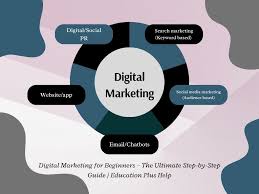
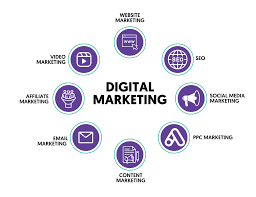
Common Digital Marketing Channels
There are many ways to do digital marketing. Some common ones include search engine optimization (SEO), which helps your website show up higher in search results. Social media marketing uses platforms like Facebook, Instagram, and TikTok to connect with people.
Email marketing is great for staying in touch with customers. Content marketing involves creating valuable articles, videos, or graphics to attract an audience.
Paid advertising, like Google Ads or social media ads, can also be very effective. These let you pay to get your message in front of specific groups of people. Choosing the right channels depends on who your customers are and what you are selling.
Building Your Online Presence
Your online presence is how people find and see your business on the internet. A good online presence starts with a professional website. It should be easy to use and tell people what you do.
Think of your website as your digital storefront. It needs to be welcoming and informative.
Search engine optimization (SEO) is super important for your website. It helps search engines like Google understand what your website is about. When people search for keywords related to your business, good SEO can help your site appear at the top of the search results.
This means more people will click on your link.
Search Engine Optimization Basics
Search engine optimization, or SEO, is the process of making your website more visible on search engines. This is done through two main parts: on-page SEO and off-page SEO. On-page SEO involves things you do directly on your website.
This includes using relevant keywords in your content, making sure your website loads quickly, and having clear titles for your pages.
Off-page SEO involves actions taken outside your website to improve its ranking. The most common off-page strategy is building backlinks. These are links from other websites to yours.
When reputable websites link to yours, it tells search engines that your site is trustworthy and valuable.
Let’s look at an example. If you own a bakery, you’d want your website to rank high when someone searches “best cakes in “. Using keywords like “chocolate cake,” “birthday cakes,” and ” bakery” on your website pages helps.
Getting local blogs or news sites to link to your bakery’s website also boosts your SEO.
Content Marketing Essentials
Content marketing is about creating and sharing useful, interesting content to attract and keep a clear audience. This content could be blog posts, videos, infographics, or podcasts. The goal is to provide value to your potential customers.
When you share helpful information, people start to see you as an expert. This builds trust.
For instance, a landscaping company might create blog posts about “how to care for your lawn in summer” or “best plants for shady gardens.” These posts attract people who are interested in gardening. If they like the advice, they might then consider hiring the company for their landscaping needs. This is a way to draw people in without directly selling to them at first.
Creating good content takes time. You need to know what your audience wants to know. Researching popular questions or topics in your industry can give you ideas.
The more helpful your content is, the more likely people are to share it and come back for more.
Engaging Your Audience Online
Once people find you online, you need to keep them interested. This is where engaging your audience comes in. Social media is a big part of this.
You can post updates, share interesting articles, and ask questions to get people talking. Responding to comments and messages quickly shows you care.
Email marketing is another powerful tool for engagement. You can send newsletters with special offers, updates, or helpful tips. Personalizing emails based on what you know about your subscribers can make them feel more valued.
The key is to provide value, not just sell all the time.
Social Media Strategies
Social media platforms are fantastic for direct interaction. You can share photos of your products, behind-the-scenes glimpses of your business, or customer testimonials. Running contests or polls can increase participation.
For example, a clothing store might post a photo of a new outfit and ask followers, “How would you style this?”
Using relevant hashtags helps people find your content. For a fitness trainer, hashtags like #workoutmotivation, #fitnesstips, or #healthyrecipes can reach a wider audience. Consistency is key; posting regularly keeps your followers engaged.
Analyze which types of posts get the most likes, shares, and comments to refine your strategy.
One study showed that businesses that actively engage with customers on social media experience higher customer loyalty. Around 70% of consumers feel more connected to brands that respond to them on social media. This shows how important that two-way conversation is.
Email Marketing Best Practices
Email marketing allows for direct communication with your customers. Start by building an email list through your website or social media. Offer something valuable in exchange for an email address, like a discount or a free guide.
Once you have a list, send out regular emails.
Segmentation is important. You can divide your email list into groups based on customer interests or past behavior. Sending targeted emails to these segments will lead to better results.
For instance, a bookstore could send emails about new fantasy novels only to customers who have bought fantasy books before.
Subject lines are very important. A good subject line makes people want to open your email. Keep it short, clear, and intriguing.
Avoid using all caps or too many exclamation marks, as this can make your email look like spam.
Measuring Your Digital Marketing Success
It’s vital to know if your digital marketing efforts are working. This is where tracking and analytics come in. You need to set clear goals for what you want to achieve.
Do you want more website visitors? More sales? More sign-ups?
Tools like Google Analytics can show you how many people visit your website, where they come from, and what they do once they arrive. This data helps you understand what’s working and what’s not. You can then make smart decisions to improve your campaigns.
Key Performance Indicators (KPIs)
Key Performance Indicators, or KPIs, are specific metrics you track to measure progress. For a website, KPIs might include website traffic, bounce rate (the percentage of visitors who leave after viewing only one page), and conversion rate (the percentage of visitors who take a desired action, like making a purchase).
For social media, KPIs could be engagement rate (likes, comments, shares per follower), reach (how many unique people saw your content), and follower growth. For email marketing, common KPIs include open rate (percentage of emails opened) and click-through rate (percentage of recipients who clicked a link in the email).
A small online shop selling handmade jewelry set a goal to increase sales by 15% in three months. They tracked their website’s conversion rate and the performance of their social media ads. They found that Instagram ads showing their jewelry being worn by influencers had a much higher conversion rate than static product images.
They shifted more of their budget to influencer collaborations.
Analyzing Your Results
Once you have data from your KPIs, you need to analyze it. Look for trends. Are your website visitors increasing each month?
Is your social media engagement going up? Are more people opening your emails?
If a campaign isn’t performing well, don’t be afraid to change it. Maybe your ad copy isn’t clear, or your landing page isn’t persuasive enough. Testing different versions of ads or web pages can help you find what works best.
This constant testing and refining is what makes digital marketing so effective.
For example, a software company noticed their blog posts about “troubleshooting common software errors” got a lot of traffic but very few sign-ups for their free trial. They changed the call-to-action at the end of these posts to offer a downloadable checklist of those troubleshooting steps, which required an email sign-up. This increased their leads by 25%.
Common Myths Debunked
Myth 1 Digital marketing is only for big companies
Reality This is not true at all. Digital marketing is incredibly effective for small businesses and even solopreneurs. You can start with a very small budget and focus on the channels that best suit your business.
Many small businesses thrive online by using targeted strategies.
Myth 2 You need to be a tech expert to do digital marketing
Reality While some technical skills can be helpful, many digital marketing tasks are designed to be user-friendly. Many platforms have built-in tools and guides. Learning the basics is achievable for anyone with dedication, and there are many resources available to help you.
Myth 3 Digital marketing is too expensive
Reality While paid advertising can cost money, many digital marketing strategies are very affordable or even free to start. Content marketing, basic SEO, and organic social media posting cost time and effort more than money. You can scale your spending as your business grows and your return on investment becomes clear.
Myth 4 It takes a very long time to see results
Reality While some strategies like SEO build over time, other digital marketing efforts can bring results relatively quickly. Paid advertising campaigns can generate traffic and leads within days. Consistent social media engagement and effective email marketing can also yield faster outcomes compared to traditional methods.
Frequently Asked Questions
Question: What is the most important part of digital marketing?
Answer: The most important part depends on your specific business goals, but generally, understanding your target audience and providing them with valuable content consistently is key.
Question: How often should I post on social media?
Answer: There’s no single answer, but consistency is more important than frequency. Aim for a schedule you can maintain, posting engaging content regularly rather than posting many times sporadically.
Question: Do I need a website to do digital marketing?
Answer: While not strictly mandatory for every single digital marketing activity, a website is highly recommended. It acts as your central hub and gives you complete control over your brand presence and customer experience.
Question: How can I measure the success of my SEO efforts?
Answer: You can measure SEO success by tracking your website’s search engine rankings for target keywords, organic traffic (visitors from search engines), and the conversion rate of those organic visitors.
Question: What is the difference between SEO and SEM?
Answer: SEO (Search Engine Optimization) is about improving your website’s visibility in organic search results without paying for placement. SEM (Search Engine Marketing) is a broader term that includes SEO and paid advertising, like pay-per-click (PPC) ads on search engines.
Conclusion
This guide breaks down digital marketing into simple, manageable steps. You now know the basics of building an online presence and engaging your audience. Start with one or two strategies that feel right for your business.
Track your progress and adjust as you learn. You have the tools to connect with your customers online effectively.

Related Posts
Digital Marketing Minneapolis Taichetan LLC Explained
Simple Digital Marketing Learning Guide