Entry Level Digital Marketing Jobs Guide
Getting your first job in digital marketing can feel tricky. Many people want to start in this field because it’s exciting and growing fast. It can seem hard to know where to begin or what skills really matter for digital marketing jobs entry level.
This guide will make it simple. We will walk you through everything you need to know, step by step. Get ready to learn what to do next.
Key Takeaways
- You will learn the basic job types available for beginners.
- Discover the essential skills employers look for in new hires.
- Understand how to build a strong resume and online presence.
- Find out where to look for entry level opportunities.
- Get tips on how to succeed in interviews and start your career.
What Are Digital Marketing Jobs Entry Level
Entry Level Digital Marketing Jobs Explained
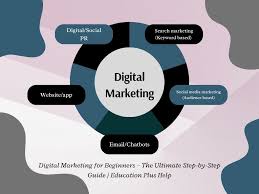
Digital marketing covers many areas. This includes social media, search engines, email, and content. Entry level positions are designed for people who are new to the field.
They provide a chance to learn and grow. These roles often involve supporting more experienced team members. You might help create social media posts, do keyword research, or send out email newsletters.
It’s about gaining practical experience.
Common Entry Level Roles
There are several common starting points for people new to digital marketing. These roles offer a good way to learn the ropes and see which parts of digital marketing interest you most. Each role focuses on a different aspect of online promotion.
- Social Media Assistant: This job involves helping manage a company’s social media accounts. You might schedule posts, respond to comments, and help track engagement. It’s a great way to learn about content creation and audience interaction.
- Marketing Assistant: A general marketing assistant role can expose you to many different tasks. You might help with email campaigns, website updates, event planning, and basic analytics. This role offers broad exposure.
- Content Creator Intern: If you enjoy writing or making videos, this is for you. You’ll help produce articles, blog posts, social media content, or short videos. This role builds creative and writing skills.
- SEO Junior Analyst: This position focuses on search engine optimization. You’ll learn how to make websites rank higher in search results. Tasks include keyword research and content optimization.
- Email Marketing Coordinator: Here, you’ll help manage email campaigns. This includes writing email copy, segmenting email lists, and tracking campaign performance. It’s about direct customer communication.
Skills Needed for Beginners
To get an entry level digital marketing job, you don’t need years of experience. However, some basic skills are very important. Employers want to see that you can learn and contribute.
Developing these skills will make you a much stronger candidate.
- Communication Skills: Being able to write clearly and speak effectively is key. You’ll need to write emails, social media updates, and potentially blog posts. Good verbal skills help in team meetings.
- Basic Computer Literacy: Familiarity with common software like Microsoft Office or Google Workspace is expected. Knowing how to use a computer for everyday tasks is a must.
- Eagerness to Learn: The digital marketing world changes quickly. Showing that you are excited to learn new things and adapt is very valuable. Employers love candidates who are curious.
- Creativity: Digital marketing often requires creative ideas for campaigns and content. Thinking outside the box can make a big difference.
- Analytical Thinking: Even at an entry level, you should be able to look at basic data. For example, seeing how many people liked a social media post. This helps in understanding what works.
Here is a look at how some skills are valued. A survey of hiring managers found that 85% prioritize strong communication skills for entry level roles. Another study showed that 70% of employers look for a candidate’s willingness to learn new digital tools.
Building Your Digital Marketing Foundation
Developing Essential Skills
You can learn and improve many digital marketing skills even before you get a job. There are many free and low-cost resources available online. These resources are perfect for building a solid foundation for your career.
- Online Courses: Platforms like Coursera, HubSpot Academy, and Google Digital Garage offer free courses. These cover topics from SEO to social media marketing. Completing these courses can provide certificates to show employers.
- Read Industry Blogs: Follow popular digital marketing blogs. Sites like Moz, Search Engine Journal, and Social Media Examiner share up-to-date information and tips. This keeps you informed about trends.
- Practice Projects: Create a personal blog, start a social media page for a hobby, or help a small local business with their online presence. Practical experience is highly valued. This lets you apply what you learn.
- Learn Basic Tools: Get familiar with common digital marketing tools. This includes Google Analytics for website data, Canva for graphic design, and social media scheduling tools.
Creating a Strong Resume
Your resume is your first chance to impress a potential employer. For entry level digital marketing jobs, it’s important to highlight transferable skills and any relevant experience, even if it’s from volunteer work or personal projects.
- Highlight Skills: List the digital marketing skills you have learned. Use keywords from job descriptions.
- Showcase Projects: Include any personal projects, volunteer work, or internships. Describe what you did and the results. For instance, “Managed social media for a local charity, increasing engagement by 20%.”
- Education and Certifications: List relevant degrees, diplomas, and any online course certificates you have earned.
- Keep it Concise: Aim for one page. Make it easy to read with clear headings and bullet points.
Crafting Your Online Presence
In digital marketing, your online presence matters. Employers often look at your social media profiles. Make sure your LinkedIn profile is up-to-date and professional.
Consider creating a simple website or portfolio to showcase your work.
- LinkedIn Profile: This is your professional online resume. Fill out all sections, add a professional photo, and connect with people in the industry.
- Portfolio Website: A personal website can display your writing samples, graphic designs, or successful projects. It shows initiative.
- Social Media Audit: Clean up your public social media profiles. Remove anything that could be seen as unprofessional.
Finding Digital Marketing Jobs Entry Level
Where to Look for Opportunities
Finding entry level digital marketing jobs requires a strategic approach. You need to know where to search and how to identify roles that are a good fit for beginners. The right platforms can make a big difference in your job search.
- Job Boards: General job boards like Indeed, LinkedIn Jobs, and Glassdoor are essential. Use specific search terms like “entry level digital marketing,” “junior digital marketer,” or “marketing assistant.”
- Company Websites: Many companies post openings directly on their careers pages. If you admire a particular company, check their site regularly.
- Niche Job Sites: Some websites focus on marketing roles. Examples include Marketing Hire or DMjobs. These can have specialized listings.
- Networking Events: Attend industry events, even if they are virtual. Meeting people in the field can lead to job leads and insights.
- University Career Services: If you are a recent graduate, your university’s career services can be a great resource for internships and entry level positions.
Understanding Job Descriptions
When you look at job postings, read them carefully. Entry level roles often have different names. Look for keywords that suggest a training or learning opportunity.
Pay attention to required skills versus preferred skills. Preferred skills are often areas where you can learn on the job.
For example, a job might ask for “experience with Google Analytics.” If you’ve completed a Google Analytics course and practiced on a demo account, you can list that. If it lists “5 years of experience with advanced SEO strategy,” that’s likely not an entry level role.
Internships and Volunteer Work
Internships are a fantastic way to get your foot in the door. They offer real-world experience and networking opportunities. Many internships lead to full-time job offers.
Volunteer work for non-profits or local organizations can also provide valuable experience and references.
A study by the National Association of Colleges and Employers found that 60% of interns receive job offers from their internship employers. This highlights the value of internship programs in launching careers.
Interview Tips for Entry Level Roles
Preparing for Your Interview
Interview preparation is key to success. For digital marketing jobs entry level, employers want to see your enthusiasm and potential. Think about how you can demonstrate your skills and your commitment to learning.
- Research the Company: Understand their business, their target audience, and their current marketing efforts. Look at their website and social media. This shows you are genuinely interested.
- Practice Common Questions: Be ready to answer questions like “Why do you want to work in digital marketing?” and “Tell me about a time you faced a challenge.” Prepare examples from your experience.
- Prepare Your Questions: Asking thoughtful questions shows your engagement. Ask about the team, the role’s responsibilities, and opportunities for growth.
- Know Your Resume: Be ready to discuss everything on your resume in detail.
Showcasing Your Potential
Since you might not have extensive professional experience, focus on showcasing your potential and transferable skills. Highlight projects, coursework, and any practical application of your knowledge. Emphasize your eagerness to learn and contribute.
For instance, if asked about a weakness, you could say, “I’m still learning advanced data analysis, but I’m actively taking online courses and practicing with Google Analytics to improve in this area.” This turns a potential negative into a positive.
Following Up After the Interview
A thank-you note or email after an interview is essential. It’s a chance to reiterate your interest and highlight something you discussed. Keep it brief, professional, and send it within 24 hours.
This small step can make a big impression.
Common Myths Debunked
Myth 1: You need a degree in marketing to get a job.
Reality: While a marketing degree can be helpful, it’s not always required. Many successful digital marketers come from different backgrounds. Skills, certifications, and practical experience are often more important for entry level positions.
Employers value demonstrated abilities and a willingness to learn.
Myth 2: Digital marketing jobs are all about social media.
Reality: Social media is just one part of digital marketing. The field includes many other areas like search engine optimization (SEO), content marketing, email marketing, pay-per-click advertising, and analytics. Entry level roles can be in any of these specializations.
Myth 3: You need to be a tech wizard to succeed.
Reality: You don’t need to be a computer programmer. Basic computer literacy and the ability to learn new digital tools are sufficient for most entry level roles. Many marketing tools are designed to be user-friendly.
Myth 4: Entry level jobs pay very little.
Reality: While entry level salaries are lower than senior positions, they can still be competitive. Many companies offer good starting salaries, especially for roles that require specialized skills or where there’s a clear path for advancement. Research typical salaries in your area.
Frequently Asked Questions
Question: What is the first step to getting an entry level digital marketing job?
Answer: The first step is to gain some basic knowledge and skills. You can do this through free online courses and by practicing with personal projects.
Question: Should I focus on one area of digital marketing or learn broadly?
Answer: For entry level roles, it’s good to have a broad understanding. However, developing a stronger skill in one or two areas, like content writing or social media, can help you stand out.
Question: How long does it typically take to get an entry level digital marketing job?
Answer: The time varies greatly depending on your efforts, the job market, and your location. Some people find jobs within a few months of starting their search, while others may take longer.
Question: What are some good examples of personal projects for a digital marketing portfolio?
Answer: You could start a blog about a topic you love, create and manage a social media page for a hobby, or offer to help a small local business with their online promotion.
Question: Are certifications from online courses helpful for entry level jobs?
Answer: Yes, certifications from reputable platforms like Google and HubSpot can demonstrate your commitment and foundational knowledge to potential employers.
Final Thoughts
Finding your first role in digital marketing is achievable. Focus on building your skills with online resources. Create a strong resume that shows your potential.
Look for opportunities on job boards and company sites. Prepare well for interviews. Your entry level digital marketing jobs journey starts with taking these practical steps today.

Related Posts
Digital Marketing Minneapolis Taichetan LLC Explained

Simple Digital Marketing Learning Guide