Top Digital Marketing Techniques Explained Simply
Getting started with digital marketing can feel tricky. There are so many things to learn! But don’t worry, it’s not as hard as it looks.
This guide will show you simple ways to use digital marketing techniques. We’ll break it down step by step so you can feel confident. Get ready to learn easy methods that actually work.
Key Takeaways
- Learn basic digital marketing methods.
- Understand how to reach customers online.
- Discover simple tools to help your business grow.
- See how to measure your marketing success.
- Find ways to connect with your audience better.
Understanding Digital Marketing Techniques
Digital marketing is all about promoting your products or services using the internet and digital tools. Think of it as advertising, but online! It helps you connect with people who might be interested in what you offer.
Many businesses use these methods to grow. For beginners, it can seem like a lot of information at once. This section will help clear things up.
We will look at the main ways businesses get noticed online.
What is Digital Marketing?
Digital marketing is the act of promoting your brand and products using online channels. This includes everything from sending emails to running ads on social media. The goal is to reach your target audience where they spend their time online.
It’s a powerful way to build your business.
- It connects businesses with customers through online channels like websites, social media, and search engines.
- It helps businesses build their brand and increase sales by reaching more people.
- It offers ways to track what works and what doesn’t, so you can improve your efforts.
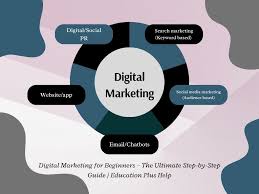
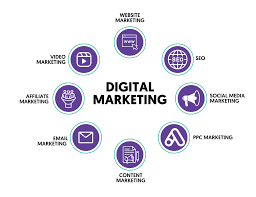
Digital marketing includes many different activities. Some of the most common are search engine optimization (SEO), content marketing, social media marketing, and email marketing. Each of these plays a role in attracting and keeping customers.
Why Digital Marketing Matters
In today’s world, most people use the internet every day. They search for products, connect with friends, and get news online. If your business isn’t online, you are missing out on many potential customers.
Digital marketing helps you be seen by these people. It lets you talk directly to them and show them why they should choose you.
For example, a local bakery can use social media to show pictures of their fresh cakes. They can also run a small ad to people in their town. This brings more customers to their shop.
It’s a much better way to reach people than just putting up a sign.
Statistics show that the number of internet users keeps growing. This means there are more opportunities for businesses to connect online.
| Area | Users (Approximate) |
|---|---|
| Global Internet Users | 5 Billion+ |
| Social Media Users | 4.9 Billion+ |
Search Engine Optimization SEO
Search Engine Optimization, or SEO, is a key part of digital marketing. It’s all about making your website show up higher in search results when people look for things online. When someone types “best pizza near me” into Google, you want your pizza place to be one of the first results they see.
SEO helps make that happen. It involves making your website easy for search engines to understand and showing them that your site has good, useful information.
Many businesses struggle with SEO because it can seem technical. But at its core, it’s about providing value to people searching for things. If you have a website about gardening, and you write helpful articles about planting flowers, search engines will see that as good content.
They will then show your site to people looking for gardening tips.
How Search Engines Work
Search engines like Google use programs called “crawlers” to find and read websites. These crawlers follow links from one page to another. They then store information about these pages in a huge index.
When someone searches, the search engine looks through its index to find the most relevant and helpful pages to show. It uses many factors to decide which pages are best, like the words on the page, how fast the page loads, and if other websites link to it.
Think of it like a giant library. The crawlers are like librarians who go out and collect all the books (websites). They organize them so that when you ask for a book on a certain topic, the librarian can quickly find the best ones for you.
On-Page SEO
On-page SEO refers to the work you do directly on your website to improve its search ranking. This includes things like using relevant keywords in your page titles and content. It also means writing clear, helpful descriptions for your pages.
Making sure your website is easy to read and use is also important.
- Keyword Research: This means finding out what words people actually type into search engines when they are looking for what you offer. For a dog groomer, keywords might be “dog grooming services,” “puppy bath,” or “pet spa.”
- Content Optimization: Once you know your keywords, you use them naturally in your website text. This helps search engines understand what your pages are about. You should also make sure your content is well-written and answers questions people might have.
- Page Titles and Meta Descriptions: These are the snippets that appear in search results. A good title and description will make people want to click on your link. They should clearly tell users what the page is about.
Off-Page SEO
Off-page SEO is about activities done outside your website to improve its ranking. The most common example is getting other websites to link to yours. These are called “backlinks.” Backlinks are like votes of confidence from other sites.
If a respected website links to your blog post about healthy recipes, it tells search engines that your recipe post is good.
Another part of off-page SEO is social media. While social shares don’t directly impact search rankings, they can drive traffic to your site. More traffic can lead to more backlinks.
Building your brand’s reputation online also helps.
- Link Building: This involves getting other websites to link to your content. You can do this by creating great content that others want to share. You can also reach out to relevant websites and ask them to consider linking to your useful resources.
- Brand Mentions: When your brand is mentioned online, even without a direct link, it can help. Search engines notice when your business is being talked about.
- Local SEO: For businesses with a physical location, like a restaurant or shop, local SEO is vital. This includes making sure your business information is correct on Google Maps and other local directories. It also involves getting reviews from customers.
Content Marketing
Content marketing is a way to attract and engage an audience by creating and sharing valuable, relevant, and consistent content. Instead of directly selling your products, you provide helpful information. This builds trust and shows people that you are an expert in your field.
When they are ready to buy, they will think of you first. This is a powerful strategy that many successful businesses use.
Think about a company that sells hiking gear. Instead of just showing boots and backpacks, they could write blog posts about “Best Hiking Trails in the Rockies” or “How to Pack for a Weekend Hike.” This kind of content attracts people interested in hiking. They are more likely to buy their gear from a company that clearly knows and loves hiking.
Types of Content
There are many forms of content you can create. The best type depends on your audience and what you want to achieve.
- Blog Posts: These are articles written on your website. They are great for sharing information, answering questions, and improving your SEO. A well-written blog post can attract many readers over time.
- Videos: Videos are very engaging. You can create tutorials, product demos, or behind-the-scenes looks at your business. YouTube is a huge platform for video marketing.
- Infographics: These are visual representations of data or information. They are easy to understand and share on social media.
- Ebooks and Guides: Longer pieces of content that offer in-depth information. They can be used to capture leads by asking for an email address in exchange for the download.
Creating Valuable Content
To be effective, your content needs to be useful and interesting to your audience. Start by thinking about what problems your potential customers have. How can you help them solve those problems?
For example, if you sell baby products, your audience might be new parents. They might have questions about sleep training, feeding, or baby safety. Creating content that answers these questions will be very valuable to them.
Here’s a simple process:
- Understand your audience: Who are they? What do they care about?
- Brainstorm topics: What questions do they ask? What information do they need?
- Choose a format: Will a blog post, video, or infographic work best?
- Create high-quality content: Make it accurate, engaging, and easy to understand.
- Promote your content: Share it on social media, via email, and through other channels.
Content Strategy Example
Let’s say a small online store sells handmade soaps. Their audience is people who care about natural products and self-care.
- Blog Post: “The Benefits of Natural Ingredients in Soap” – Explains why using natural ingredients is good for the skin.
- Video: “How Our Soaps Are Made by Hand” – Shows the process, highlighting the care and natural ingredients.
- Infographic: “5 Ways to Pamper Yourself This Weekend” – Includes using their soap as one idea.
This content attracts people interested in natural living and self-care. It educates them and builds trust in the brand’s quality.
Social Media Marketing
Social media marketing involves using platforms like Facebook, Instagram, Twitter, and LinkedIn to connect with your audience. It’s a place to build relationships, share updates, and promote your business. Many people spend hours each day on social media, making it a prime spot to find potential customers.
It allows for direct interaction, which can be very powerful for building a loyal customer base.
For many beginners, social media can seem overwhelming with so many platforms. However, you don’t need to be on every single one. The key is to choose the platforms where your target audience spends their time.
For example, if you sell art, Instagram and Pinterest might be great. If you sell business software, LinkedIn would be a better choice.
Choosing the Right Platforms
Different social media platforms attract different types of users and are used for different purposes. It’s important to pick the ones that best fit your business and your customers.
- Facebook: The largest social network. Good for reaching a wide audience, sharing updates, running ads, and building a community.
- Instagram: A visual platform. Great for businesses with products that look good, like fashion, food, or art. Focuses on photos and short videos.
- Twitter: Fast-paced and good for quick updates, news, and customer service. It’s text-heavy but also supports images and videos.
- LinkedIn: A professional networking site. Ideal for business-to-business (B2B) companies, recruiting, and sharing industry insights.
- TikTok: Known for short, creative videos. Popular with younger audiences and good for viral marketing.
Engaging Your Audience
Simply posting content isn’t enough. You need to interact with your followers. This means responding to comments and messages, asking questions, and running polls.
Engagement shows that you care about your audience and are listening.
For instance, if someone asks a question on your Facebook page, respond quickly and helpfully. If you post a question like “What’s your favorite way to relax?”, you encourage people to share their thoughts. This makes your page more lively and interesting.
Here are some tips for engagement:
- Respond promptly to comments and messages.
- Ask questions to encourage discussion.
- Run polls or quizzes related to your industry.
- Share user-generated content (with permission).
- Show the human side of your business.
Social Media Advertising
Most social media platforms offer advertising options. These ads allow you to reach a very specific audience based on their interests, location, age, and more. This can be a highly effective way to get your message in front of the right people.
For example, a local bookstore could run a Facebook ad targeting people in their city who have shown interest in books or reading. The ad could promote an upcoming author signing event. This helps attract people who are likely to attend.
Email Marketing
Email marketing is a direct way to communicate with your customers and potential customers. You send emails to people who have signed up to receive them from your business. This is a great way to share news, promotions, and valuable content.
It’s also very effective for building customer loyalty and driving sales because the people receiving your emails have already shown interest in your brand.
Many beginners find email marketing easy to start with. You don’t need to be a tech whiz. The main challenge is building a list of subscribers.
You can do this by offering something valuable in exchange for their email address, like a discount or a free guide.
Building Your Email List
The first step is getting people to give you their email addresses. You can do this by having a sign-up form on your website. Offering an incentive makes people more likely to sign up.
- Website Sign-up Forms: Place clear forms on your homepage, blog, and contact pages.
- Lead Magnets: Offer a free ebook, checklist, discount code, or webinar in exchange for an email address.
- Pop-ups: Use pop-up forms on your website, but be careful not to be too annoying.
- Contests and Giveaways: Collect emails as part of an entry process.
Types of Email Campaigns
There are several types of emails you can send. Each serves a different purpose.
- Welcome Emails: These are sent automatically when someone first subscribes. They welcome new subscribers and set expectations.
- Promotional Emails: Used to announce sales, new products, or special offers.
- Newsletters: Regular emails that share updates, blog posts, and helpful tips. They keep your audience engaged.
- Abandoned Cart Emails: For e-commerce businesses, these remind customers about items they left in their shopping cart.
Measuring Email Success
You can track how well your email campaigns are doing. This helps you improve them.
- Open Rate: The percentage of people who open your email.
- Click-Through Rate (CTR): The percentage of people who click on a link in your email.
- Conversion Rate: The percentage of people who complete a desired action (like making a purchase) after clicking a link.
A company selling online courses might send a newsletter with tips for learning new skills. They would track who clicks on links to their courses. If many people click and sign up, the email is successful.
Common Myths Debunked
Myth 1: Digital marketing is only for big companies
This is not true at all. Small businesses and even individuals can use digital marketing techniques very effectively. Simple strategies like social media posting or creating a basic website can make a big difference.
Many online tools are free or low-cost, making them accessible for anyone.
Myth 2: You need to be a tech expert to do digital marketing
While some advanced areas require technical skills, many digital marketing techniques are easy to learn. Platforms are designed to be user-friendly. There are also many tutorials and resources available to help beginners.
You can start with simple methods and learn more as you go.
Myth 3: Digital marketing is too expensive
While some forms of digital advertising can be costly, many effective strategies are very affordable or even free. Social media posting, basic SEO, and content creation can be done with little to no budget. You can set a budget for paid ads and start small, increasing it as you see results.
Myth 4: You have to be on every social media platform
It’s much better to focus your efforts on a few platforms where your target audience is most active. Trying to manage too many accounts can spread your resources too thin. Choose wisely and do a great job on those chosen platforms.
Frequently Asked Questions
Question: What is the main goal of digital marketing techniques
Answer: The main goal is to connect with customers online, build brand awareness, drive traffic to a website or store, and ultimately increase sales or leads.
Question: How can I start with SEO if I don’t know much about it
Answer: Begin by learning what keywords your potential customers use to search for products or services like yours. Then, use those keywords naturally on your website’s pages and in your content.
Question: Is it important to use visuals in social media marketing
Answer: Yes, visuals like images and videos are very important. They help grab attention and make your posts more engaging and shareable.
Question: How often should I send emails to my list
Answer: There’s no single answer, but a good starting point is once a week or every two weeks. The key is to provide value consistently without overwhelming your subscribers.
Question: What is a good way to measure the success of my content marketing
Answer: You can measure success by tracking website traffic to your content, how long people spend reading it, social shares, and if the content leads to inquiries or sales.
Summary
Mastering digital marketing techniques can boost your business. Focus on SEO to get found, create valuable content to attract people, use social media to connect, and build relationships with email marketing. Start small, learn as you go, and measure what works best for you.

Related Posts
Digital Marketing Minneapolis Taichetan LLC Explained
Simple Digital Marketing Learning Guide