Digital Marketing Explained For Beginners
Lots of people want to know about digital marketing. It can seem a bit confusing at first, with all the different terms and tools. But don’t worry, we’ll break down digital marketing explained into simple steps.
This guide will make it easy to grasp. Let’s look at what digital marketing is and how it works, so you can start using it effectively.
Key Takeaways
- Digital marketing uses online tools to reach customers.
- It includes many different strategies like SEO and social media.
- Businesses use it to build brands and sell products.
- Understanding these tools helps you connect with people online.
- It’s a powerful way to grow any business today.
What Is Digital Marketing Explained Simply
Digital marketing is all about promoting products or services using online channels. Think about all the ways you find information or see ads on the internet. That’s digital marketing at work.
It helps businesses connect with people who are looking for what they offer. It’s a broad field, but at its core, it’s about using technology to communicate and sell.
Businesses of all sizes use digital marketing to reach their customers. From big companies to small local shops, everyone can benefit. It’s much more flexible and often more affordable than traditional advertising like TV or newspaper ads.
This means more people can start a business and find customers online.
This section will cover the basic ideas behind digital marketing. We will look at why it’s so important and the main types of activities involved. You will learn how these pieces fit together to create a strong online presence for a business.
Core Concepts Of Digital Marketing
The main idea is to reach people online. This can happen when they are searching for something, browsing social media, or reading articles. Digital marketing aims to get your message in front of the right eyes at the right time.
It’s like putting up a sign where potential customers are already looking.
One key concept is understanding your audience. Who are you trying to reach? What do they like?
What problems do they need solved? When you know this, you can create messages that grab their attention. Digital marketing tools allow you to gather data about your audience to help you with this.
Another important idea is measurement. With digital marketing, you can track almost everything. You can see how many people saw your ad, clicked on it, or bought something.
This information is gold. It helps you see what’s working and what’s not, so you can improve your efforts.
Audience Targeting
Knowing your audience is super important. You wouldn’t advertise a toy for babies in a magazine for retired people, right? Digital marketing lets you be very specific.
You can target people based on their age, where they live, their interests, and even their past online behavior. This means your message gets to people who are more likely to be interested.
For example, a local bakery could target ads to people within a 5-mile radius who have shown interest in desserts or baking. This is much more efficient than putting up a billboard that everyone sees, whether they like cake or not.
This precise targeting helps businesses save money. They don’t waste money showing ads to people who won’t buy. It also makes ads more useful for the customer because they see things they might actually want.
Data And Analytics
Digital marketing is very data-driven. Tools like Google Analytics help businesses see how people interact with their website. You can see which pages people visit, how long they stay, and where they came from.
This data tells a story about your customers.
Imagine a company selling online courses. By looking at analytics, they might see that many people leave the checkout page without buying. This is a signal that something is wrong.
Maybe the payment process is too complicated, or shipping costs are too high. They can then fix the problem.
Statistics show that companies that use data effectively can see better results. For instance, a report by McKinsey found that data-driven organizations are 23 times more likely to acquire customers. This shows how powerful using data can be.
Key Digital Marketing Channels Explained
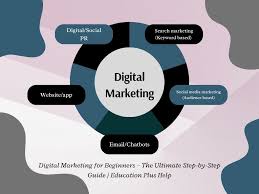
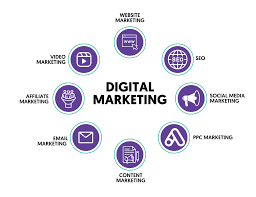
Digital marketing isn’t just one thing; it’s a mix of different methods. Each method helps a business connect with customers in a unique way. Think of them as different tools in a toolbox, and you use the right tool for the job.
We will explore the most common channels businesses use. This includes making websites easy to find, using social media, sending emails, and running ads. Understanding these channels is key to seeing how digital marketing works in practice.
Each channel has its own strengths and ways to reach people. By using a few of them together, businesses can create a strong and consistent message.
Search Engine Optimization SEO
Search Engine Optimization, or SEO, is about making your website show up higher in search results when people search on Google or other search engines. When someone searches for “best running shoes,” a good SEO strategy helps your shoe store’s website appear on the first page. This is very important because most people don’t look past the first page of search results.
SEO involves many things. You need to use the right words on your website that people are searching for. You also need to make sure your website loads fast and is easy for search engines to understand.
Building links from other reputable websites to yours also helps.
A website that ranks high in search results gets more visitors. More visitors mean more chances to turn them into customers. Companies invest a lot in SEO because it brings in people who are actively looking for what they sell.
On-Page SEO
On-page SEO refers to optimizing the content and HTML source code of a web page. This includes making sure your page titles and descriptions are clear and contain relevant keywords. It also means writing content that is helpful and answers questions people might have.
For example, if you have a blog post about “how to bake sourdough bread,” you would use that phrase in the title, headings, and throughout the text. You would also use related words like “sourdough starter,” “baking time,” and “recipe.”
Good on-page SEO makes it easier for search engines to understand what your page is about. This helps them decide where to rank it. It also makes the page more appealing to readers.
Off-Page SEO
Off-page SEO refers to actions taken outside of your own website to improve its search engine rankings. The most common form of off-page SEO is building backlinks. Backlinks are links from other websites to yours.
Search engines see these as votes of confidence.
If a popular news website links to your blog about a new product, that’s a strong signal to Google that your content is valuable. Other off-page tactics include social media marketing and influencer marketing.
Building a strong backlink profile takes time and effort. It often involves creating great content that other websites want to share. It’s like getting recommendations from many different people.
Content Marketing
Content marketing is all about creating and sharing valuable, relevant, and consistent content to attract and retain a clearly defined audience. Instead of directly selling, you provide useful information, entertainment, or solutions to your audience’s problems. This builds trust and positions your business as an expert.
Examples of content include blog posts, videos, infographics, podcasts, and ebooks. The goal is to engage people and keep them coming back. When people find your content helpful, they are more likely to consider buying from you when they are ready.
A company selling gardening supplies might create blog posts about “how to grow tomatoes” or videos on “pest control for your garden.” This attracts people interested in gardening, and they will remember the company when they need to buy seeds or tools.
Blogging For Business
Blogs are a fantastic tool for content marketing. They allow businesses to share their expertise regularly. A consistent blog can attract people searching for specific information.
It also helps keep your website fresh, which search engines like.
For instance, a software company could write blog posts explaining common tech issues their software solves. This helps users and attracts potential new customers facing those problems. Each blog post is an opportunity to rank in search results for different queries.
Statistics show that companies that blog regularly get more leads. Hubspot reported that companies with blogs get 126% more lead growth than companies without. This shows the power of consistent, valuable content.
Video Marketing
Video is a very engaging way to communicate. Short videos can explain products, demonstrate how to use them, share customer testimonials, or tell a company’s story. Platforms like YouTube and TikTok have made video marketing more accessible than ever.
A clothing brand might create short videos showing different ways to style a new dress. This helps potential customers visualize themselves wearing the item and makes it more appealing. It’s a visual experience that words alone can’t always provide.
The engagement rates for video are very high. People are more likely to watch a video all the way through than read a long article. This makes it a powerful tool for grabbing attention and conveying a message quickly.
Social Media Marketing
Social media marketing uses platforms like Facebook, Instagram, Twitter, and LinkedIn to connect with customers. It’s about building relationships, sharing updates, running ads, and driving traffic to your website. It’s where many people spend a lot of their time online.
Businesses can interact directly with their audience, answer questions, and get feedback. It’s a two-way conversation. Social media also allows for highly targeted advertising, similar to other digital channels.
For a restaurant, social media is perfect for sharing daily specials, showing off delicious food photos, and announcing events. This can bring people in the door. It’s about creating a community around your brand.
Platform Selection
Choosing the right social media platforms is key. Not all platforms are right for every business. You need to be where your target audience hangs out.
For example, a business selling professional services might focus on LinkedIn, where professionals network. A company selling visual products like fashion or art would likely thrive on Instagram and Pinterest. A brand targeting younger audiences might find TikTok or Snapchat more effective.
Understanding the demographics and usage habits of each platform helps businesses make smart choices. This ensures their efforts are focused on the most likely places to find customers.
Engagement Strategies
Simply posting content is not enough. You need to engage with your audience. This means responding to comments and messages, asking questions, and running polls or contests.
Engagement builds loyalty and makes your brand feel more human.
A travel agency might ask its followers, “What’s your dream vacation destination?” This encourages interaction and provides valuable insights into customer desires. They can then share content relevant to those destinations.
Consistent engagement can turn followers into brand advocates. These are people who will recommend your business to others. High engagement rates also often lead to better visibility on social media feeds.
Paid Advertising PPC
Paid advertising, often called Pay-Per-Click (PPC), involves paying to show your ads online. The most common type is search advertising, where you pay for your ad to appear at the top of search results. You pay each time someone clicks on your ad.
This is a fast way to get traffic to your website. Unlike SEO, which takes time, PPC can bring visitors immediately. It’s very measurable, and you can set strict budgets to control spending.
For example, if you run an online store and launch a new product, you can use PPC ads to quickly get people to see and buy it. You can target specific keywords that people use when looking for that product.
Google Ads
Google Ads is the most popular platform for search advertising. You bid on keywords, and when people search for those keywords, your ad may appear. If they click, you pay Google.
This is a powerful way to capture people who are actively searching for what you offer.
Let’s say you own a plumbing business. You would bid on keywords like “emergency plumber,” “leaky faucet repair,” or “drain cleaning.” Your ad would appear when someone searches for these terms, connecting you with someone needing your service right away.
Google Ads offers detailed targeting options. You can target by location, device, time of day, and more. This helps ensure your ad budget is spent wisely on the most promising customers.
Social Media Ads
Most social media platforms also offer advertising options. These ads can appear in users’ news feeds, stories, or other parts of the platform. They are often highly visual and can be very effective for brand awareness and direct sales.
Facebook and Instagram ads are popular. You can target users based on their interests, behaviors, demographics, and even people who have visited your website before. This allows for very specific campaigns.
A company selling handcrafted jewelry could run Instagram ads showing beautiful images of their necklaces and bracelets. They can target women aged 25-55 who have shown interest in fashion and jewelry. This direct targeting is very efficient.
Businesses see great results from social media ads. A study by Statista showed that advertising spending on social media worldwide reached over $200 billion in 2023. This shows how much businesses rely on these platforms.
Email Marketing
Email marketing is a way to communicate with your audience directly through email. You build a list of people who have given you permission to send them messages. This can be done through website sign-ups or by collecting emails at events.
Email is great for nurturing leads and keeping existing customers engaged. You can send newsletters, special offers, product updates, or personalized messages. It’s a direct line to people who have already shown interest in your brand.
For example, an online bookstore can send emails announcing new book releases, author interviews, or discounts to its subscribers. This encourages repeat purchases and builds customer loyalty.
Building An Email List
The foundation of email marketing is a quality email list. You need to offer something valuable in exchange for an email address. This could be a discount code, a free ebook, or exclusive content.
On your website, you can have a pop-up or a form that says, “Sign up for our newsletter and get 10% off your first order.” This incentivizes people to join your list. It’s important to only add people who have agreed to receive emails.
A well-built email list is a valuable asset. It allows you to reach people directly without relying on algorithms from social media or search engines.
Types Of Email Campaigns
There are many types of email campaigns. Welcome emails are sent to new subscribers. Promotional emails advertise sales or new products.
Newsletter emails provide regular updates and valuable content. Abandoned cart emails remind customers about items they left in their online shopping cart.
For instance, an e-commerce store might send an abandoned cart email with a subject line like “Did you forget something?” This can remind the customer and encourage them to complete their purchase. These targeted emails can be very effective.
Email marketing continues to be one of the most effective digital marketing channels. It offers a high return on investment. Companies can achieve significant revenue growth through well-planned email campaigns.
Common Myths Debunked
Myth 1 Digital marketing is only for big companies
This is not true at all. In fact, digital marketing is often more accessible and affordable for small businesses than traditional advertising. Small businesses can use social media, local SEO, and email marketing to reach customers effectively without huge budgets.
Myth 2 You need to be a tech expert to do digital marketing
While some aspects of digital marketing can be technical, many tools and platforms are designed to be user-friendly. There are many resources, like this guide, that explain digital marketing in simple terms. You can learn and grow your skills over time.
Myth 3 Digital marketing is too expensive
While some paid advertising can be costly, many digital marketing strategies are very affordable or even free. Organic social media, content creation, and basic SEO can be done with little to no budget. You can start small and scale up as your business grows.
Myth 4 It’s hard to measure the results of digital marketing
One of the biggest advantages of digital marketing is its measurability. Tools like Google Analytics and social media insights provide detailed data on performance. You can track website traffic, conversions, engagement, and more, making it easy to see what’s working.
Frequently Asked Questions
Question: What is the main goal of digital marketing
Answer: The main goal is to connect with potential customers online, build brand awareness, drive traffic to a website, and ultimately increase sales or leads.
Question: Is SEO important for digital marketing
Answer: Yes, SEO is very important. It helps your business get found by people actively searching for your products or services on search engines like Google.
Question: How often should I post on social media
Answer: The best posting frequency depends on the platform and your audience, but consistency is key. Aim for regular posts rather than occasional bursts.
Question: Can I do digital marketing myself
Answer: Yes, you can learn and implement many digital marketing strategies yourself, especially with the wealth of online resources available.
Question: What is a digital marketing funnel
Answer: A digital marketing funnel describes the stages a customer goes through from first hearing about your business to making a purchase.
Wrap Up
Digital marketing explained covers many ways to reach people online. It uses tools like SEO, social media, and email to connect with customers. Understanding these methods helps businesses grow.
You can start with simple steps and learn as you go. Focus on helping your audience, and you’ll see success.

Related Posts
Digital Marketing Minneapolis Taichetan LLC Explained
Simple Digital Marketing Learning Guide